
Reviewed · LANGTANG VALLEY TREK
Langtang Trek from Kathmandu 7 Days
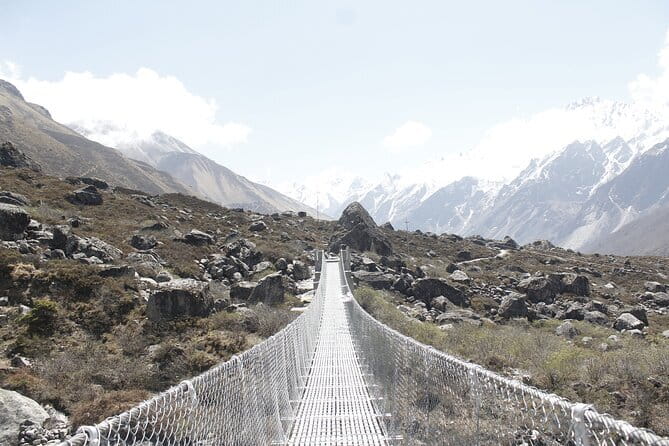
Langtang Valley has a way of feeling both close-up and huge. You walk from Kathmandu travel mode into real mountain time, through forests, villages, and up to viewpoint heights where the air gets sharp fast.
I like that this trek keeps things manageable for moderate trekkers, with steady daily hiking rather than death-march days. I also like the logistics support: hotel pickup and drop-off, trekking permits and TIMS card handled, an English speaking trekking guide, and lodge accommodation built in.
One consideration: you still reach serious altitude, including around 4,700 meters on the Kyajin Ri summit push, so you’ll want to go slow, drink water, and take the day’s pace seriously even if the route feels “easy access.”
Key things I’d watch before you book
- Moderate, steady hiking rather than a technical or extreme climb
- Permits and TIMS are included, but you must send passport details and a photo
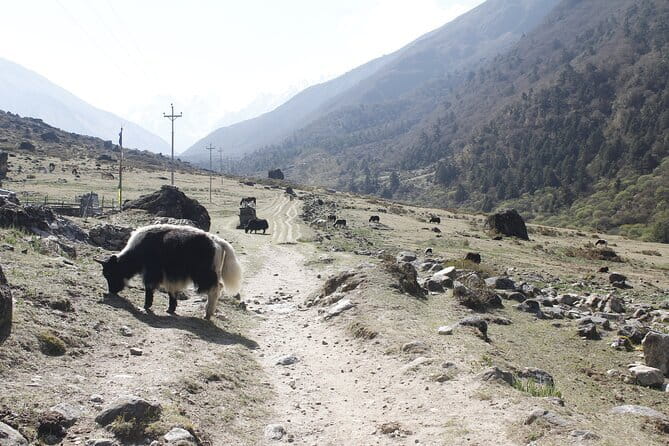
- Forest-to-village-to-monastery scenery, with Tamang and Sherpa community life along the trail
- Two major viewpoints: Kyanjin area and the Kyajin Ri summit at about 4,700m
- Private trip for your group, but transfers use a sharing local bus
- Lodge nights included, so you can pack with a trekking mindset, not a camping one
Why Langtang Valley feels like a smart Himalayan choice
If you’re choosing Langtang over the flashier, longer, or higher-profile Himalayan options, here’s the practical reason it makes sense. This route is known for being approachable. You get forests, rivers, and village days. You get that classic high-mountain drama too, without needing mountaineering skills.
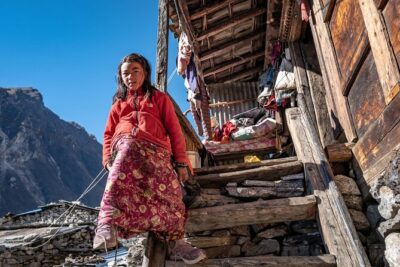
You’ll also notice the mix of cultures as you move. The trail runs through traditional Tamang and Sherpa villages. That matters because the walk isn’t just scenery, it’s people living alongside the mountain. You’ll see monastery life as well, including stops tied to Kyanjin Gompa.
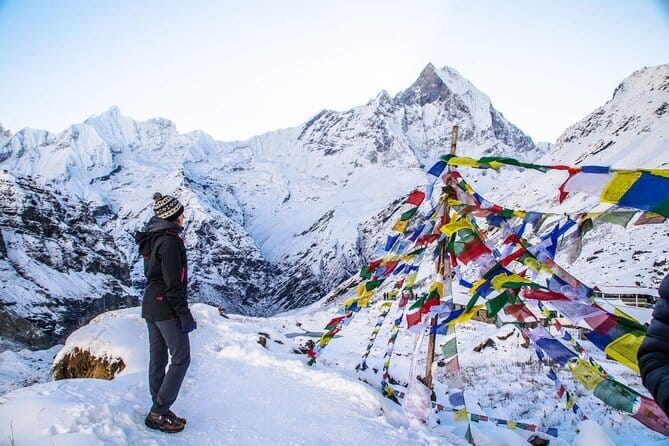
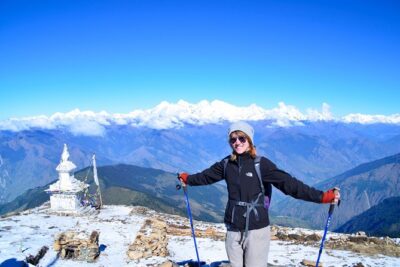
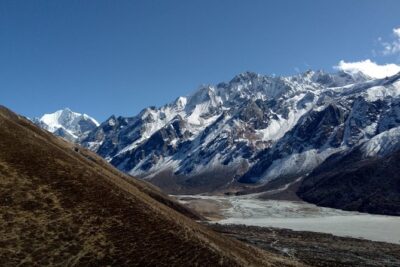
The views are the other big reason. Langtang Lirung rises to about 7,227 meters, and you’ll feel that presence throughout the valley. Even when you’re walking under trees, the peaks are never far away in your mental picture. And then you hit Kyanjin Ri and the Kyajin Ri summit area, and suddenly the whole region snaps into focus.
More of the Langtang valley:
- Langtang Valley Trek
★ 5.0 · 140 reviews - Langtang Valley Trek
★ 5.0 · 61 reviews - Langtang Valley Trek
★ 5.0 · 50 reviews
Price and value: is $410 fair for this trek?
At $410 per person for about 7 days, the real question is what you’re not paying for separately. This package covers hotel pickup and drop-off, a round-trip transfer by sharing local bus, trekking permit plus TIMS card, an English speaking trekking guide, lodge accommodation, and a private trip setup for your group.
That’s a lot of the “hassle cost” built in. Permits and the TIMS card are not optional paperwork. Guides are also a big deal on trek. Even on a route that’s considered accessible, having local navigation, pacing, and day-to-day support saves you from the common beginner trap of trying to figure everything out while you’re already tired.
What’s not included is also clear: personal expenses. That usually means extra snacks, hot drinks, laundry, and anything above what’s included for lodging. So yes, you’ll spend some money on the trail, but you shouldn’t need to budget surprises for permits, guide services, or your basic transport.
Day 1, Kathmandu to Syabrubesi: your first mountain handoff
Your trek starts with Kathmandu pickup, then transfer out to the trailhead area with a sharing local bus. Day 1 ends at a lodge in Syabrubesi (your stop is Hotel Garden inn Shyfru Bensi).
This day is less about hiking and more about switching gears. You’ll be traveling several hours, then settling in and eating like a trek is already happening. That’s smart. When you sleep at Syabrubesi, you’re giving your body time to adjust to the general rhythm of the mountains even if you’re not yet at the highest points.
A small practical note: you might not feel “altitude effects” on day 1, but your legs will. A long travel day followed by a lodge night can make you feel stiff. Take a slow walk after you check in, and keep dinner simple.
Day 2, Lama Hotel along the Langtang Khola: forests and river time
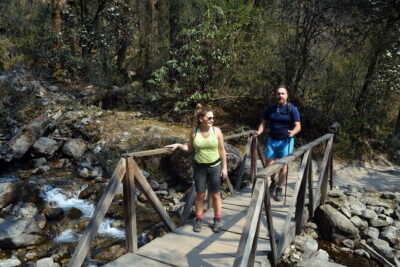
On day 2 you hike to Lama Hotel. The trail follows alongside the Langtang Khola, so you get glimpses of a rushing river and a green corridor of trees.
This is one of the reasons this trek works for moderate fitness. The walking day is not built around constant steepness. Instead, you get a rhythm. Watch your footing on uneven sections, keep your pace smooth, and let the river do the “background soundtrack” work.
In the forest zones, you’ll often feel cooler and more protected from sun. That’s a comfort advantage on trek days, especially if you’re traveling in warmer months. It also means your clothing plan should include layers. Even when it’s pleasant in Kathmandu, mountain weather can feel different minute to minute.
More to compare around Kathmandu
- Everest Base Camp Trek – 14 Days
★ 5.0 · 1,499 reviews - Everest Base Camp Trek
★ 5.0 · 842 reviews - Private Kathmandu Sightseeing Tour | UNESCO World Heritage sites
★ 5.0 · 756 reviews - Kathmandu: 7 UNESCO Sites with Lunch
★ 4.8 · 744 reviews
Day 3, Langtang Village: rhododendron blooms and village warmth
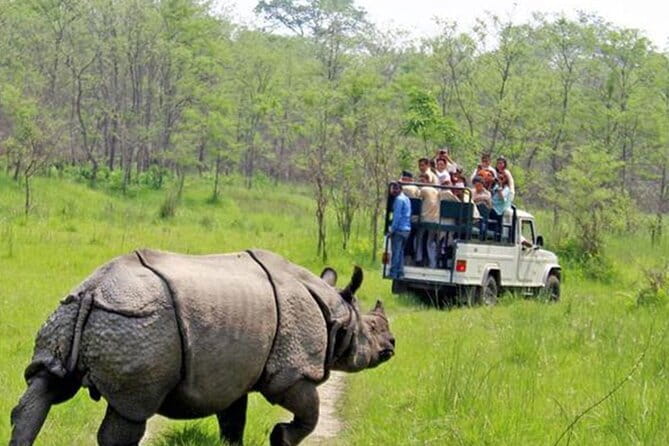
Day 3 heads toward Langtang Village. You start early, and the trail threads through forests where you can spot moss-covered trees and rhododendron blooms.
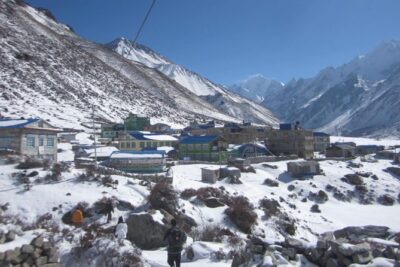
This is where the trek shifts from “moving through nature” to “moving with people.” Langtang Valley is known for traditional Tamang and Sherpa village life. That shows up when the trail opens into settlements, when you pause for a break, and when you see how daily life continues in a mountain setting.
This day is also a good reminder that the best trekking photos often come from the quiet seconds. When you stop to refill water or catch your breath, you’ll see details like doorways, prayer areas, and small changes in the trail depending on village access.
Drawback to watch for: day 3 is also a day you can get emotionally tempted to hike faster because the scenery feels forgiving. Don’t. Save your strength for Kyanjin Ri and the higher viewpoints later.
Day 4, Kyanjin Ri and Kyanjin Gompa: crisp air and monastery calm
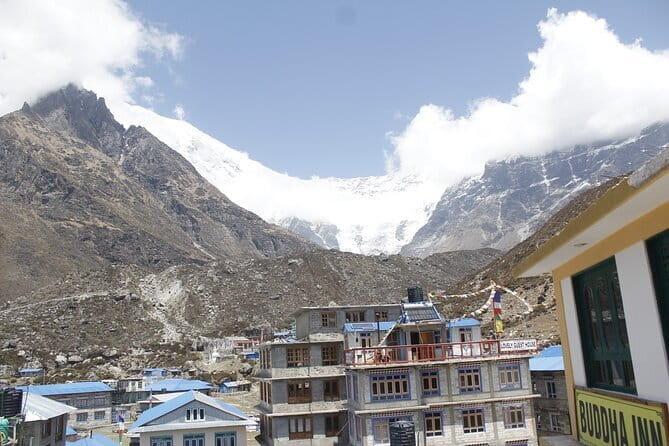
Day 4 takes you higher and brings in that feeling of thinner air. You’ll notice the air grows crisper as you climb. The day is built around reaching the Kyanjin Ri area, where you’ll be near Kyanjin Gompa.
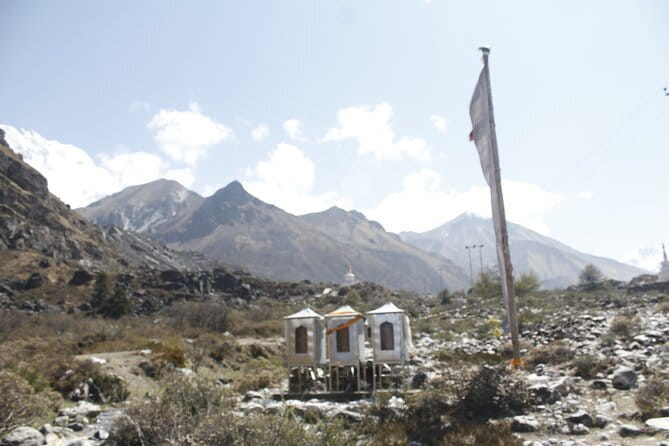
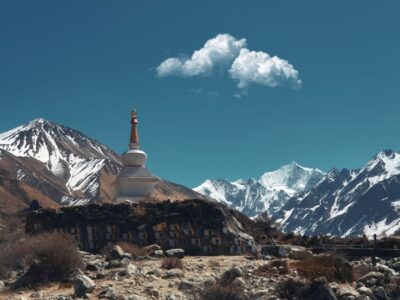
Kyanjin Gompa is a serene Buddhist monastery set against rugged landscape. The itinerary notes the monastery area at around 3,800 meters above sea level, so you’re already starting to be in the “views and sky” zone.
This is a highlight day for a reason. Monastery stops do two things. They give you a quiet break from constant trekking motion, and they connect you to the spiritual side of the region. It’s one of those moments where you feel you’re not just passing through a place, you’re arriving.
Practical tip: plan for cold after you stop moving. Even if hiking felt okay, at these heights you can cool down quickly once you sit still. Bring a warm layer you can put on without wrestling your whole pack.
Day 5, Kyajin Ri summit push back to Lama Hotel
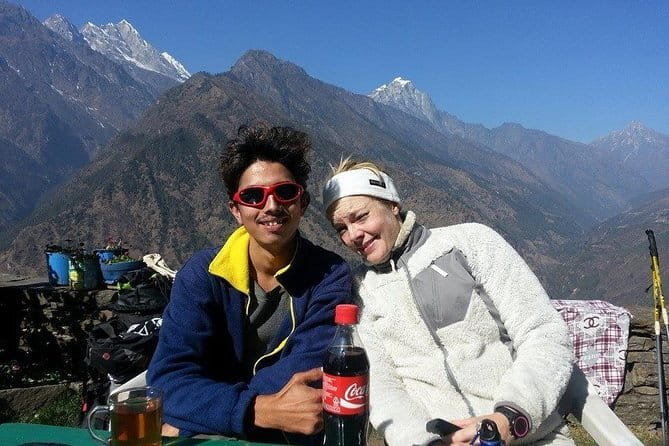
Day 5 includes the Kyajin Ri summit and then the descent back toward Lama Hotel. The itinerary lists the summit at about 4,700 meters (15,420 feet).
Even if you’ve done other hikes, this is the day to respect the air. You’ll want a calm pace from the start, because higher altitudes punish fast starts. Take short steps, slow breathing, and stop when you need to. The goal isn’t speed. The goal is a safe, enjoyable summit experience.
Once you’ve reached the viewpoint and taken in the panorama, the day turns into a descent. Expect rocky ridges and narrow paths, and occasional steeper sections that test endurance. Then you’re hiking back down to where your lodge night is again in Lama Hotel.
The good news: descending is often easier on the lungs than climbing, but it can be hard on the knees. Use trekking poles if you have them, and take care with foot placement. Your legs will thank you the next day.
Day 6, Lama Hotel back to Syabrubesi: finishing the loop
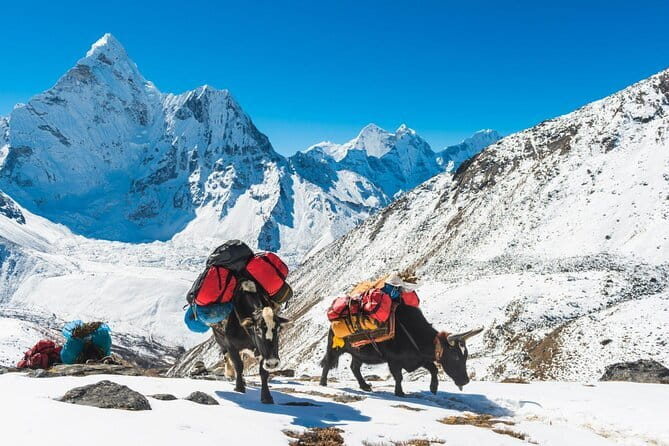
On day 6 you return to Syabrubesi. The itinerary notes the trek from Lama Hotel to Syabrubesi usually takes 5 to 6 hours, and it passes through lush forests, streams, and local scenery.
By this point, you’ve already learned the basics: how your body reacts, how your pace feels best, and what kind of breaks help. This makes day 6 one of the most satisfying days emotionally. You recognize the shapes of the trail. You may even spot the same river curves and realize you’ve already been there.
It’s also a good day to reflect on the “value moments.” For me, the value isn’t only the top-of-mountain views. It’s the middle hours, when the trail switches between forest shade and open vistas, and you can feel the valley’s logic.
Day 7, Syabrubesi to Kathmandu with a Thamel landing
The final day is a drive back to Kathmandu, with the itinerary listing about 7 to 8 hours. Expect breaks for stretching along the way. Your stop in Kathmandu is Thamel.
This day is when you enjoy being back in city life. Hot shower, clean clothes, and a real chair you don’t have to climb onto. Thamel is also practical. It’s where you can get supplies, charge your devices, and settle accounts from the trek.
If you have extra time before or after, you’ll likely want to take advantage of Kathmandu’s cultural highlights. One of the common “pairings” people like around this area is Swayambhunath, since it’s famous and often reachable with a day plan.
Just keep expectations realistic. Day 7 is not for hero sightseeing. It’s for recovery plus a few thoughtful hours, not an all-day marathon.
Lodges, guides, and what “English speaking” really means on trek
This trek includes lodge accommodation each night on the trekking days. That’s a big comfort factor. You’re not managing tents, sleeping bags, or camp logistics. You can focus on the walk and rest.
You also get an English speaking trekking guide. In practice, that means you can ask questions easily, confirm what’s coming next, and understand pacing advice without language friction. The feedback around service quality tends to highlight guides and friendly teamwork, and that fits the biggest practical point: you want someone who keeps the day running smoothly when weather, trail conditions, or group speed shift.
Because you’re on a private trip for your group, you avoid the weird mismatch where you feel forced to hike at someone else’s tempo. Transfers still happen via sharing local bus, but the trek itself is controlled by your group dynamic.
One more note: the itinerary mentions that this is a private tour/activity, only your group participates. That’s a real value point for families, couples, or friends who want a quieter pace than a big group.
Permits, TIMS, and the passport photo deadline you must not miss
Included with this trek are your trekking permit and tims card. To issue them, the provider needs your passport details and a photo (a selfie also works).
This is not a minor admin step. If you wait too long, your permits can get delayed. So before you even pack, get your passport data ready, and send the photo promptly. It helps prevent last-minute stress when you should be focusing on hiking prep.
Practical approach: keep a screenshot of whatever you send, and double-check spelling. Trek permits tie to names, and trekking admin is not the place to guess.
Who this Langtang Valley trek is best for
This trek is described as suitable for moderate physical fitness. That means it’s a good match if you can handle daily walking for several hours, expect some uphill sections, and don’t need a flat trail day after day.
It’s also a good choice for people who like a mix of experiences:
- Village culture and monastery calm
- Forest hiking plus river scenery
- High viewpoint payoff around 3,800m and 4,700m
And yes, it works well for family trips, as long as everyone is honest about their hiking comfort. A private group setup can make the experience feel easier because pacing is more flexible.
If you’re brand-new to trekking, ask yourself if you’ve done hikes that last at least half a day. If you have, great. If not, consider training hikes first, because the trail rewards consistency more than bravery.
How to prepare so you feel good on summit day
You know the hardest day includes the Kyajin Ri summit near 4,700 meters. Even though the route is considered accessible, height still changes your breathing and energy.
Here’s what you can do that’s practical and based on how these treks feel:
- Start the day early enough to avoid rushing. Slow beats fast at altitude.
- Keep your water intake steady. Don’t wait until you feel thirsty.
- Dress in layers. Forest mornings can be cool, and high points get cold once you pause.
- Pack for the climb and the descent. Descents can be tougher on the knees than you expect.
Also, since lodge accommodation is included, pack like you’ll be in a basic mountain lodge environment, not a hotel with lots of extras. Bring what you’ll want for comfort: a warm layer, a simple headlamp if you use one at night, and enough small items to keep your evenings easy.
Should you book this Langtang Trek?
I’d book this if you want a solid, well-supported Langtang Valley experience with permits handled, an English speaking guide, lodge nights, and a route that’s challenging enough to feel like a real adventure but not so extreme that it requires specialist skills.
Skip it, or at least think twice, if you’re not comfortable with altitude. The plan includes time at around 3,800m near Kyanjin Gompa and a summit day near 4,700m. If you have medical concerns, talk them through with your doctor before committing.
One final decision helper: if you value structure, this trip does a lot of the heavy lifting for you. If you like freedom and independent scheduling, it may feel a bit “managed.” But for most people, that structure is exactly what makes the trek enjoyable.
FAQ
How long is the Langtang Trek from Kathmandu?
The tour is listed as 7 days (approx.).
Where do you start and end the trek?
You start in Kathmandu with hotel pickup and drop-off, and you end back in Thamel after traveling from Syabrubesi.
What’s included in the price?
Included are hotel pickup and drop-off, round trip transfer by sharing local bus, trekking permit and TIMS card, an English speaking trekking guide, lodge accommodation, and a private trip.
What documents do I need to join?
You need to provide passport details and a photo (a selfie works) so the trekking permit can be issued.
How fit do I need to be?
The tour states travelers should have moderate physical fitness.
Is this a private group or shared trek?
It is a private tour/activity, and only your group participates. Transfers use a sharing local bus, though.
What is not included?
The tour lists personal expenses as not included.
Latest Kathmandu write-ups
- Visit Swayambhunath and Bauddhanath Stupa with Guide★ 5.0 · 5 reviews
- 10 days Annapurna Base Camp Trek★ 5.0 · 5 reviews
- 7 Day Kathmandu Pokhara Tour★ 4.5 · 5 reviews
- Island Peak Climbing with Everest Base Camp★ 5.0 · 5 reviews
- Chandragiri Hill Cable Car Tour with Hotel Transfers from Kathmandu★ 4.5 · 5 reviews
- Everest Mountain Flight★ 5.0 · 5 reviews
- Kathmandu city day tour (4 world heritage sites)★ 5.0 · 5 reviews
- Annapuran Base Camp Trek★ 4.5 · 5 reviews
Langtang Valley Trek, compared.
7 Days Langtang Valley Private Trek From Kathmandu
Read our review →Browse the lists this tour appears in