
Reviewed · LANGTANG VALLEY TREK
Langtang Valley Trek – 8 Days
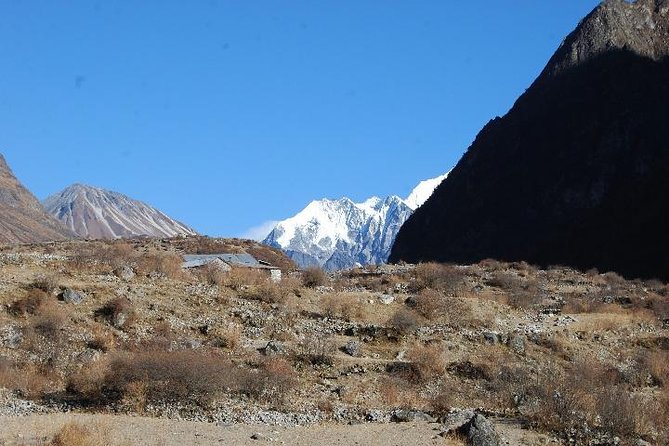
Langtang Valley is the kind of Himalayan trek that feels both scenic and real, because you walk through a high valley with Tamang culture that echoes Tibet, not the more common Nepalese hill traditions. I like the way the route balances forests, villages, and monastery time without pushing you into extreme altitude too fast. I also like that your package includes key trekking support like a licensed English-speaking guide, permits, and even a down jacket and sleeping bag, so you can travel lighter. One thing to think about: you are dependent on weather, and the roads and trails can feel slow when conditions are wet or visibility is poor.
You’ll start with a long, bumpy drive from Kathmandu to Syabru Besi, cross into the valley along the Bhote Koshi river, then follow the Langtang River upstream. Each day gives you a new reason to get moving, from suspension-bridge moments to panoramic viewpoints around Kyanjin Gompa. People who want a first serious trek often like this because it gets you deep into the mountains in just a handful of days.
This trek is run by Base Camp Adventure Pvt. Ltd., and the local support is a big part of the experience. In past trips, guides such as Prakash have been praised for being friendly and planning the route well, while the office contact has been described as prompt and helpful (often mentioned as Shree). Your exact guide can vary, but the standard of organization matters, and it shows.
Key Highlights You’ll Feel on the Trail
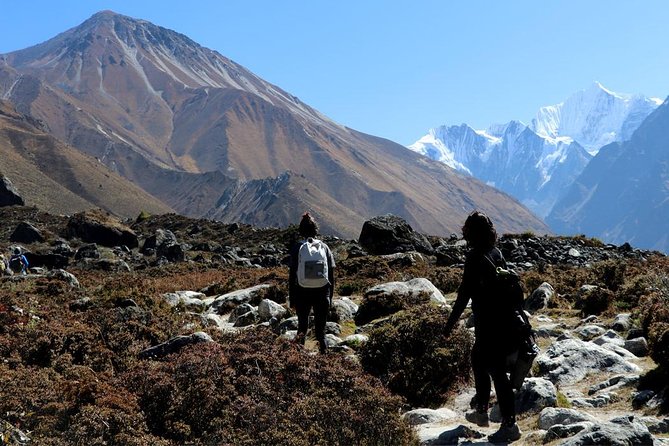
- Rhododendron and bamboo forests, plus steady river walking that keeps the days moving
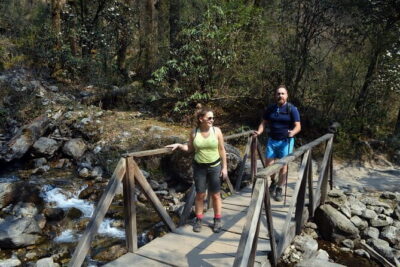
- Suspension bridge over Bhote Koshi, a quick adrenaline hit early on
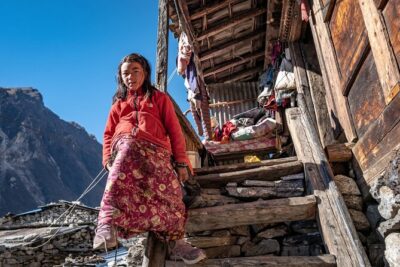
- Langtang village and Tamang stone houses, with yaks and wild goats as everyday neighbors
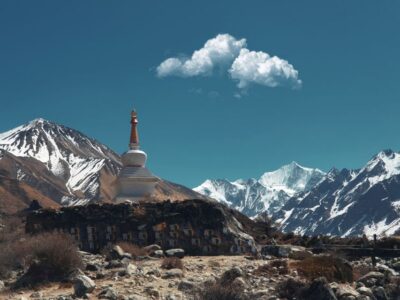
- Kyanjin Gompa, a monastery locals consider especially sacred
- Side hikes to Kyanjin Ri and Tserko Ri, for mountain views without needing a summit push
Langtang Valley: where Tibetan-flavored culture meets big mountains
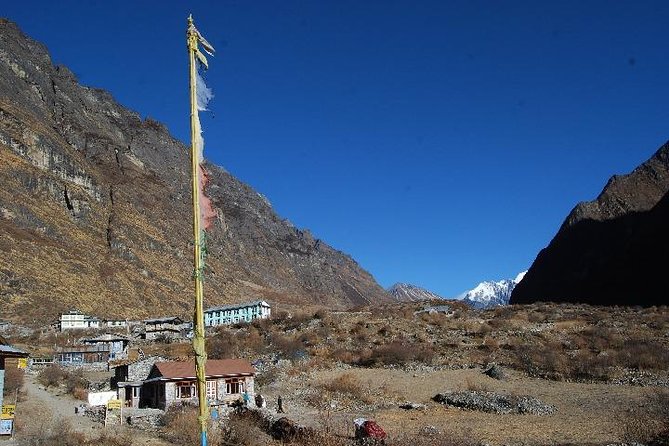
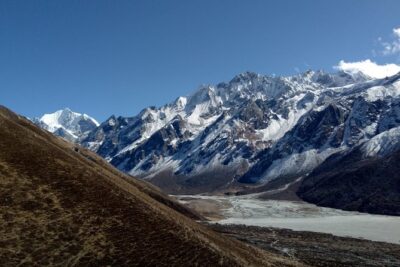
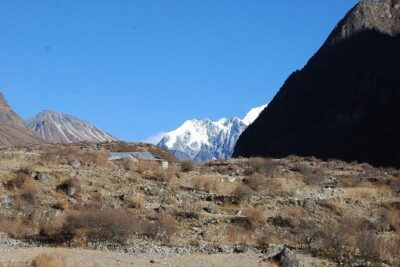
Langtang Valley sits just south of the Tibetan border, squeezed between high snowy ranges to the north and a slightly lower mountain wall to the south. Langtang Lirung (7246m) dominates the north side, while Gang Chhenpo (6388m) and Naya Kangri (5864m) frame the south. Dorje Lakpa guards the east end of the valley. That means, even on days that are not technically hard, the scenery keeps paying you back.
The cultural texture is a major reason this trek works. The area became Nepal’s first Himalayan national park back in 1971, and the valley is home to Tamangs whose religion, language, and dress align more closely with Tibet than with many communities in Nepal’s Middle Hills. If you like travel that’s more than just a photo stop, you’ll notice how daily life still follows its own rhythm here. Even the name tells a story: lang refers to yak, and teng (more correctly dhang) means to follow, tied to a legend about a lama and a runaway yak discovering the valley.
More of the Langtang valley:
- Langtang Valley Trek
★ 5.0 · 140 reviews - Langtang Valley Trek
★ 5.0 · 61 reviews - Langtang Valley Trek
★ 5.0 · 50 reviews
Price and what you actually get for $1,000
At $1,000.00 per person for an 8-day trek, the headline number is only useful if you check what’s inside the package. Here, you do get real trail value built in.
What you’re paying for, based on what’s included:
- Three meals a day during the trek (breakfast, lunch, dinner)
- Guest house lodging, described as best available, mostly in twin sharing
- A local government licensed English-speaking guide
- Permits and national park entry fees (so you’re not chasing paperwork during your trip)
- Trek staff support: food, accommodation, salary, insurance, equipment, medicine, and transportation
- Key gear: down jacket, sleeping bag, and a duffel bag
- Safety tools: first aid medical kits and an oxymeter to check pulse and oxygen saturation
Also included is a surface bus transfer from and back to Kathmandu. That matters because a trek like this lives or dies on logistics, and you don’t want to spend your first day figuring out how to reach the trailhead.
What costs extra:
- Travel insurance, international airfare, and airport departure tax
- Alcohol, hot and cold drinks, laundry
- Personal trekking equipment
- Anything not listed in the included section
My practical take: this price can be a good fit if you want to avoid last-minute gear shopping and paperwork, and if you like having someone handle the behind-the-scenes pieces. If you already own all trekking gear and feel confident managing permits, you might compare costs, but the included support still has value when you’re trying to focus on the walk.
Getting started in Kathmandu: meeting time and the road to Syabru Besi
The trek meets in Kathmandu (44600, Nepal), starting at 11:15 am. From there, you’ll head to Syabru Besi by road. This is not a smooth, movie-like ride. The route is described as uneven and windy, but in a good way, meaning you’ll still get entertained by passing views and the changing terrain as you move toward the trailhead.
You’ll also get a first taste of the mountain attitude of the region. On the drive, you should see the Langtang and Ganesh Himal ranges, then arrive at the serene town of Syabru Besi for your overnight. This is a smart setup because your first proper walking day is waiting right after, and sleeping at Syabru Besi keeps the start efficient.
Day 1: Kathmandu to Syabru Besi, where you shake out your legs
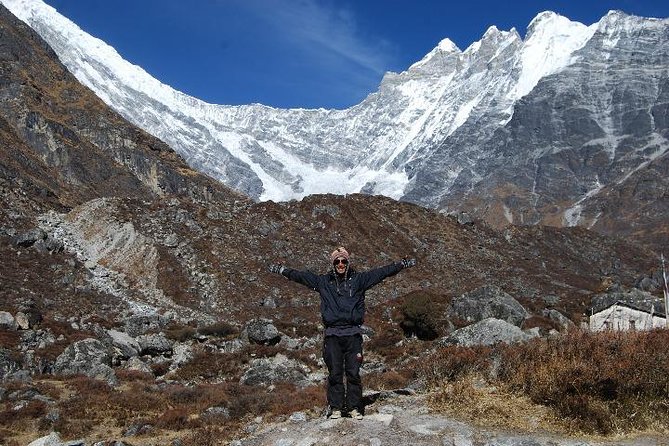
Day 1 is about getting to altitude gradually and building anticipation. You’ll leave Kathmandu, drive to Syabru Besi, and settle in for the night. If you’re sensitive to road motion, consider keeping your daypack light and bringing water. Also, don’t plan anything too ambitious after you arrive. Your body is preparing for trekking more than it is sightseeing.
Syabru Besi is also a moment of calm before the river walk begins. You’re trading city noise for a mountain town pace, which makes Day 2 feel easier when you’re ready to step onto trail.
More to compare around Kathmandu
- Everest Base Camp Trek – 14 Days
★ 5.0 · 1,499 reviews - Everest Base Camp Trek
★ 5.0 · 842 reviews - Private Kathmandu Sightseeing Tour | UNESCO World Heritage sites
★ 5.0 · 756 reviews - Kathmandu: 7 UNESCO Sites with Lunch
★ 4.8 · 744 reviews
Day 2: Bhote Koshi bridge and the forest walk to Lama Hotel
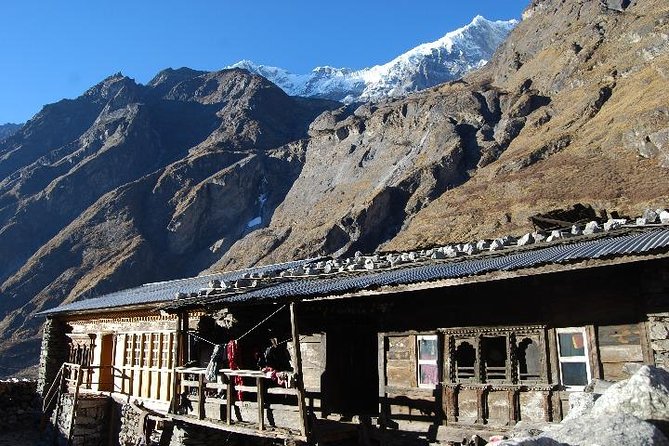
Day 2 is a classic Langtang Valley transition day. You descend toward the Bhote Koshi River, cross a suspension bridge, then enter the valley and follow the Langtang River upstream.
The trail here is lush, with rhododendron and bamboo forest described along the way. That matters more than it sounds. Forest walking tends to spread out the effort. You’re not constantly steep climbing, and shade helps if the sun is strong. You pass scattered settlements, then reach Lama Hotel for the night.
From Lama Hotel, you’ll get views of Naya Kang (5844m) and Langtang II (5696m). It’s the first real mountain pay-off that looks big without asking you to do big climbing yet. This balance is part of why the itinerary works for people aiming for a first serious trek.
Day 3: Langtang village and Tamang stone houses with yaks
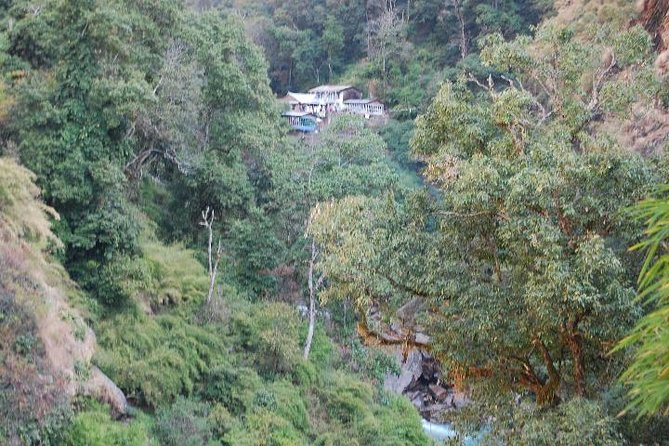
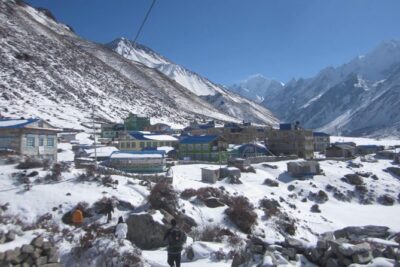
On Day 3, the route shifts from mostly river valley walking into a gradual climb to the narrow track that leads you deeper into the valley. You’re heading toward Langtang village, a Tamang village known for the combination of views, village life, and the feel of older homes.
This is where you see stone thatched houses, and you’ll likely notice yaks and wild goats in the area. You’ll also see agro fields and rhododendron forests around you. The draw of this day is simple: it’s not only about your hiking legs. It’s about living in the landscape, even briefly, by spending time in a real village community.
You’ll explore the village and get that wide, direct view of Langtang Lirung (7227m). The overnight in Langtang village helps you slow down. If you rushed straight to higher points without time here, you’d miss the human-scale part of Langtang.
Day 4: Kyanjin Gompa, the monastery locals call sacred
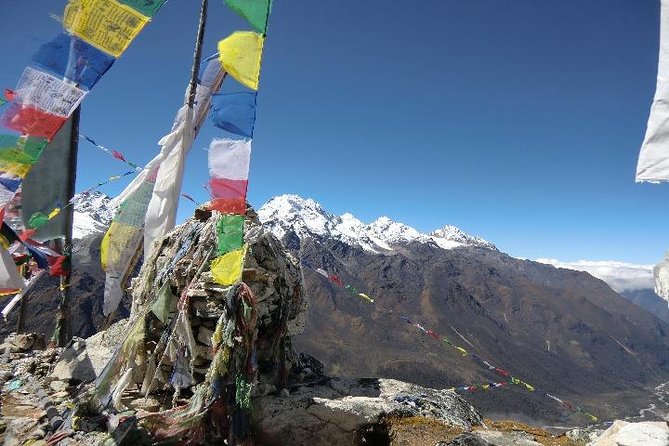
Day 4 is another key milestone. You continue alongside the Langtang River and work your way to Kyanjin Gompa. The description includes a few ascends and descends, which means you’ll feel the trek shape in your calves even if you’re not doing any technical climbing.
You reach an ancient monastery that Tamang locals in the valley deem especially sacred. This is the kind of place where you learn faster by watching how people behave than by trying to force questions into every moment. The monastery also gives you a strong scenic backdrop.
From Kyanjin Gompa, you get views of the Langtang range, plus peaks including Dorje Lakpa (6966m) and Langshisa Ri (6560m). If you like sacred buildings and mountain views at the same time, this day earns its keep.
One practical point: the itinerary lists the overnight for this segment as staying back in Langtang village. In real life on treks, timing can sometimes shift based on conditions. Either way, you’ll be sleeping in a guest house area connected to the monastery region.
Day 5: Kyanjin Ri and Tserko Ri, plus monastery and cheese factory time
Day 5 is your day off trekking, which is a smart design choice. After several days of continuous hiking, a half reset reduces burnout and helps you enjoy the big views more.
You have options, including hiking up to Kyanjin Ri (4773m) and Tserko Ri (4984m) for a stunning view of the surrounding mountains. Even if you only hike one of these, the altitude step is smaller than an aggressive summit push, and you still get rewarded with wide sightlines.
Then you can spend time exploring the monastery and the local cheese factory of Kyanjin, while interacting with locals of the village. This is one of the itinerary’s strengths because it adds a cultural and practical everyday element. It’s not only about temples and teeth-chattering mornings. It’s also about how food gets made and life continues at altitude.
If you’re trying to decide whether to do both side hikes, ask your body. Day 5 is the day to listen. If your legs feel fine, go higher. If you feel heavy, stick with the lower option and enjoy the rest.
Day 6: Retracing to Lama Hotel through rhododendron forests
On Day 6 you retrace your steps back to Lama Hotel, walking along the Langtang River. The route includes a return through lush rhododendron forests, passing Langtang village and Ghoda Tabela, then continuing to Lama Hotel for the night.
Retracing can sound boring, but it usually isn’t when the valley is still changing in the light. You also get a chance to notice details you might have missed while moving faster on the way in. Plus, going downhill or flat earlier in the day can make Day 7 easier later.
Your goal here is not speed. It’s steady pacing so you arrive with energy for the final stretch back toward Syabru Besi.
Day 7: The ridge descent above Langtang River to Syabru Besi
Day 7 continues the return trek alongside Langtang River toward Syabru Besi. The scenery described includes mesmerizing views of mountains, green areas, and Tamang villages, which is exactly the kind of return-day payoff that makes retracing worth it.
There is also a tougher moment described: a steep descent on a ridge above the Langtang River to reach Syabru Besi. This is the part where your legs can feel it, even if you walked well earlier. Use trekking poles if you have them, and take your time on foot placement. Wet stones and narrow paths are where people lose energy fast.
You’ll overnight at a local guesthouse in Syabru Besi.
Day 8: Drive back to Kathmandu with Trishuli River views
Day 8 ends the trek with a drive back to Kathmandu. You’ll enjoy views of the Trishuli River for much of the journey, and you’ll pass local villages and green scenery as you move through the region. It’s a relaxing change after days on foot.
Once you arrive in Kathmandu, you’ll be transferred to your hotel. Then you can stroll and explore the city at your own pace.
Practical note: plan a casual evening. You’ve just done an 8-day trek, and even if you feel great, you’ll likely sleep better if you don’t pack your last night with long plans.
Weather, fitness, and altitude: how to judge if this fits you
This trek is designed for moderate physical fitness. It’s not presented as a technical climb, but it is still a multi-day hiking commitment with ascends, descends, and some steep sections like the ridge descent described on Day 7.
Also, the experience requires good weather. That matters because road conditions and trail visibility can change quickly. If you’re the type who panics at clouds, consider that mountain trekking runs on realistic conditions.
One more comfort factor: your included oxymeter lets you check pulse and oxygen saturation and track how your body is coping. I like that it’s built into the package, because it turns altitude awareness into something you do routinely, not only when a problem already shows up.
Who should book Langtang Valley Trek (and who should think twice)
You’ll likely love this trek if:
- You want a first trek into the Himalayas that still feels meaningful and far from tourist-only routes
- You like a mix of forest walking, village life, and monastery scenery
- You want organized logistics, including permits, meals, lodging, and gear
You should think twice if:
- You’re not comfortable with uneven hiking days and at least one steep descent segment
- You need guaranteed perfect weather, because the trip is described as weather dependent
- You prefer fully independent travel where you control every detail yourself, since this is a private, guided setup
Finally, if you’re sensitive to road travel, remember Day 1 and Day 8 involve long drives after a full day of being in transit.
Should you book Base Camp Adventure for Langtang Valley?
If you’re looking for a well-supported trek with a clear route and strong value for what’s included, I’d give this a serious look. The package covers the parts that usually cause stress, like permits, guide support, meals, and essential sleep gear. And the trekking structure is smart, with a day to recover around Kyanjin Gompa and multiple viewpoints that make the effort feel justified.
The most praised parts from past experiences are consistent: people talk positively about the guide partnership, the planning, and the smooth start-to-finish coordination. When a trek runs well, you feel it most on quiet moments, like settling into a guest house with no scramble for food or directions.
My simple decision rule: book it if you want an organized first Himalayan trek with real village and monastery time. Skip it if your idea of a mountain vacation is mostly flat paths and perfect conditions.
FAQ
What time does the trek start and where do I meet?
The trek meets in Kathmandu at 11:15 am (meeting point listed as Kathmandu, Nepal). The experience ends back at the meeting point.
How long is the Langtang Valley Trek?
The duration is listed as 8 days, approximately.
Is this a private tour?
Yes. It is described as a private tour/activity, meaning only your group participates.
What’s included in the trek meals and lodging?
You get three meals a day (breakfast, lunch, and dinner) during the trek. Lodging is provided in guest houses during the trek, mainly in twin sharing.
What trekking gear is provided?
The package includes a down jacket, sleeping bag, and a duffel bag.
Do I get a guide, and what language do they speak?
You get a local government licensed English speaking trekking guide during the trek.
What about safety and oxygen monitoring?
First aid medical kits are included, and an oxymeter is included to check pulse and oxygen saturation and heart rate.
What if the trek is canceled due to poor weather, or I need to cancel?
If the experience is canceled due to poor weather, you’ll be offered a different date or a full refund. You can cancel up to 24 hours in advance for a full refund, and changes within 24 hours are not accepted.
Latest Kathmandu write-ups
- Langtang Valley Trek★ 5.0 · 3 reviews
- Khopra Danda Trek★ 5.0 · 3 reviews
- Langtang Valley Trek from Kathmandu★ 5.0 · 3 reviews
- 5 night / 6 days Kathmandu Nagarkot Chitwan Pokhara tour★ 5.0 · 3 reviews
- Nepal Highlights Tour: 5 Nights 6 Days Kathmandu & Pokhara Tour★ 5.0 · 3 reviews
- Kathmandu Valley Private Day Tour★ 5.0 · 3 reviews
- Kathmandu Heritage Day Tour★ 5.0 · 3 reviews
- Conquer the Himalayas: The Ultimate 16-Day Annapurna Circuit Trek★ 3.5 · 3 reviews
Langtang Valley Trek, compared.
7 Days Langtang Valley Private Trek From Kathmandu
Read our review →Browse the lists this tour appears in