
Reviewed · LANGTANG VALLEY TREK
Langtang Valley Trek
Langtang Valley Trek is interesting because it gives you big Himalayan views and a very human side of Nepal, without making you grind for weeks. I like the way the route pairs Langtang National Park scenery with Tamang villages and monastery stops, and I also like that the package keeps the logistics simple with transport, permits, and meals handled for you. One thing to consider, though, is that the trekking does include a few long and steep stretches, so you should be ready for some real uphill work.
What I really appreciate is that the trek is close enough to Kathmandu to be realistic even if you have limited time. The added context matters too: the Langtang region was hit hard by the 2015 earthquake, and you can see signs of rebuilding as you pass through places like Mundu, where older homes stand alongside newer lodges. If you are sensitive to altitude stress or fatigue, plan to move slowly on the highest day, Tserko Ri, and don’t treat this like an easy walk.
Key things I think you will care about
- Lodge trekking plus meals included means you spend your energy on walking, not planning
- Kyanjin Gompa brings monastery culture into the middle of your hike, not at the end
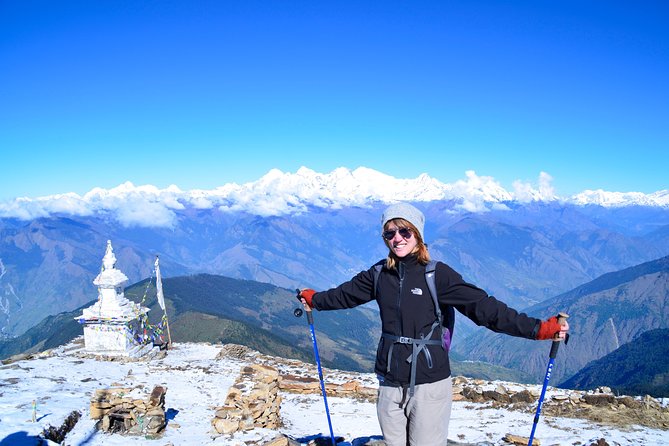
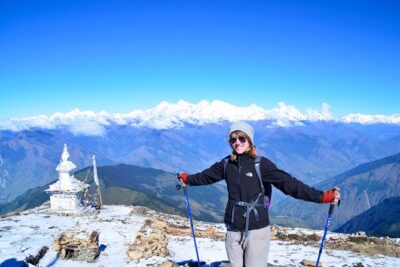
- Tserko Ri sunrise hike is the trek’s high point, with big Langtang Range views on clear mornings
- Mundu’s old houses give you a sharper sense of recovery and how villages have changed
- Guides with strong care are a standout theme, with names like Santabir, Sandip Aryal, and Yadu showing up in feedback
- Sleeping bag and duffel provided can lighten what you carry from Kathmandu
Why Langtang feels like the best “views per day” trek from Kathmandu
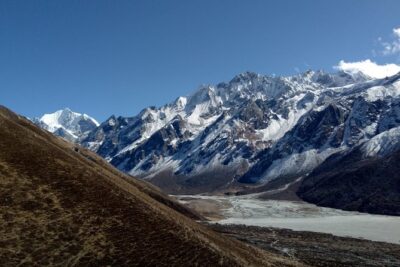
The Langtang Valley Trek is often called the valley of glaciers, but what you really experience is a mix of glacier-fed river valleys, high pastures, and village life that changes day by day. You are trekking inside Langtang National Park, so the scenery stays outdoorsy and the route is clearly shaped for hikers rather than random wandering.
This route is also practical for a lot of people because it starts close to Kathmandu. You drive from the city to the trekking gateway, Syabrubesi, and you are already in the right rhythm for hiking the next morning.
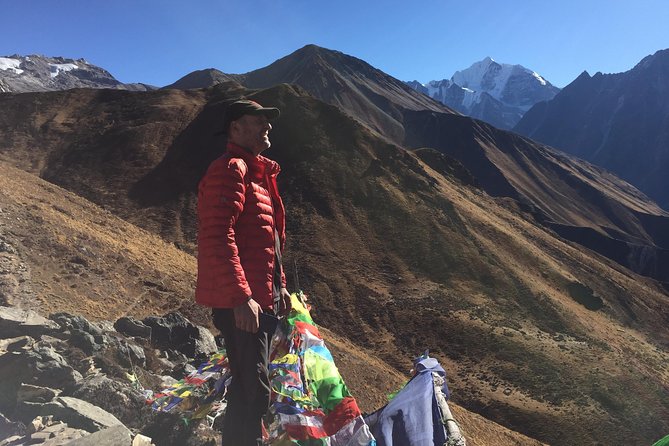
One more reason this trek lands well: it gives you culture alongside nature. You walk past places tied to Buddhist practice, including prayer flags, chortens, and the visit to Kyanjin Gompa. And along the way, you pass Tamang settlements where waterfalls, yak pastureland, and monastery life are part of the daily view.
More of the Langtang valley:
- Langtang Valley Trek
★ 5.0 · 140 reviews - Langtang Valley Trek
★ 5.0 · 61 reviews - Langtang Valley Trek
★ 5.0 · 50 reviews
Price and what $860 really buys you
The package price is $860, and the value depends on one key question: do you want a guide and a supported route, or do you want to freestyle it yourself? This is a supported, guided trekking experience, and that typically costs more than DIY trekking, but it also reduces the guesswork.
Here’s what you do get in the included portion:
- Lodge accommodation during the trek
- Airport transfers and all necessary permits
- Transportation from the start and end points of the trek
- Trek support gear through Nepal Social Treks Gears, including a sleeping bag and duffel bag
- Professional trek guide and a first aid kit
- Meals: breakfast 8, lunch 8, and dinner 7
What you do not get:
- Your Nepal entry visa fee (you pay directly)
- International flights
- Personal expenses like snacks and alcoholic drinks
- Gratuities for guide (and porter if you hire one)
- A trekking porter (it is listed as not included)
For $860, I think the best value is the meal plan plus the permit and transport handling. You still need to manage your personal spending, but your biggest “admin headaches” are reduced. Also, if you travel with light luggage, having a sleeping bag and duffel included can be a real money saver on extra gear rental or hauling.
One small note: the listing mentions group discounts. Since it also says your group participates privately, I’d treat this as meaning that if you book with companions, the per-person price may improve. Ask how your final group size affects it.
Getting to Syabrubesi in one long, scenic push from Kathmandu
The trekking starts with a 7-hour drive from Kathmandu to Syabrubesi. The route follows the Prithvi Highway, and you pass through villages, terraced farms, green hillsides, and occasional mountain views. Along the way you reach places like Galchi and Trishuli Bazaar, then you continue to Dhunche, which is the administrative headquarter of Rasuwa District.
This first day is not a gentle intro, but it is useful. It puts you in the right region quickly and gives you a transition from city time to trail time. Syabrubesi itself is the gateway town for the Langtang area, so you’ll find guesthouses, restaurants, shops, and ATMs.
My practical tip: use your time in Syabrubesi to do two things well. Get a calm meal that will not upset your stomach the next morning, and take an easy walk around town so your legs wake up without turning it into a workout.
Day 2: the suspension bridge start, rhododendron shade, and the hike to Lama Hotel
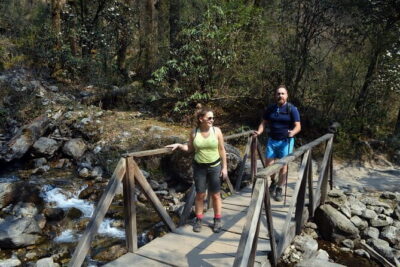
After an early breakfast, you head out on the trail. You cross a small suspension bridge over Ying Yang Khola, then leave the main road behind and follow a narrower trekking path. The route runs along Langtang Khola with gradual switchbacks, which is good news because it lets you settle into your pace.
This is a day where trees do a lot of work for you. Oak and rhododendron trees surround the trail for much of the hike, so you are not walking in a full sun glare the whole time. It also feels alive in the way a forest corridor does, and you may spot birds or langurs as you go.
You pass teahouse settlements like Tiwari Gaon, Bamboo, and Rimche. This matters because teahouse days are easier to manage. If you need a bathroom break or a quick snack, it is less of a big mission than on a route with fewer stops.
Then the real effort hits after Rimche. The trail becomes relatively steep until you reach Lama Hotel. If you are the type who starts too fast, this is where your caution pays off. Slow and steady up that steep section keeps the day from feeling more dramatic than it needs to.
More to compare around Kathmandu
- Everest Base Camp Trek – 14 Days
★ 5.0 · 1,499 reviews - Everest Base Camp Trek
★ 5.0 · 842 reviews - Private Kathmandu Sightseeing Tour | UNESCO World Heritage sites
★ 5.0 · 756 reviews - Kathmandu: 7 UNESCO Sites with Lunch
★ 4.8 · 744 reviews
Day 3: Langtang village, Ghoda Tabela yak pastures, and the Mundu walk
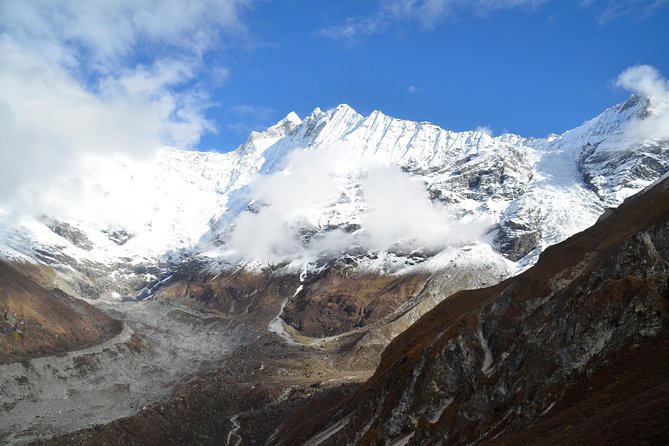
Today you work uphill toward Langtang village, a rocky hillside with waterfalls and occasional glimpses of Langtang Lirung. As you move along, you follow the Langtang River, which gives the valley a sense of direction and keeps the route feeling connected.
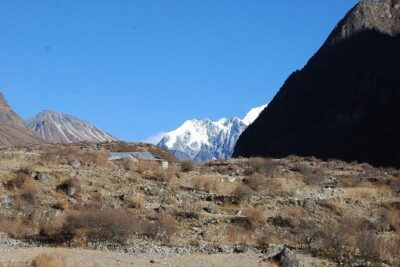
One of the highlights is Ghoda Tabela, where you pass wide yak pastureland. This is one of those places where the scenery starts widening out, and you get real views of the Langtang Range and the broader surroundings.
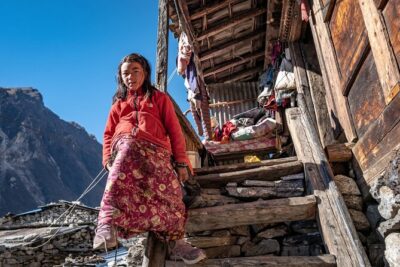
You arrive at the Tamang village of Langtang, and then you have a short additional walk to Mundu. Mundu is only about a 30-minute walk away, and it is worth it for what you see there. Old houses in this area remain as a reminder of what the villages used to look like, while many lodges and homes nearby are now built in a more contemporary style.
That mix gives you a sober, grounded feeling about recovery and rebuilding in the Langtang region. It is not all tragedy, though. It is also proof of people rebuilding homes and community life in a place shaped by mountains and hardship.
Day 4: Kyanjin Gompa, Buddhist trail details, and an optional extra viewpoint
Leaving Mundu behind, you head toward one of the trek’s most significant monuments: Kyanjin Gompa. The trail starts with a gentle incline through yak pastures, and as you climb, the valley opens up more. This day is shorter on paper, but it is a classic “enjoy the walk” day because you are not just hiking, you are gradually expanding your view.
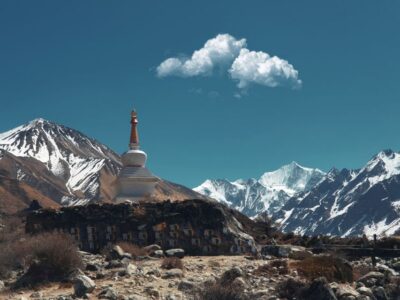
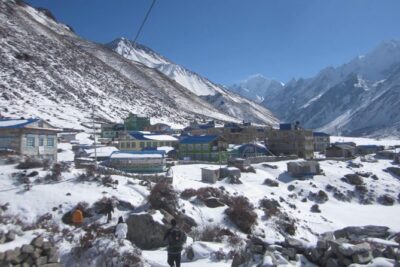
On the way you pass villages, water mills, and chortens, and you’ll see Buddhist details like prayer flags and prayer wheels plus little dwellings along the route. When you reach the gompa, Kyanjin Gompa is described as especially important for locals, and the Buddhist culture feels present rather than staged.
Once you arrive, you have time in the afternoon. If you want one more small adventure, you can check out Langshisha Kharka up the valley for more views, as suggested by your trek support.
My practical take: afternoons can be slow on the trail. If you feel good, go explore. If you feel tired, don’t force it. One of the smartest trekking moves is saving energy for the next day’s big hike.
Day 5: Tserko Ri highest point, sunrise views, and yak cheese at Kyanjin
Today is the highest point hike on the trek, the climb to Tserko Ri. Along the way you move through pastures with yaks, so you get that pastoral, high-altitude feeling even before you reach the top.
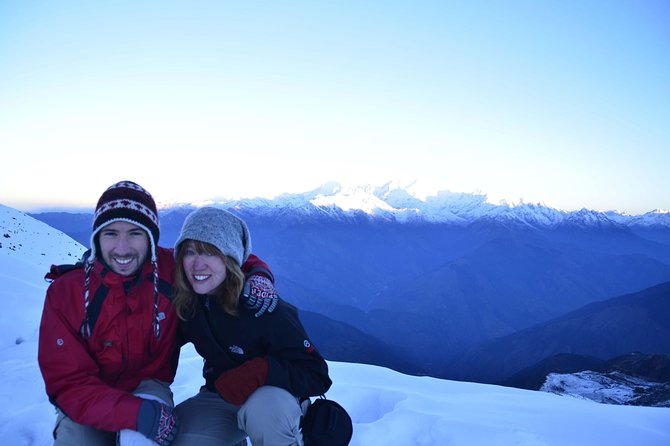
The big payoff is sunrise and a breathtaking view of the Langtang range. Sunrise hikes are often early and cold, but the value is that the views tend to feel sharper before the day warms up.
After you spend time on top, you hike back to Kyanjin and explore the village. There’s also a practical cultural stop you may enjoy: a local yak cheese factory where you can try the cheese and possibly buy it.
This is also a good day to check your supplies. If you want extra snacks for the descent, buying or tasting something local can help you pace yourself without relying only on whatever is on the menu at your lodge.
Day 6: turning around for a faster descent to Lama Hotel
Day 6 is retracing your route back through the valley. Starting from Kyanjin, you go down along the Langtang Khola until you reach Mundu, then continue onward to Ghoda Tabela. The description is clear on one point: the descent is quicker than the ascent.
That makes sense in hiking terms, but it comes with its own strain. Descents can feel easy because your legs are moving fast, but they are hard on knees and ankles if your stride gets sloppy. If you tend to overdo it, this is when careful foot placement matters most.
After lunch at a stop along the route, you continue the descent to Lama Hotel. Because you are moving back toward the earlier part of the trail, you also get a chance to re-see spots from a different angle, which can make retracing feel less repetitive.
Day 7: the return to Syabrubesi, Rimche steepness, and oak-rhododendron walking
Your final trekking day brings you back to Syabrubesi. You start with a steep descent to Rimche, then you walk a more gradual path that leads toward the valley gateway.
The trail remains surrounded by oak and rhododendron trees, and you get views of the Langtang Khola again. The route also has chances to see birds and animals, so keep your eyes open but keep your footing more important.
As you approach Syabrubesi, you enter a more built-up area. Before reaching the bazaar, you cross a suspension bridge and then connect to the motorway. That bridge moment is one of those small signs you are back to civilization, even though the walking is not quite over until you arrive.
Day 8: driving back to Kathmandu, Thamel time, and planning a real rest
On day 8, you leave Syabrubesi after breakfast and drive back to Kathmandu along the same route. The drive takes about 8 hours, and the countryside views give you a final reminder that this region is bigger than the trail line you walked.
When you reach Kathmandu, you get transferred to your hotel and you overnight near Thamel. If you want a simple reward, this is where it makes sense. Eat something warm, do a slow laundry rinse if you need it, and let your legs recover without trying to cram in extra activities.
One useful habit: keep your shoe time light after trekking. Your feet might feel fine by afternoon, but the long-term soreness can sneak in later.
How demanding is the trek and who it suits best
The trek is described as suitable for travelers with moderate physical fitness. That fits the itinerary style: some days are around 5 to 7 hours, but you also get longer days like the 10-hour hike to Tserko Ri.
The biggest effort is not constant. It is concentrated:
- Steep sections after Rimche on day 2
- The climb to the highest point on day 5
- A steep descent at the start of day 7
So, if you can handle an all-day uphill and you are willing to slow down, you will likely be comfortable. If you are coming off a long break from exercise, I’d treat this as a serious project, not a casual hike.
Best fit: hikers who want major views and village culture, but do not want a long multi-week trek. Also good for travelers who like having structure, guide support, and meals managed, which this package includes.
What the guide adds, based on real names and real care
One of the most praised parts of the experience is how the guide support shows up in practical ways. Feedback highlights guides like Kamal and Santa, plus Santabir, Sandip Aryal, Bishnu, Yadu, and Madan. The common theme is attentiveness, care, and being flexible when plans shift.
That matters because Langtang conditions can be unpredictable, and your ability to adjust is a big part of a good trek. When your guide is responsive, small issues like baggage hiccups or pacing questions become easier to manage.
I also like that the package includes a first aid kit and a professional guide. It does not remove risk, but it helps you feel taken care of in the moments that would otherwise be stressful.
A final practical thing: this is a private tour/activity, meaning it’s only your group participating. If you want a more personal pace and fewer “everyone must stop at once” moments, that can be a real comfort upgrade.
Practical tips to make the days smoother (and cheaper)
A trek is easy to underestimate. Then your feet remind you.
Here’s how to make this one work well without guessing:
- Bring money for snacks and personal spending, since they are not included. Tea houses are usually where you buy extra things, and having some cash helps.
- Budget for gratuities for your guide. Porter support is not included, so if you hire one, you should plan gratuity too.
- Don’t forget that a trekking porter is not included. The package gives you gear like a sleeping bag and duffel, but you still need to carry your personal day-to-day items.
- If you are watching your pack weight, the included duffel and sleeping bag can help you travel lighter from Kathmandu.
- Plan your energy for day 5. Tserko Ri is the highest day on the route, and sunrise hikes ask for patience.
Food-wise, lodge and teahouse meals are part of the rhythm. Feedback highlights delicious local meals and great tea houses, which is exactly what you want after a long day of walking. If you are picky about spice or dairy, keep it simple and tell your guide what you prefer so meals match your stomach.
Should you book this Langtang Valley Trek?
If your goal is the Langtang Valley experience with the best parts kept organized, I’d say this booking makes sense. You get the permits handled, lodge stays on the trek, a professional guide, meals, transport, and even sleeping gear support. For $860, that level of planning support is the main reason the value feels real.
I’d skip it or reconsider if you do not handle steep sections well, because day 2 and day 7 both include steep trekking moments. Also, remember that the package does not include a trekking porter, so you should be honest about what you can carry.
My quick decision test: if you want a guided, structured route with big highlights like Kyanjin Gompa and Tserko Ri, and you are fit enough for 5 to 10 hour days with some steep parts, book it. If you want a completely self-guided trek where you control everything down to the permit timing and meal choices, then a different setup might fit better.
FAQ
Is the entry visa included in the price?
No. The Nepal entry visa fee should be paid directly by you.
What meals are included during the trek?
Breakfast is included for 8 days, lunch is included for 8 days, and dinner is included for 7 days.
Do I need to book international flights separately?
Yes. International flight tickets are not included in the package.
Are permits and transfers included?
Yes. The package includes airport transfers and all necessary permits, plus transportation from the starting and ending point of the trek.
Is a trekking porter included?
No. A trekking porter is listed as not included.
What is the cancellation refund window?
You can cancel up to 24 hours in advance for a full refund. If you cancel less than 24 hours before the start time, the amount paid is not refunded.
Latest Kathmandu write-ups
- Langtang Valley Trek★ 5.0 · 3 reviews
- Khopra Danda Trek★ 5.0 · 3 reviews
- Langtang Valley Trek from Kathmandu★ 5.0 · 3 reviews
- 5 night / 6 days Kathmandu Nagarkot Chitwan Pokhara tour★ 5.0 · 3 reviews
- Nepal Highlights Tour: 5 Nights 6 Days Kathmandu & Pokhara Tour★ 5.0 · 3 reviews
- Kathmandu Valley Private Day Tour★ 5.0 · 3 reviews
- Conquer the Himalayas: The Ultimate 16-Day Annapurna Circuit Trek★ 3.5 · 3 reviews
- Kathmandu Heritage Day Tour★ 5.0 · 3 reviews
Langtang Valley Trek, compared.
7 Days Langtang Valley Private Trek From Kathmandu
Read our review →Browse the lists this tour appears in