
Reviewed · HIKING & TREKKING
Pikey Peak Trek
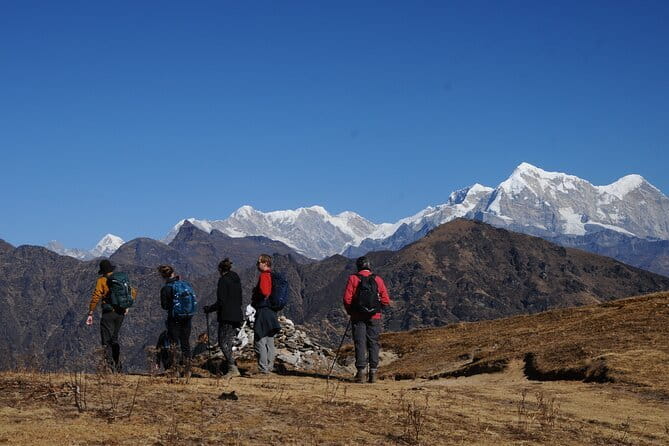
Pikey Peak Trek is interesting because it delivers a big, classic Himalayan payoff without the chaos of the Everest route, no Lukla flight needed. You walk part of the historic Hillary Trail, then finish at the Pikey Peak viewpoint for sunrise panoramas that many people associate with the top of Nepal.
I especially like two things about this trek. First, the days are set up for an easier rhythm, with options that work for seniors and families, and the highest viewpoint is around 4,066 m. Second, the company support seems solid, with Kishwor at the Breeze office and guides such as Sabine (and also Raj in other groups) looking after pace and comfort.
One drawback to consider: you start early, with a 6:15 am meeting time in Kathmandu, and you also spend a lot of the trip traveling by road. That means this is a trek, but it is also a logistics and timing game.
Key things to know before you go
- Sunrise views without Everest crowds: You get the Everest-area drama from a calmer route and a lower-stress approach than the main Everest circuit.
- Hillary Trail walking: It adds meaning to the route, not just miles and meters.
- Tea-house stays with comfortable basics: You sleep in simple lodges along the trail, the kind you can manage without gear headaches.
- Tuptencholing Monastery visit: The largest nun’s monastery in the region (with about 20 nuns) adds a powerful cultural stop.
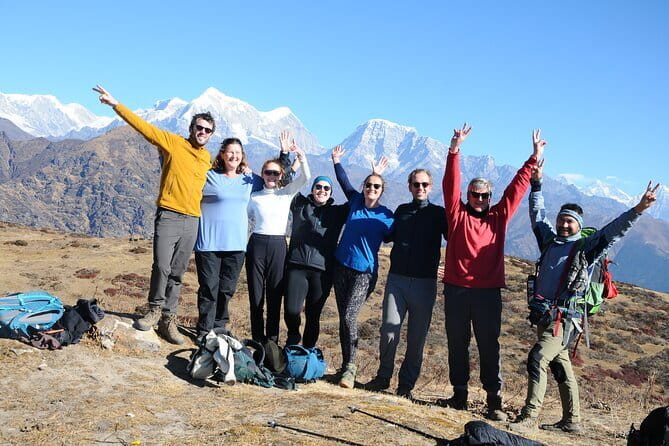
- Small group feel: Maximum 20 travelers helps keep things organized and less chaotic on trail.
- A high payoff at a reachable altitude: Pikey Peak sits around 4,066 m, which is still altitude, but it is not the same pressure as higher summit routes.
Why Pikey Peak is a smart Everest alternative
If your heart wants Himalayan views but your calendar does not want a full-on Everest Base Camp grind, Pikey Peak hits a sweet spot. The route is known for sunrise, and sunrise is when the mountains turn from blurry shapes into clear, layered peaks you can actually name and track with your eyes.
What makes this work well is the combination of big scenery and a manageable walking plan. You do not need to be an elite hiker. It is also not built around the constant, steep scrambling that scares off beginners on some popular treks. Instead, the trek leans on gradual effort, plus a highlight moment where you climb briefly to the viewpoint for the main show.
And the “without Lukla” detail matters more than you might think. You remove one of the biggest friction points of many Nepal treks. A flight can be exciting, but it can also turn into a stress test if weather shifts. Here, the approach starts with drives from Kathmandu into the hills.
More of Pikey Peak:
- Pikey Peak Trekking
★ 5.0 · 5 reviews - Pikey Peak- 9 Days
★ 5.0 · 4 reviews - 4 Days Pikey Peak Trek : The Best View of Mt Everest
★ 4.2 · 4 reviews
Route vibe: peaceful villages, rhododendron colors, and real trail time
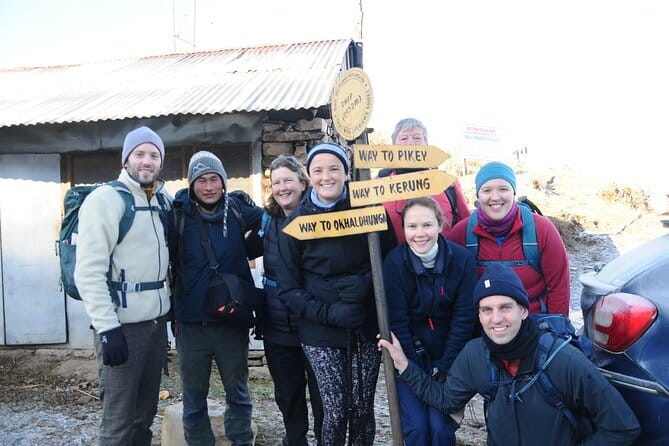
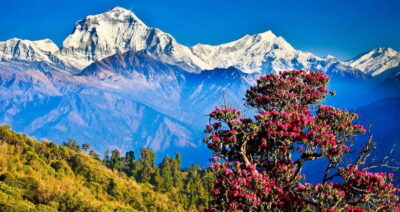
This trek tends to feel calmer than the most famous alternatives. Along the trail you move through village settings that still feel lived-in, with daily life going on behind the lodge doors. You also get forests in season, including blooming rhododendron, which can turn some stretches into a walking postcard.
The best part is that you do not feel like you are “passing through” a tourist corridor. Even in tea-house country, the route can stay quiet enough that you hear your own footsteps and the occasional bird call. That changes the whole trekking mood. You stop for photos, sure, but you also have time to actually look.
You also get a historic and spiritual layer that most people do not expect on a trekking itinerary. Walking the Hillary Trail segment gives the trek a sense of purpose beyond views, and the monastery visit brings you into contact with a community that is doing its own daily work at the foot of a mountain.
The big summit-style payoff: Pikey Peak sunrise panoramas
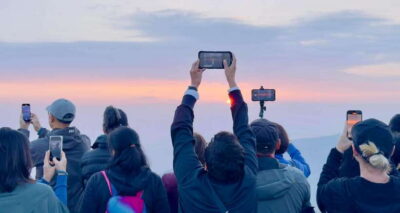
Pikey Peak is the day you remember. You wake early, hike for about an hour, and reach the viewpoint just in time to catch sunrise. That timing is the difference between seeing mountains and watching mountains come alive.
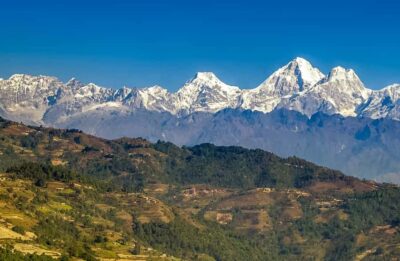
From Pikey Peak, the goal is panoramic views of seven of the world’s highest mountains. You may not identify all of them perfectly, especially if clouds roll in, but that is not the point. The point is the sweep of the range and the feeling that you are looking at Nepal from a vantage that is both dramatic and accessible.
A bonus: one review specifically called out the sense of seeing a wide set of peaks from around 4,066 m. So you get “I went high” satisfaction without living on the edge of extreme altitude the way taller routes can.
Getting there from Kathmandu: the road trip that sets your stamina
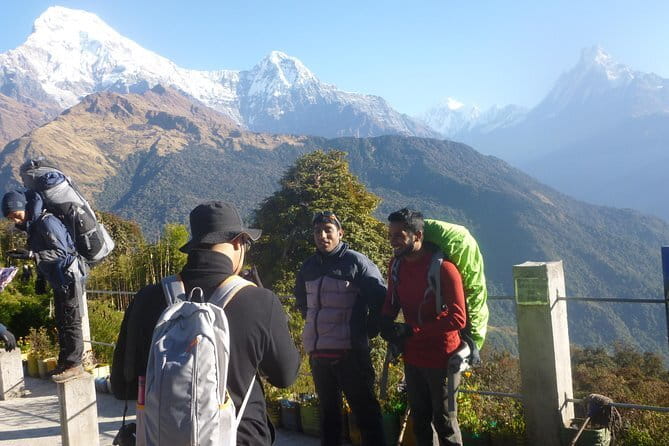
Most treks in Nepal start with a flight or a long internal transfer. Here, the opening move is a drive from Kathmandu toward Dhap. Expect scenic Himalayan views along the way, plus glimpses of villages and daily life.
That matters because it gives you a soft start. You are not immediately thrown into steep climbs on day one. You ease into the rhythm. You also get time to mentally shift from city mode to trail mode.
One practical note: the itinerary’s meeting time is 6:15 am in Kathmandu at Breeze Adventure Pvt. Ltd in Thamel Marg. If you stay in the Thamel area, you can make it easy. If you are farther out, plan for extra buffer, because morning traffic can be unpredictable.
More to compare around Kathmandu
- Kathmandu: 7 UNESCO Sites with Lunch
★ 4.8 · 744 reviews - Everest Base Camp Helicopter Tour landing at Everest View Hotel
★ 5.0 · 668 reviews - Kathmandu: Local Women-Led Nepali Cooking & Momo Class
★ 4.9 · 360 reviews - Manaslu Circuit Trek
★ 5.0 · 292 reviews
Day-by-day: what you can expect (and where the effort comes in)
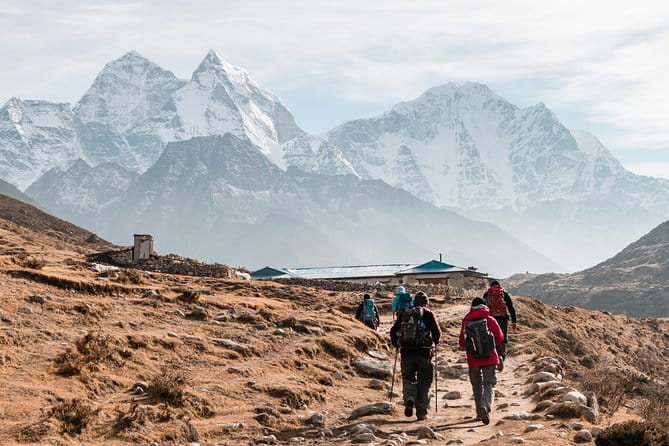
Day 1: Kathmandu to Dhap, settle in and start slow
You begin with a drive from Kathmandu to Dhap. The day’s job is mostly transition, not grinding. The route offers mountain views and village scenery, so it feels like part sightseeing, part logistics day.
What I like about this structure is that your first contact with Nepal’s mountains is gradual. You get oriented before your first trek steps.
Day 2: sunrise mountain views, then an easy trek to Jhapre
You wake up to early views of the Himalayas and enjoy breakfast, then begin trekking toward Jhapre. This day is described as easier, with parts of the route running largely along a newly constructed road.
That can be a good thing if you are nervous about day one. It also means you get walking time without the constant, punishing slope. The tradeoff is that road-adjacent walking can feel less wild than forest and ridge hiking. Still, it helps your legs adjust before the steeper days.
Day 3: to Pikey Peak Base Camp, mostly uphill with some relief
Day three turns the effort up. After sunrise views and breakfast, the trek heads to Pikey Peak Base Camp. Expect it to be mostly uphill, with some downhill sections mixed in.
This is where you start feeling the trek as a trek, not just a scenic hike. If you are not used to steady uphill, pace matters. Keep your breathing calm, take short breaks, and do not chase speed.
The payoff is that you are building toward the viewpoint day, so every uphill step has a purpose.
Day 4: the highlight morning, Pikey Peak viewpoint climb
This is the “wake up early” moment. You hike about an hour to reach Pikey Peak for sunrise. After that, you spend time absorbing the panorama of major Himalayan peaks.
If you care about photography, this is your anchor. If you care about just seeing the mountains clearly, this is also your anchor. Either way, treat the climb as a warm-up, not a workout goal. The goal is the view, and sunrise is the schedule.
Day 5: down toward Junbesi, village-to-village walking
You trek toward Junbesi. The plan includes time to enjoy the Himalayan breeze and breakfast before you move. Like many treks, this day blends gentle moments with steady walking.
There is also a route variation depending on where you stayed earlier. If you were in Jasmane Bhanjyang, you may first trek to Taktor for about 3.5 hours, then continue on to Junbesi. That flexibility can be helpful because it adjusts the day to your exact lodging situation.
Day 6: Phaplu-area transfer and Tuptencholing Monastery
After breakfast, you head toward the Phaplu area. Along the way, you visit Tuptencholing Monastery, described as one of the largest nun’s monasteries in the region.
The monastery sits at the foot of a mountain and is home to around 20 nuns. This is not just a photo stop. It is a chance to slow down and witness a living religious community, one that is separate from the tourist rhythm of tea-house trekking.
If you like cultural stops that feel grounded, this is a strong day.
Day 7: return drive toward Kathmandu, with a breakfast stop
The final day is a long drive back. The plan starts early because the drive from Phaplu to Kathmandu can take time. After about two hours, you stop at Dhap Thade for breakfast and mountain views.
Then it is the ride back to the meeting point in Kathmandu. The last day always feels a bit like a recovery day, because your body is ready to relax even if your mind still wants more trail.
Price and value: is $899 a fair deal for this trek?
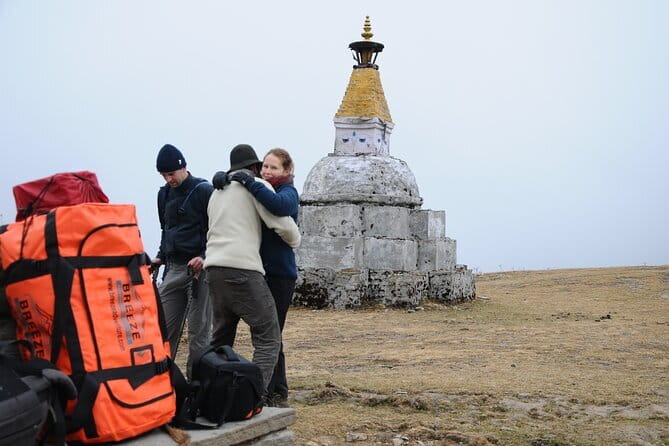
At $899 per person, the key question is what you get that you would normally pay for yourself.
Here, your price covers a lot of the “reduce my stress” parts of Nepal travel:
- Meals are included for most days, including breakfast seven times, lunch seven times, and dinner six times.
- There is WiFi on board, which is useful for getting through messages and maps.
- Logistics run through Breeze Adventure Pvt Ltd, with a maximum group size of 20.
It also helps that this is not a do-it-yourself style itinerary. Tea-house trekking can be simple, but coordinating route timing, transfers, and day-to-day decisions can quickly turn into a headache. You also get access to guides and local support, and the reviews highlight strong guidance, including help from Kishwor at the office and professional, caring guides like Sabine or Raj.
One item to factor in: fuel surcharge is not included. That can affect your final total, so check the fine print before you book.
Overall, for many people, paying for organized meals, transfers, and guidance is what makes the trek feel doable instead of stressful. If you already enjoy independent trekking and you have local contacts, you might do it cheaper. If you want fewer moving parts and a smoother experience, this price is easier to justify.
Tea houses and meals: what “comfortable basics” means in practice
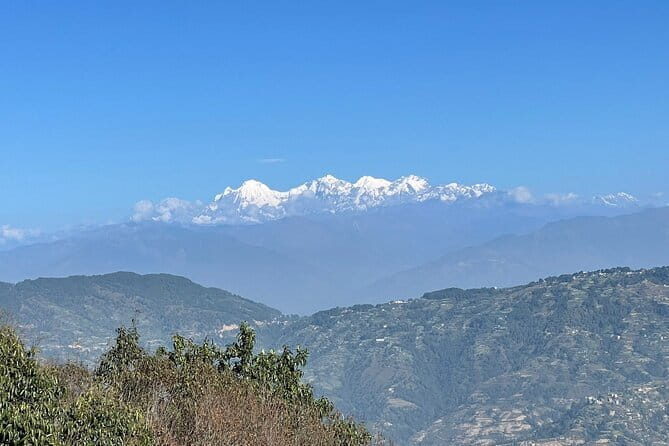
You do not get luxury hotel comfort on this route, and it is not trying to sell you that dream. You stay in tea houses, which are the standard trekking lodging style in Nepal.
What you should expect is a warm, simple place to sleep, with food that is built for trekkers and timings that match the trail. Reviews call out tea-house comfort as a positive, and they also mention meals being a good part of the overall experience.
The practical advantage of tea houses is that you do not have to carry everything for the entire trip. You pack for the trek itself, and your day-to-day needs get handled.
Guides and small-group energy: the difference between hard and manageable
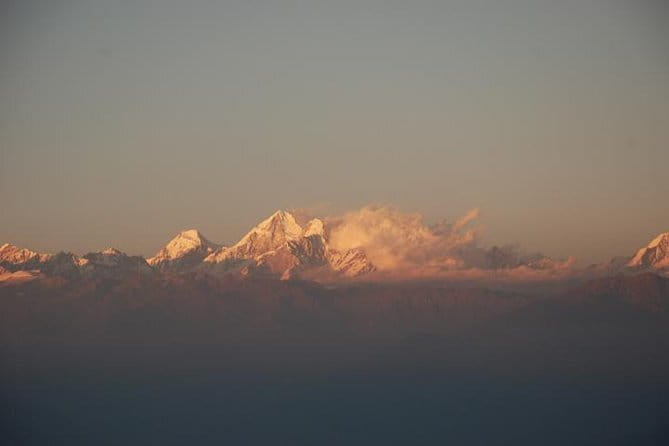
One of the most praised parts of this trek is guidance quality. People specifically mention Kishwor at the Breeze office for having quick answers and planning support. On the trail, guides such as Sabine and Raj show up in reviews as professional, energetic, and focused on pace.
You also see porters mentioned, including Amrit, which matters because trekking is harder when you are carrying too much. Even if you carry less than you would on a DIY trek, having a porter or structured load plan can reduce strain.
Because the group is limited to 20, things tend to feel orderly. You are not stuck waiting endlessly for people who are off pace. That helps your trekking days feel smoother.
Who this trek suits best, and who should think twice
This trek is a strong match for people who:
- Want Everest-level views without doing a high-stress Everest itinerary
- Prefer a trekking route that can be manageable for seniors or families
- Like sunrise viewpoints and calm trail energy
- Want a cultural stop that goes beyond a quick market photo
It might be less ideal for people who:
- Hate early starts and long road days, since you meet early and spend significant time in transit
- Want the wildest, most remote feel every single day, since parts of the route can run along road and not every stretch is wilderness hiking
- Are very altitude-sensitive. The peak is around 4,066 m, which is lower than many big routes, but altitude still matters.
The good news is that the itinerary’s structure supports a range of fitness levels, and the guides seem tuned into pacing and physical condition.
How to prepare so you feel good at sunrise
Pikey Peak is about morning timing, so your prep should focus on staying fresh early.
Bring layers. Mountain weather can shift fast. You want a warm layer for the early morning climb, plus something breathable for walking once you warm up.
Hydration matters too. Tea-house trekking is easy compared with carrying everything, but you still need to drink enough during uphill days.
Finally, plan your expectations for the “easy” days. Easier still means hiking. You will feel it in your legs, especially after day three’s mostly uphill stretch.
Should you book Pikey Peak Trek?
Book this trek if you want:
- Big Himalayan sunrise views with less crowd pressure than the famous Everest routes
- A route that blends trekking with Tuptencholing Monastery culture
- An organized, guided experience with meals handled, group size capped, and support from Breeze Adventure
Pass or look for alternatives if you strongly prefer:
- Only off-road, remote hiking every day
- A vacation with minimal early mornings
- No altitude concerns at all
If you are trying to see Everest-area peaks without getting pulled into the full Everest machine, Pikey Peak is one of the better ways to do it.
FAQ
How long is the Pikey Peak Trek?
The trek runs for about 7 days.
Where does the trek start and when?
It starts at Breeze Adventure Pvt. Ltd in Thamel Marg, Kathmandu, with a start time of 6:15 am.
What does the tour include for meals and WiFi?
Meals are included: breakfast is included 7 times, lunch 7 times, and dinner 6 times. WiFi is included on board.
What is not included in the price?
Fuel surcharge is not included.
What is the maximum group size?
The tour has a maximum of 20 travelers.
Is there a mobile ticket?
Yes, the tour features a mobile ticket.
What is the cancellation window for a full refund?
You can cancel up to 24 hours in advance for a full refund.
Latest Kathmandu write-ups
- 16 Days Island Peak Climbing With Everest Base Camp Private Trip★ 5.0 · 3 reviews
- Private Nepal round trip including Ghorepani Poonhill trek★ 5.0 · 3 reviews
- Everest Base Camp Trekking 16 Days★ 4.0 · 7 reviews
- 15 Days Round Annapurna Trek with Poon Hill from Pokhara★ 5.0 · 5 reviews
- 14 Days Luxury Annapurna Base Camp Trek★ 5.0 · 6 reviews
- Everest Base Camp Trek★ 5.0 · 32 reviews
- Everest Base Camp Trek★ 5.0 · 87 reviews
- Everest Base Camp Trek★ 5.0 · 97 reviews
Hiking & Trekking, compared.
Nagarkot Sunrise and Hike Tour to Changu Narayan
Read our review →
4-Day Ghorepani, Poonhill & Ghandruk Mountain Trek
Read our review →
Browse the lists this tour appears in