
Reviewed · 4-DAY EXPERIENCES
4 Days Pikey Peak Trek : The Best View of Mt Everest
What makes the Pikey Peak trek interesting is how it gives you a real taste of the Everest region without the big, crowded trek machine. You are still hiking in the Lower Khumbu, but the vibe is calmer, and the views are the headline.
I especially like two things. First, the chance for sunrise above Pikey Peak at 4,065 meters, when the Himalaya can look unbelievably close. Second, the route mixes mountain scenery with everyday Sherpa culture, including stops in Tibetan-influenced places like Kerung and quiet monastery areas.
The one drawback to plan for is practical: the drive is long. You will spend a good chunk of your time on the road going from Kathmandu to Dhap and back, and the lodge comfort is basic, not “hotel comfort.”
Key things that make this trek worth your time
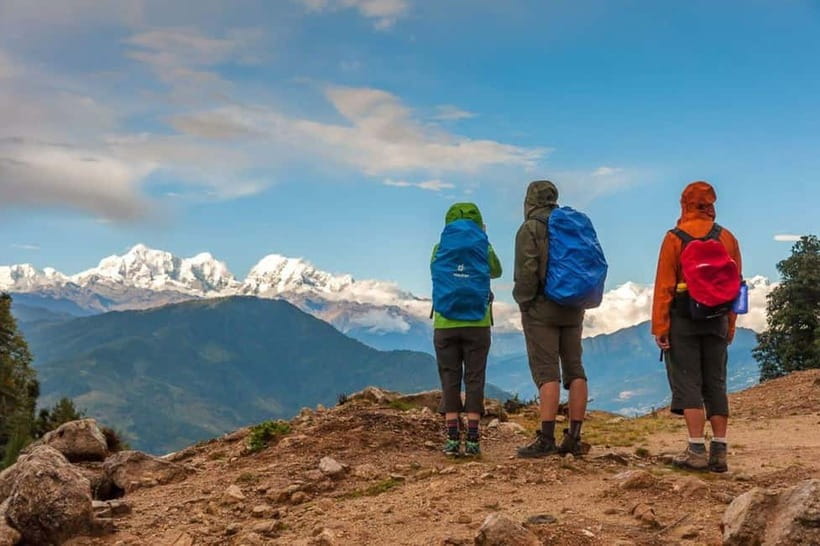
- Everest sunrise from Pikey Peak (4,065m) with wide panoramic views
- Lower Khumbu culture stops, including Tibetan-influenced Kerung and monastery areas
- A short Everest-view trek close to Kathmandu, great when you cannot do a long expedition trek
- Big-view day pacing, with a summit push that is short enough for many first-timers
- Lodges in Jhapre and base camp style stops, basic but cozy, with breakfast included
Why Pikey Peak is the Everest View You Can Do in 4 Days
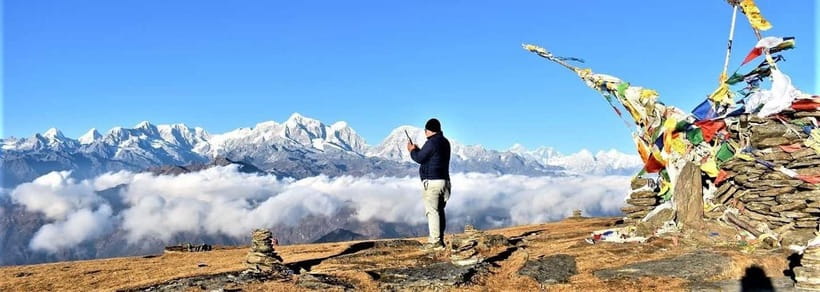
If you want Everest views but you have limited time, Pikey Peak is a smart compromise. You are not chasing glaciers at extreme altitude. Instead, you are moving through Sherpa countryside, with rhododendron forests and alpine meadows, and then finishing with a summit view that feels like a front-row seat.
The “why” matters. On this trek, the big sights are built into a short itinerary. That means you spend more time outside and less time waiting around. And if weather cooperates, you are going to see a serious range of peaks, including Everest, plus Dhaulagiri and Kanchenjunga.
This is also a good trek format if you like photography and birdwatching. The route’s altitude and vegetation changes can give you different views and wildlife opportunities in just a few days.
More of Pikey Peak:
- Pikey Peak Trek
★ 5.0 · 8 reviews - Pikey Peak Trekking
★ 5.0 · 5 reviews - Pikey Peak- 9 Days
★ 5.0 · 4 reviews
The long Kathmandu to Dhap drive, and why it matters
A lot of people underestimate how much the “getting there” affects the whole experience. Here, the transfer runs about 8 hours each way. That is not a deal-breaker, but it does shape your energy for day one and day four.
The upside is that you are driving through varied terrain and village country on the way out, including stretches along the Sunkoshi River. The start feels like a proper journey, not just a quick hop to the trailhead.
The downside is fatigue. The trek itself is only four days, so your body has less time to adjust and recover. I would plan on treating the first and last days as “active travel” days, not full-on hiking days. Bring snacks, hydrate, and try to settle your expectations early.
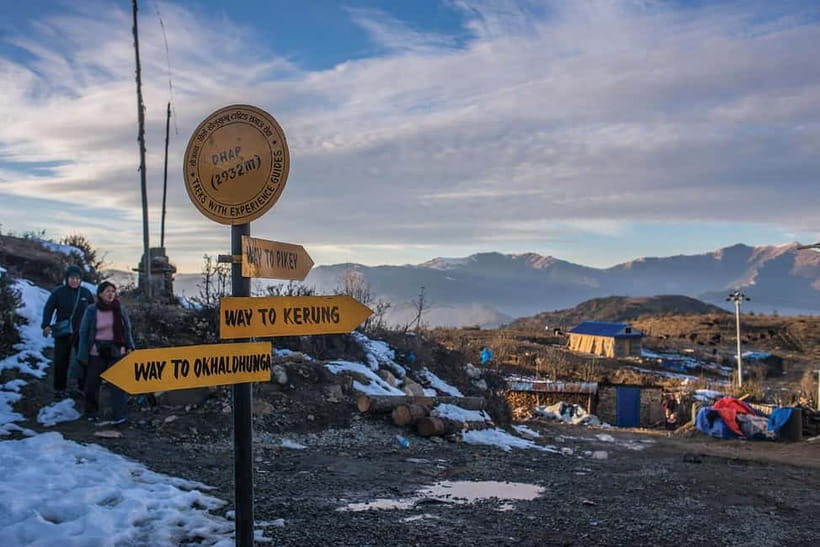
Day 1: Dhap Bazar to Jhapre, monasteries, orchids, and an easy lodge night
Day one begins with a scenic drive from Kathmandu to Dhap Bazar, then a hike onward to Jhapre (2,820m). This part of the route matters because it sets your rhythm. You hike a manageable segment, then you get a real night at a lodge.
On the trail, you pass through the Tibetan-influenced village of Kerung and you can visit Buddhist monastery spots in the area. The information for this trek also mentions wild orchids and Himalayan charm along the way, which is exactly the kind of small detail that makes early trekking days memorable.
Jhapre is where you’ll sleep. Expect teahouse or lodge style rooms, typically twin sharing with blankets. Comfort is basic but functional. You are here to rest and prepare, especially since tomorrow climbs toward a higher high point.
Practical tip: treat day one as your “build a routine” day. Eat something warm, drink water, and set up your layers so you are not fumbling when temperatures drop.
Day 2: Jhapre to Pikey Base Camp, stone walls, stupas, and higher air
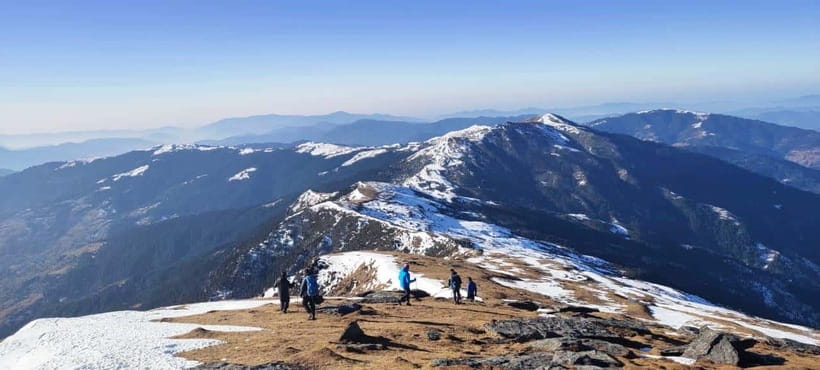
On day two, you trek to Pikey Base Camp (3,640m). The hike takes around 6 hours, which is long enough to feel like a real trekking day, but not so long that you are crushed by time.
The route passes stone walls, ancient stupas, and Buddhist monasteries. Even if you are not a deep culture traveler, these stops help you understand the place you are walking through. You are not just hiking through scenery, you are moving through a living religious and cultural environment.
Pikey Base Camp is described as the second-highest point on the trek, and that is part of its value. It gives you a calmer, higher altitude pause before the summit push. It is also a great day for acclimatization in the only way you can do it on a short trek: go up gradually, walk slowly, and let your body adjust.
What to expect for comfort: lodge style accommodation with breakfast. You will still want a headlamp, and it helps to have a water purification method ready because you will be thinking about hydration over multiple days.
More to compare around Kathmandu
- Kathmandu: 7 UNESCO Sites with Lunch
★ 4.8 · 744 reviews - Everest Base Camp Helicopter Tour landing at Everest View Hotel
★ 5.0 · 668 reviews - Kathmandu: Local Women-Led Nepali Cooking & Momo Class
★ 4.9 · 360 reviews - Manaslu Circuit Trek
★ 5.0 · 292 reviews
Day 3: Summit to Pikey Peak (4,065m) and return, with Everest in the frame
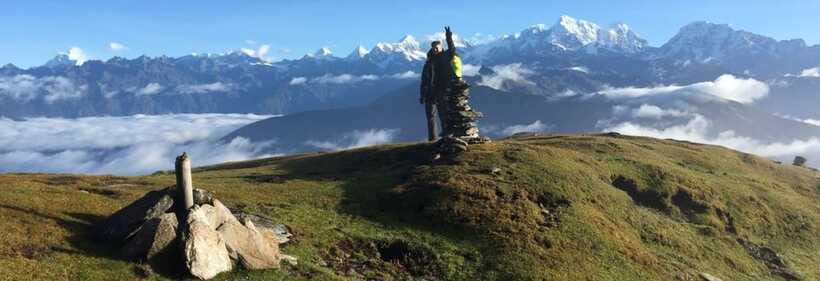
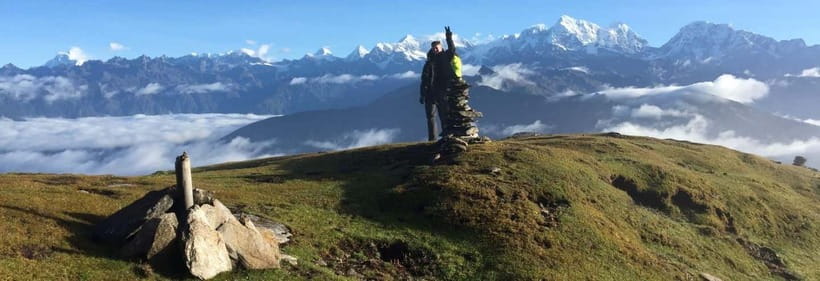
This is the day you remember. You hike to Pikey Peak (4,065m), then descend back toward Jhapre. The summit effort is described as about 1.5 hours to reach Pikey Peak from the base area, which is encouraging for many first-timers. You get the summit without spending an entire day climbing.
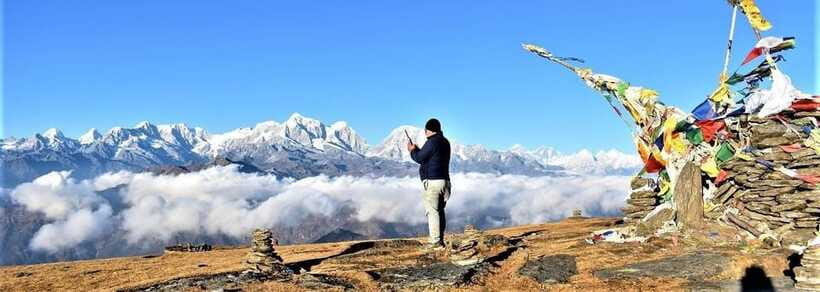
The views are the main event. You are looking across the Himalaya from Kanchenjunga in the east to Dhaulagiri in the west, and you should catch a glimpse of Mt. Everest as well. That wide sweep is exactly why Pikey Peak is famous as an Everest-view trek made easier by the short, focused route.
The trek highlights also emphasize sunrise above Pikey Peak. On these kinds of itineraries, sunrise viewing typically means starting the summit portion very early so you arrive in good light. Even if the exact start time is not your job to plan, it is worth knowing that the best chance for that dramatic view is tied to an early wake-up.
Altitude is still a consideration. The peak is not the highest altitude on Earth, but mild altitude symptoms can happen even at 4,065m. Keep your pace slow, drink water, and avoid alcohol on summit day. If you feel headache or nausea, do not “push through” stubbornly. Tell your guide and adjust.
Day 4: Dhap return and back to Kathmandu, wrap up the views, not the soreness
Day four moves from trekking back to Dhap, then driving to Kathmandu. After breakfast, you trek down to Dhap, then hop in the jeep or van for the long ride back.
This last day is mostly about letting your body recover. You already did the hard part, the summit, so the descent becomes a practical win. You still get movement and fresh air, but it is not a repeat of the steepest effort.
You will be dropped off at your hotel in Kathmandu at the end. It is a nice touch because it removes one of the biggest hassles after a short trek. You can shower, eat properly, and decompress without spending energy figuring out transport.
If you want a small strategy: on day four, keep your pack organized so you are not digging for things at the worst moment. When you get back into Kathmandu, you will likely appreciate how quickly you can go from trek mode to city mode.
Price and value: what $350 includes, and what you must budget separately
At $350 per person for 4 days, the trek is positioned as a short Everest-region experience rather than a fully catered expedition. The included items matter a lot for your overall costs and stress level.
What is included:
- Experienced English-speaking trekking guide
- Necessary permits and government taxes
- Private jeep or van Kathmandu to Dhap and return
- Pick up and drop at your hotel in Kathmandu
- Lodge accommodation during the trek with breakfast
What is not included:
- Meals and beverages
- Porter
- Personal expenses
That “meals not included” is the part you should budget for early. Teahouse food is simple and filling, but it still adds up over four days. Even if you plan to buy meals along the way, you will likely also want snacks between meals.
The porter exclusion is also something I think you should think about realistically. This trek is short, but you still need to carry something, or you need to plan how you will manage your daypack. A small daypack with a rain layer, water, and camera gear is usually the sweet spot. If you pack like you are going on a weeklong trip, you will feel it on day three.
For many people, the biggest value is not just the price, it is that the trek is structured to deliver the key moments. Summit views and cultural stops happen in a tight timeframe.
Lodges, food, and comfort on the trail (the realistic version)
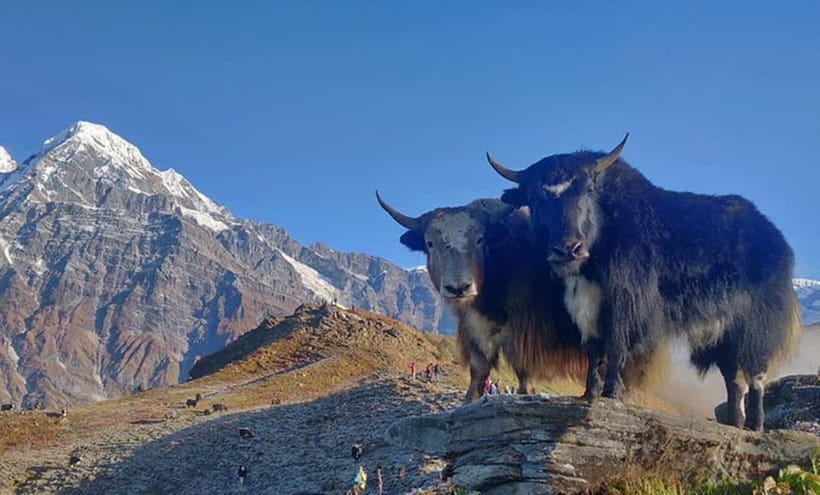
This trek uses teahouses or lodges. Expect basic but cozy rooms, generally twin sharing with blankets. Hot showers are available in some lodges, but the information notes an extra cost, so assume you might pay or you might skip.
Food is typical trekking fare: dal bhat, noodles, soup, eggs, potatoes, Tibetan bread, tea, and coffee. That is good news for your stomach. It is not gourmet, but it is predictable, filling, and easy to digest during a short climb.
Connectivity is limited. The information notes that NTC and Ncell work in most villages, but coverage can be patchy. There are no ATMs on the trail, so bring enough cash in Nepali rupees for meals and any small purchases.
Power is also limited. Electricity is solar or limited, so charge your devices when you can. A power bank helps, especially if you are taking photos on a summit morning when outlets might be scarce.
Altitude tips and what to pack for a short, serious summit day
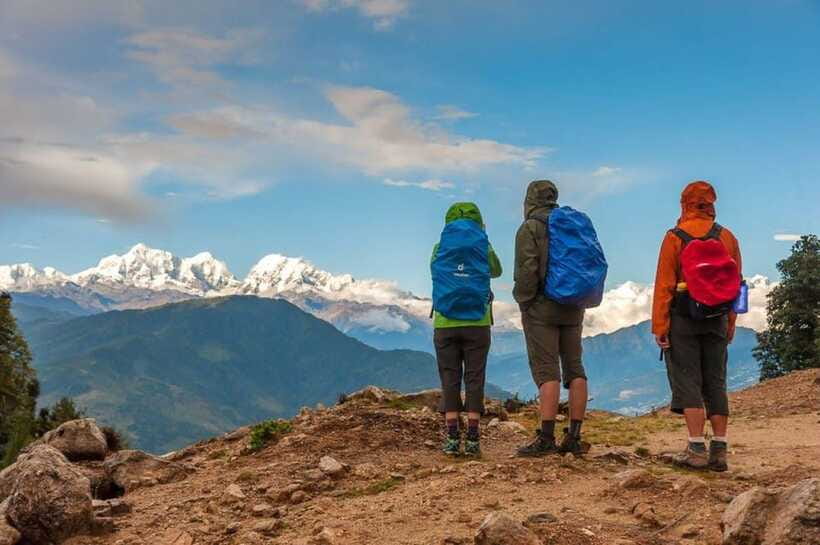
Pikey Peak is considered a moderate altitude summit, but do not treat it like a casual stroll. Mild AMS can happen, and the symptoms to watch for are listed as headache, nausea, and fatigue.
How I’d handle it on a four-day schedule:
- Drink plenty of water from day one.
- Walk slowly, especially on the day you climb highest.
- Avoid alcohol.
- Sleep lower after the summit day.
Your gear list should reflect the conditions can change fast. Pack light but smart:
- Trekking boots that are broken in
- Layering system (base, fleece, down jacket, waterproof shell)
- Gloves, hat, and a buff or scarf
- Sunglasses and sunscreen
- Headlamp
- Water purification tablets or a filter
- Small first-aid kit, including altitude and stomach medicine
- Power bank
You can bring your own sleeping bag if you prefer. Lodges provide blankets, but cold nights happen. Also, think about your camera. You are going to want a reliable strap and a way to keep lenses dry if the weather shifts.
Weather, seasons, and your best chance of seeing Everest clearly
Visibility is everything for mountain views. The trek information recommends:
- Spring (March to May) for rhododendrons and clearer views
- Autumn (September to November) for best visibility and weather
- Winter (December to February) for cold but clear skies
That helps you pick the months if Everest views are your top priority. Even in a good season, clouds can show up. The practical move is to go into the trip with a flexible mindset. The sunrise aspect can be amazing, but you still want to enjoy the trek even if the sky is moody.
Who this trek fits best, and who should skip it
This is one of those treks that hits the sweet spot for people who want the Himalaya on a short schedule.
It suits:
- Beginners who can handle hiking daily at moderate effort
- Families looking for a shorter adventure close to Kathmandu
- Photographers and birdwatchers who want varied scenery and a serious viewpoint
- People who want Sherpa culture and monastery visits without a long itinerary
It is not suitable for pregnant women, based on the provided information. If you have specific medical conditions, I would also check with a doctor before committing, especially because altitude can cause mild symptoms even at relatively moderate heights.
A quick note on guides and the small group size
The trek is designed as a small group, limited to 8 participants, with an experienced English-speaking guide. This group size is not a marketing detail. It affects how fast you can move, how easily the guide can manage pacing, and how well everyone can see the path in morning light.
Past experiences tied to named guides such as Pemba, Sukbir Tamang, and Ngima Chechi Sherpa highlight a common theme: good pacing and a friendly approach that helps you enjoy the trek rather than just survive it. That is what you want from an Everest-view hike that is short, because you have less time to recover between days.
Should you book this Pikey Peak trek from Kathmandu?
If your goal is Everest views with a manageable four-day schedule, this trek is a strong choice. The combination of summit payoff, Sherpa culture stops, and a calmer Lower Khumbu route makes it feel like a real experience rather than a checklist hike.
I would book it if:
- You want sunrise-style Himalaya viewing from Pikey Peak
- You like the idea of lodges and predictable teahouse food
- You are comfortable with a long drive on both ends and want to trade that for a shorter trek
I would think twice if:
- You dislike basic lodge conditions
- You do not want to deal with altitude at all, even mild symptoms
- You expect meals to be fully included and want no extra budgeting
If you want an Everest-region trek that stays practical, keeps the pace reasonable, and still delivers big views, Pikey Peak is one of the best answers for limited time.
FAQ
How long is the Pikey Peak trek?
The experience runs for 4 days.
Where does the trek start and end?
You start in the Kathmandu area with pick up in Thamel, then you drive to Dhap and trek to the trail locations. At the end, you trek to Dhap and drive back to Kathmandu, with drop off at your hotel.
What is the highest altitude on the trek?
The itinerary reaches Pikey Peak at 4,065 meters. Pikey Base Camp is 3,640 meters, and Jhapre is listed at 2,820 meters.
Is this trek suitable for beginners?
Yes. The trek is described as ideal for beginners, families, and anyone short on time.
What kind of views can I expect?
You should get panoramic Himalayan views including Dhaulagiri, Everest, and Kanchenjunga. Sunrise views above Pikey Peak are a highlight.
What are the lodging accommodations like?
You stay in teahouses or lodges during the trek. Rooms are twin sharing, basic but cozy, and you sleep with blankets. Breakfast is included.
What meals are included, and what is not?
Breakfast is included with the lodge accommodation. Meals and beverages are not included.
Does the price include permits and guides?
Yes. The price includes an experienced English-speaking trekking guide, necessary permits, and government taxes.
Is a porter included?
No. Porter service is not included.
Is this trek suitable during any time of year?
The information lists best seasons as spring (March to May) and autumn (September to November) for visibility. Winter (December to February) can also be clear but cold.
Is it suitable for pregnant women?
No, it is listed as not suitable for pregnant women.
Latest Kathmandu write-ups
- 16 Days Island Peak Climbing With Everest Base Camp Private Trip★ 5.0 · 3 reviews
- 15 Days Round Annapurna Trek with Poon Hill from Pokhara★ 5.0 · 5 reviews
- Private Nepal round trip including Ghorepani Poonhill trek★ 5.0 · 3 reviews
- Everest Base Camp Trekking 16 Days★ 4.0 · 7 reviews
- 14 Days Luxury Annapurna Base Camp Trek★ 5.0 · 6 reviews
- Everest Base Camp Trek★ 5.0 · 32 reviews
- Everest Base Camp Trek★ 5.0 · 87 reviews
- Everest Base Camp Trek★ 5.0 · 97 reviews
4-Day Experiences, compared.
4-Day Ghorepani, Poonhill & Ghandruk Mountain Trek
Read our review →
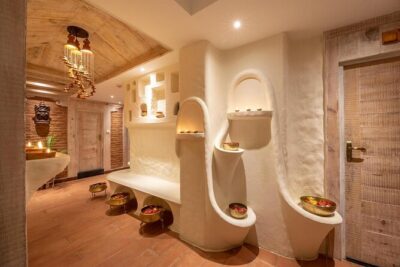
3 night 4 Day Yoga & Ayurveda Retreat to Detox the Body & Mind, Nepal
Read our review →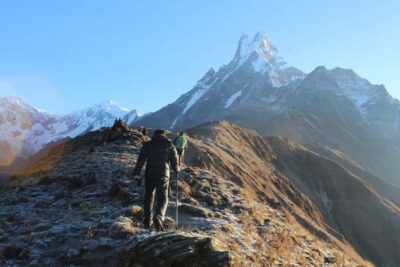
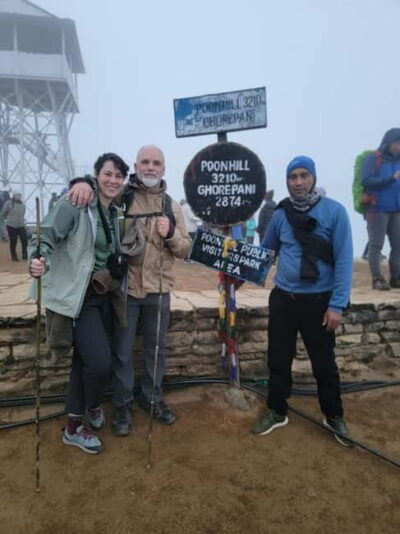
4-Day Beautiful Ghorepani Poon Hill & Ghandruk Trek
Read our review →
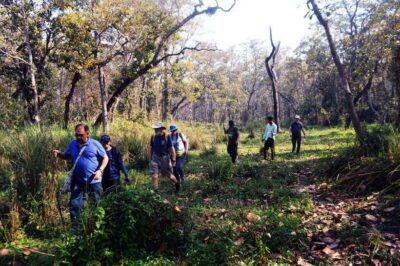
3 Nights 4 Days Chitwan National Park with Tower Night Stay
Read our review →Browse the lists this tour appears in