
Reviewed · EVEREST BASE CAMP TREK
Short Everest Base Camp Trek – 10 Days
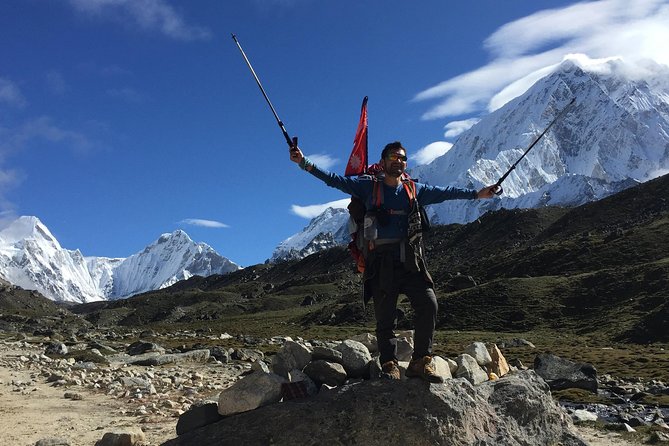
If you want Everest, but you do not have weeks to spare, this Short Everest Base Camp trek is a smart, high-impact answer. In about 10 days, you get Lukla, classic Khumbu villages like Namche Bazaar and Tengboche, plus the big emotional payoff of Everest Base Camp at 5,364 meters.
Two things I really like about this plan are how it keeps you moving through the most meaningful terrain without dragging it out, and how it’s built for comfort at high altitude with teahouse stays and basic gear included. Another plus is the way your team handles key logistics like the national park trekking permit checks and the domestic flights.
One drawback to consider up front: this is still a mountain route at altitude. You will be climbing, sometimes early, and you have to take it seriously if you start feeling altitude sickness symptoms.
Key Highlights You Should Care About
- Lukla flights save you days of driving, and the landing is part of the story.
- Sagarmatha National Park permits are handled with help at checkpoints.
- Tengboche Gompa time gives you real Sherpa culture, not just peak-bagging.
- Everest Base Camp at 5,364m plus overnight teahouses sets you up for the classic views.
- Kalapathar pre-dawn climb for sunrise and a wide 360-degree Everest massif look.
- A small group (up to 15) keeps it manageable in tight trails and tea houses.
Why This Short Everest Base Camp Pace Works
This trek is built for people with a time budget. You are not doing the long, slow approach that spreads acclimatization over many weeks. Instead, you get a focused line through the Khumbu region, with the big sights compressed into about 10 days.
The main value is that you still hit the Everest essentials in a realistic way: getting into the Everest area, spending time where views open up, and reaching Everest Base Camp itself. You also get cultural touchpoints along the way, especially through monasteries and Sherpa villages, which are part of why this route feels different from a generic mountain hike.
There is also a practical reason this format works. When you travel with a guided group, you remove decision fatigue from your day. That matters on a trek where weather, altitude, and trail conditions can shift quickly.
More ways to walk to Everest Base Camp:
- Everest Base Camp Trek – 14 Days
★ 5.0 · 1,499 reviews - Everest Base Camp Trek
★ 5.0 · 842 reviews - Everest Base Camp Helicopter Tour landing at Everest View Hotel
★ 5.0 · 668 reviews
Kathmandu to Lukla: The Flight, Then Those First Stairs
Your trek kicks off with a domestic flight from Kathmandu to Lukla. This is short and famously scenic, and you will be rewarded with big mountain views as you get closer to the Khumbu region. A tip worth taking: ask for the left raw seat if you want the best chance at seeing more of the Himalaya from the air.
Once you land, the first hiking day is all about getting your legs under you. The trail descends from the airport area toward Phakding, starting with stone-paved stairs and then dropping through shaded stretches under rhododendron trees. If you go in spring, rhododendrons can make this early section feel like more than just a downhill warmup.
What to watch for here is not fitness so much as pacing. The first day is easier, but your body is still adjusting. Take it steady, and use the calm morning energy to set your rhythm.
Phakding to Namche Bazaar: Suspension Bridge Day and Permit Check
Day 2 is where the trek becomes unmistakably Khumbu. You leave Phakding and head toward Namche Bazaar, with the trail tracking the Dudh Kosi river much of the way.
This is also the day of repeated suspension bridge crossings. You will cross high bridges over the same river several times, and that gives you a constant sense of depth while you hike. For many people, this is when the trek starts to feel real, not just scenic.
A key logistical moment happens today too: you will need your Sagarmatha National Park trekking permit. Your guide helps you collect it at checkpoints along the trail. This matters because permits are not something you want to scramble for late in the day or misunderstand while you are already tired.
Namche is where the culture and the view mix starts to hit hard. You will feel the hub energy, with trekkers around you and mountain scenery tightening in on all sides.
Namche to Tengboche: First Everest Glimpses and Gompa Moments
On day 3, you start from Namche and trek toward Tengboche, the place many people think of when they imagine the spiritual side of the Everest region.
Early on, you get mountain drama. Even before Tengboche fully opens up, you can spot peaks like Mt. Thamserku. The route also includes a couple of stupas and moments that feel deeply local, including people asking for donations near religious spots.
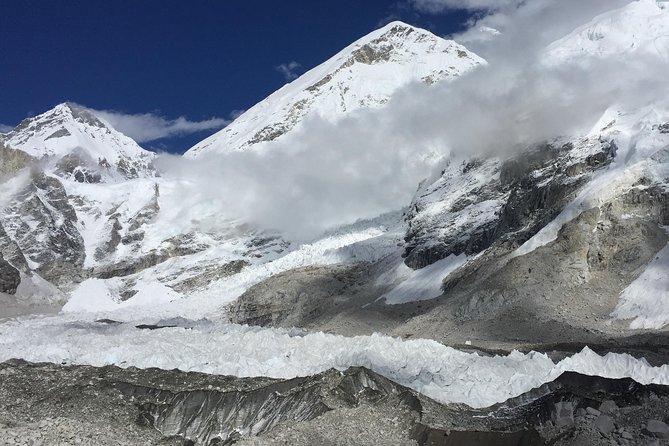
Now comes the good stuff for skyline lovers. As the day continues, you get a first real look at Mount Everest, and you may also see Lhotse and Ama Dablam depending on conditions. This is one of those days where you learn why altitude hikes are as much about timing and weather as they are about walking.
As you approach Tengboche, the trail includes both descents and ascents, and there is a checkpoint just before climbing again where they verify permits. The day ends at Tengboche Gompa, and you are there in the right place for atmosphere, not just photos.
More to compare around Kathmandu
- Private Kathmandu Sightseeing Tour | UNESCO World Heritage sites
★ 5.0 · 756 reviews - Kathmandu: 7 UNESCO Sites with Lunch
★ 4.8 · 744 reviews - Half day cooking class in Thamel kathmandu
★ 5.0 · 607 reviews - Everest Base Camp Trekking
★ 5.0 · 485 reviews
Tengboche to Dingboche: Ridge Views, Village Life, and Barley Fields
Day 4 moves you toward Dingboche, and it’s a classic rhythm of the Khumbu: down to small stops, then up again in gentle steps as the valley opens.
Leaving Tengboche, you drop about 30 minutes to Pangboche, and then the trail becomes flatter for a while. Along the way you pass through villages like Somare and Orsho, with lunch in Somare.
The scenery here matters because it is not only about Everest. You start seeing how the Khumbu communities survive at altitude, with the mountains acting like walls and roofs over daily life. When you reach Dingboche, you notice it right away. Potato and barley cultivation appear in the area, which is a reminder that this is not an empty wilderness.
This day is not the hardest on paper, but it is important. You are getting higher, and the terrain is setting up your body for later, tougher hiking.
Dingboche to Lobuche: Thin Air, Yak Pastures, and Glacier Country
Day 5 is where you pay closer attention to altitude and effort. You continue toward Lobuche via a ridge and then into higher terrain.
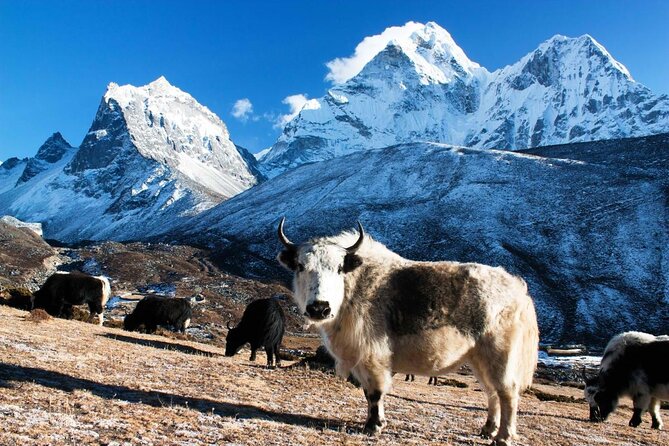
You will pass through yak pastures around Thukla (4,620m) and then climb steeply uphill toward the terminal moraine of the Khumbu glacier. From there, you walk about two hours before reaching Lobuche.
This is also the day where the trek plan explicitly asks you to be careful. Above 4,000 meters, you should walk slowly, drink plenty of water, and watch for altitude sickness signs. And if you feel unwell, the guidance is to get down to lower altitudes as soon as possible.
What I like about this approach is that it does not pretend altitude is a technical obstacle you can push through. It treats it like the serious factor it is, while still moving you toward the finish line.
If you want the best experience on this day, pack your patience. It is a long-feeling walk, and the payoff is that Lobuche becomes the gateway to the Everest Base Camp approach.
Lobuche to Gorakshep and Everest Base Camp: Your Big Payoff Day
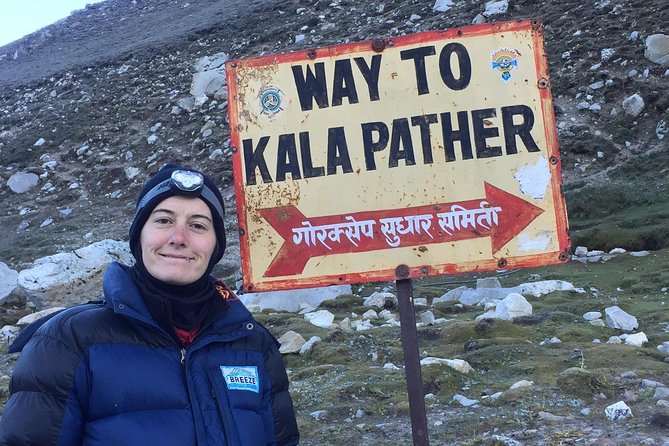
Day 6 is the one you came for. After breakfast in Lobuche, you trek toward Gorakshep, then head out for Everest Base Camp from there.
Early walking from Lobuche to Gorakshep is described as easier, which is useful because it means you can conserve energy. At Gorakshep, you check into teahouses, eat lunch, and leave your pack before starting the final push to the base camp area.
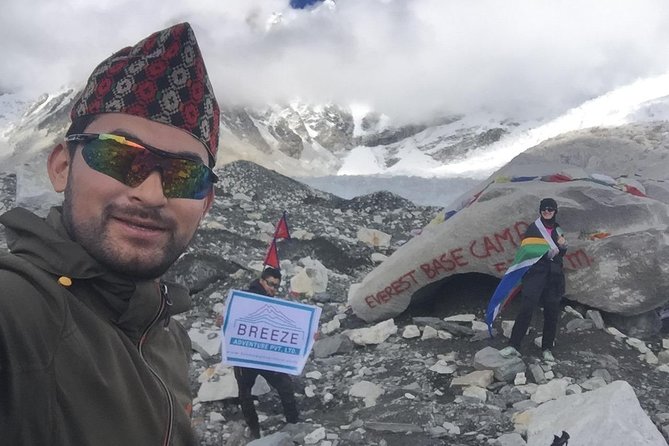
The moment you reach Everest Base Camp at 5,364 meters is the emotional highlight. Even if you have studied Everest for years, being there changes the scale. You see why climbers from around the world treat this area like a springboard, and you feel the excitement in the air.
A practical tip for this day: keep your breathing slow. High altitude makes fast movement feel harder than you expect. Spend time at base camp, but do not turn it into an energy drain. You still need to get back down afterward.
Kalapathar Before Sunrise: The View That Makes the Effort Feel Fair
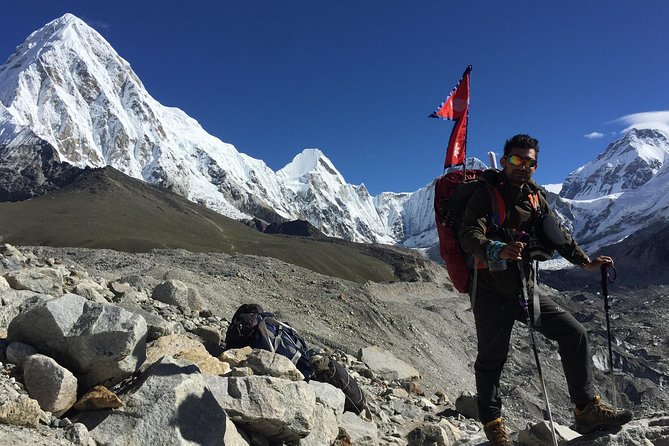
Day 7 is a double hit: Kalapathar for the view, then a descent toward Pheriche.
Kalapathar is the trek’s best viewpoint for Everest. You start pretty early, around 4 am, because sunrise is the point. The climb is difficult, an uphill trek on an icy trail. That means you want real traction and steady steps, not a hurried pace.
When the sun rises, you can get a 360-degree view of the Everest massif. This is where the whole Everest panorama starts to feel complete. After spending time taking photos and looking out over the mountains, you head back to Gorakshep, pick up luggage, and trek down toward Pheriche.
Pheriche is a village with teahouses and guest houses, surrounded by rocky hills that feel close and dramatic. It is a good contrast to the hard early morning climb. You finish the day with the feeling that you did not just reach a point, you also earned a perspective.
The Return Plan: Pheriche to Namche to Lukla Without Getting Reckless
Day 8 brings you back toward Namche Bazaar, with a route that includes Debuche and Pangboche. You often find lunch at Pangboche before continuing on with a climb to Tengboche, then a mix of downhill, river crossings, and another ascent before you settle back into Namche.
This day can feel long because you are hiking in reverse. The good news is that the trail remains beautiful and familiar, and your body starts to relax into the rhythm of it.
Day 9 shifts you toward Lukla. The trail is described as long but relatively easy, with many trekkers moving uphill and downhill at the same time. You will also see people who run to make up time. Here’s the safety note that matters: do not run. The trek guidance specifically warns that running increases injury risk, and accidents happen on the way back.
You will also cross the famous Hilary suspension bridge as you descend from Namche. After lunch at Tok Tok, you keep going until you reach Lukla. Then you get the small comforts of shops and bakeries where you can reset before the flight.
Back to Kathmandu: When Weather Controls the Clock
Day 10 is your flight back to Kathmandu. If weather is good, you take the scheduled return flight from Lukla to Kathmandu and wrap things up smoothly.
If weather is bad, expect possible delays. This is not a dealbreaker, but it is reality in this region, so keep a flexible mindset for your final day.
When you land in Kathmandu, you are done with the trekking grind, but your mind still runs ahead. Everest is not a quick memory. It tends to stay vivid.
Price and Logistics: Is $1,680 Good Value Here?
At $1,680 per person for this 10-day trek, the value depends on what you would otherwise pay and manage yourself. This price includes a lot of the expensive headaches in Nepal: flights to and from Lukla, government-authorized experienced guides, and equipment like a sleeping bag and warm layers. It also includes a first aid kit, service charges, and taxes.
It also includes meals during the trek: 10 breakfasts, 9 lunches, and 9 dinners. That matters because food at high altitude can add up, and you do not want to be figuring out where to eat while acclimating.
The plan also includes local village entry fees and pickup is offered. You get a mobile ticket, which can simplify the handoffs.
What is not included is where you should plan your real extras:
- International airfare to Nepal
- Shower and electronic charging fees at guest houses
- Alcohol, chocolates, tea and coffee
- Tips for guide and porter
So yes, I think this price can be fair, especially if you hate uncertainty. It is the kind of trek where you do not want to save money by trimming safety and logistics.
Who Should Choose This Short Everest Base Camp Trek
This route is best for you if you want a high-percentage Everest experience without committing to a multi-week trek. You should also be a good fit if you are comfortable with moderate physical effort and can handle altitude responsibly.
The trek works well for hikers who have done hikes before, but the instructions only say moderate physical fitness, not elite endurance. Still, you should take it seriously, especially the Kalapathar day and the higher sections near Lobuche.
If you travel with family or older relatives, I would be more cautious, because the plan includes long hiking days and early starts. If you have questions, ask your guide how they pace the group and how they handle altitude symptoms.
Should You Book It
If you want Everest Base Camp in a limited timeframe, I would consider booking this trek. The highlights are well targeted: you hit Lukla, the cultural spine of the Khumbu like Namche and Tengboche, and the two view anchors, base camp and Kalapathar.
I also like that the team is small enough to feel coordinated, up to 15 travelers, and that people like Kishwor have shown up as hosts in prior groups, with guides including Sarki and Ngwang, plus porters such as Pemba getting specific praise for making the trek feel smoother and more human.
Just be honest with yourself about the altitude and the effort. This is not a casual stroll. If you go in with a calm pace, hydrate, and do not run downhill, you give yourself a real shot at enjoying every day, not just surviving the route.
FAQ
What is included in the trek price?
The price includes transportation for the trek, including flights to and from Lukla, government-authorized experienced guides, and all equipment such as sleeping bag and warm layers. It also includes a first aid kit, service charge and government taxes, local villages entry fee, and meals during the trek (10 breakfasts, 9 lunches, and 9 dinners).
What costs are not included?
International airfare is not included. Also not included are shower and electronic charging fees at guest houses, alcohol, chocolates, tea and coffee, and tips for guide and porter.
How do the flights work for this trek?
You fly from Kathmandu to Lukla at the start and return from Lukla to Kathmandu at the end. The itinerary notes that return flights can be delayed if weather is bad.
Do I need a trekking permit?
Yes. The trek plan includes getting your Sagarmatha National Park trekking permit with help from your guide at checkpoints on the trail.
How big is the group?
This trek has a maximum group size of 15 travelers.
What kind of physical fitness do I need?
The guidance says travelers should have a moderate physical fitness level.
Can I cancel for a full refund?
Yes. You can cancel up to 24 hours in advance for a full refund. Cancel less than 24 hours before the experience starts and the amount you paid will not be refunded.
Latest Kathmandu write-ups
- Langtang Valley Trek★ 5.0 · 3 reviews
- Khopra Danda Trek★ 5.0 · 3 reviews
- Langtang Valley Trek from Kathmandu★ 5.0 · 3 reviews
- 5 night / 6 days Kathmandu Nagarkot Chitwan Pokhara tour★ 5.0 · 3 reviews
- Nepal Highlights Tour: 5 Nights 6 Days Kathmandu & Pokhara Tour★ 5.0 · 3 reviews
- Kathmandu Valley Private Day Tour★ 5.0 · 3 reviews
- Kathmandu Heritage Day Tour★ 5.0 · 3 reviews
- Conquer the Himalayas: The Ultimate 16-Day Annapurna Circuit Trek★ 3.5 · 3 reviews
Everest Base Camp Trek, compared.



Everest Base Camp Helicopter Tour landing at Everest View Hotel
Read our review →


Everest Base Camp Helicopter Tour landing at Hotel Everest View
Read our review →
Browse the lists this tour appears in