
Reviewed · EVEREST BASE CAMP TREK
Trek to Everest Base Camp
Everest Base Camp is interesting because it is a high-altitude trek that moves you from Kathmandu comfort to real Khumbu walking, step by step. I like that this plan builds acclimatization into the schedule, with clear rest and higher-altitude days like Namche and Dingboche. I also like the human support element, including an English-speaking guide and a porter system (1 porter for 2 clients), plus direct help on the Kathmandu side from Bimal Dahal and the guide team.
One consideration: the trek hits very high altitudes fast, and your comfort depends on how seriously you take the slower pace and rest days. You also need to budget for what is not included on the trail, since mountain food and drinks are not part of the package price.
Key things to know about this Everest Base Camp trek
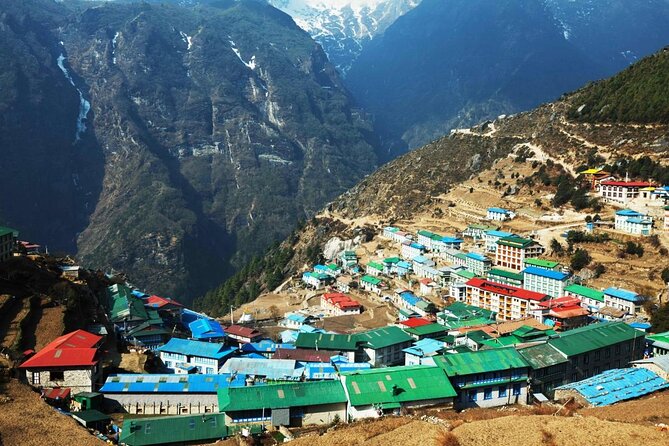
- Acclimatization built in: Namche rest day, plus a Dingboche day with an optional peak hike for altitude adjustment
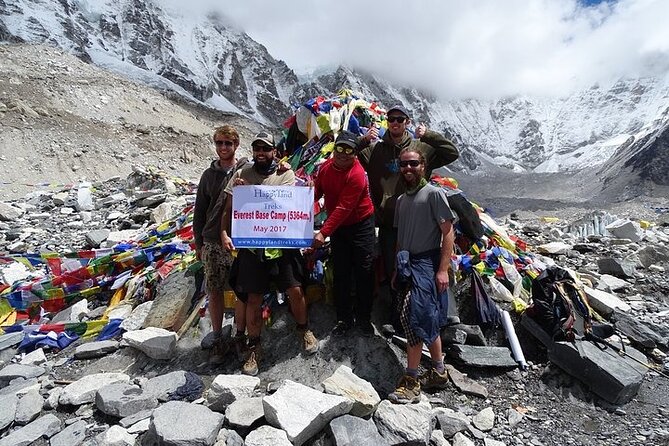
- Real high points: Everest Base Camp around 5,364m, and a summit-style push to Kalapathar at 5,545m
- Tea house rhythm: 11 nights on the trekking trail, with lodging handled so you can focus on walking
- Guides with local reach: Bimal Dahal is repeatedly praised for organizing, with guides named Ngawang, Pramish/Promise mentioned in feedback
- Private group style: only your group participates, not a mixed crowd
- Permits and fees covered: trekking permits, entry fees, and local taxes are included
First steps in Kathmandu, where the trek actually starts
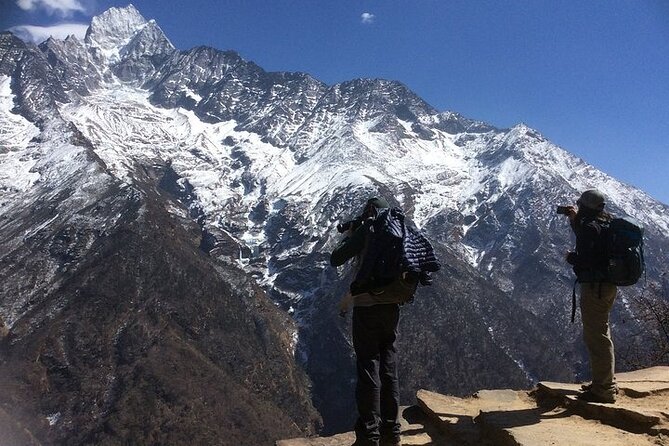
You do not start the Everest Base Camp trek with a cram-session map. You start with Kathmandu. Day 1 is straightforward: you arrive, get transferred to the hotel, then you have an evening briefing so you know how the next days will feel. That matters because the Khumbu is not a casual stroll. You need to understand how flights, permits, walking days, and altitude days connect.
You also get airport pickup and drop by private transport. That sounds small, but it reduces the first-day stress a lot. Kathmandu can be chaotic, and you are better off using your energy for sleep and prep, not figuring out transport.
Your Kathmandu stay is 2 nights with breakfast included. You also get welcome drinks and a farewell dinner, which is a nice way to make the trip feel like a complete package, not just a ticket to the mountains. In the feedback I was able to see, Bimal Dahal shows up as the person who makes Kathmandu easier, including help with restaurants and accommodation choices before your trek begins. That kind of practical local guidance is what you want in a starting city.
One small reality check for high-altitude treks: you might feel restless the night before a big flight or early departure. Try to keep your first days simple, eat light, and get your gear organized. The itinerary is paced with walking times and altitudes, but your body still needs a smooth start.
More ways to walk to Everest Base Camp:
- Everest Base Camp Trek – 14 Days
★ 5.0 · 1,499 reviews - Everest Base Camp Trek
★ 5.0 · 842 reviews - Everest Base Camp Helicopter Tour landing at Everest View Hotel
★ 5.0 · 668 reviews
Lukla flight and the Dudh Koshi valley start: your first taste of the Khumbu
Day 2 is the classic launch from Kathmandu to Lukla. The flight is about 35 minutes, and it is one of the most memorable transitions of the whole trek because you go from city altitude to Himalayan terrain quickly. When you land, the adventure starts right away with a walk along the Dudh Koshi River.
You walk about 8 km, usually 3 to 4 hours, reaching Phakding at around 2,652m. The trail passes stone villages and gives you a first view of snow-topped mountains. This is also your first lesson in how tea-house trekking works. You are not carrying a tent and cooking gear, but you are adjusting to the rhythm of daily walking, finding water sources, and settling into basic mountain facilities.
Day 3 continues the “valley to mountains” shift. You cross Dudh Koshi on a suspension bridge, then pass Monjo Village and head toward the Sagarmatha National Park entrance, where your trekking permits are registered. After that, the day gets steeper and you reach Namche Bazaar for the overnight. This is a key point in the trek because the altitude jump is real: Namche sits at about 3,440m.
What I like about starting this way is that it is not only scenic. It is logistical. You get permits handled properly, you learn the trail’s feel early, and you land in the main hub town before pushing higher.
Namche Bazaar rest day: acclimatization that you can feel in your lungs
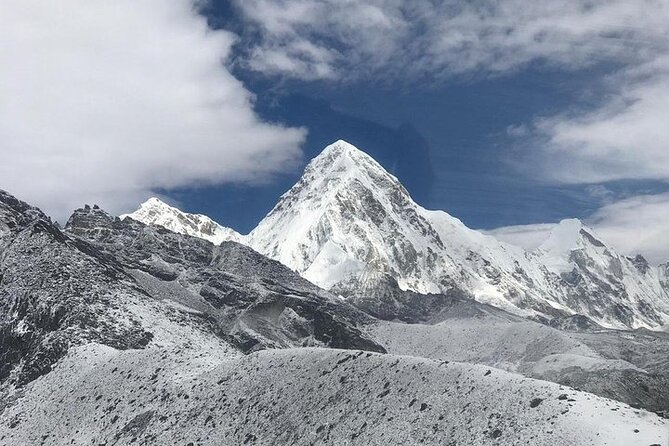
Namche Bazaar is where the trek stops being “just a trek” and starts being an altitude test. Day 3 brings you up into the town, and Day 4 gives you a rest day at about 3,440m.
This is the day you should treat like part of the climb, not a break you ignore. The itinerary specifically gives you a way to get acclimatized: you can explore Namche, or take a 3 to 4 hour hike to the Everest viewpoint hotel. That kind of “walk higher, return lower” pattern is exactly what helps most trekkers adjust before the next big altitudes.
Namche also has a mountaineering history feel. You are likely to see a mix of trekkers, guides, and people who know this region well. The practical win is that you can refuel, ask questions, and get a better sense of the days ahead.
And since altitude affects sleep and appetite, having the schedule hold you in one place for a day is not fluff. It is how you avoid showing up exhausted at Tengboche or Dingboche.
If you want one realistic drawback to plan for: Namche rest days can make people feel good, and that can lead to overconfidence. Stay disciplined. If your body tells you to take it easy, you listen.
Tengboche and Debuche to Pangboche: monasteries, rhododendron, and serious mountain views
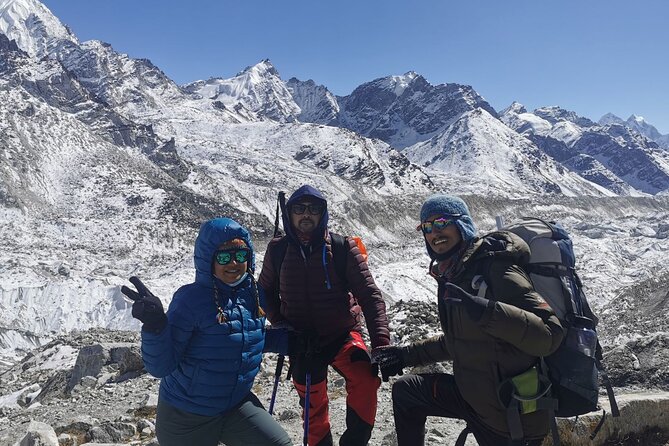
After Namche, the trek turns scenic in a big way. Day 5 climbs toward Tengboche. You are walking about 9.2 km, around 5 to 6 hours, at elevations up near 3,800m. This is also where you reach Tengboche, home to a major Buddhist monastery in the Khumbu region.
Why this stop matters: it is a cultural anchor. High-altitude trekking can feel like a grind, and monasteries offer perspective, calm, and a clear sense of place. The day’s effort pays back with mountain views, but the tone is also different than a purely functional hiking day.
Day 6 continues through rhododendron forest and descends toward Debuche, with views that highlight places like Ama Dablam and surrounding peaks. You pass through Pangboche as well. You end the day at around 4,200m.
If you are sensitive to altitude, Day 6 can feel like it comes with a slow tightening sensation. That is normal at this height. Keep your pace steady, drink water regularly, and avoid sprinting when the trail offers a tempting downhill stretch.
The itinerary keeps moving, but it also gives you enough structure to understand what each day is for. Tengboche is for the cultural and visual reward. Pangboche is for continuing upward without jumping too abruptly.
More to compare around Kathmandu
- Private Kathmandu Sightseeing Tour | UNESCO World Heritage sites
★ 5.0 · 756 reviews - Kathmandu: 7 UNESCO Sites with Lunch
★ 4.8 · 744 reviews - Half day cooking class in Thamel kathmandu
★ 5.0 · 607 reviews - Everest Base Camp Trekking
★ 5.0 · 485 reviews
Dingboche and the push toward the Khumbu Glacier moraine
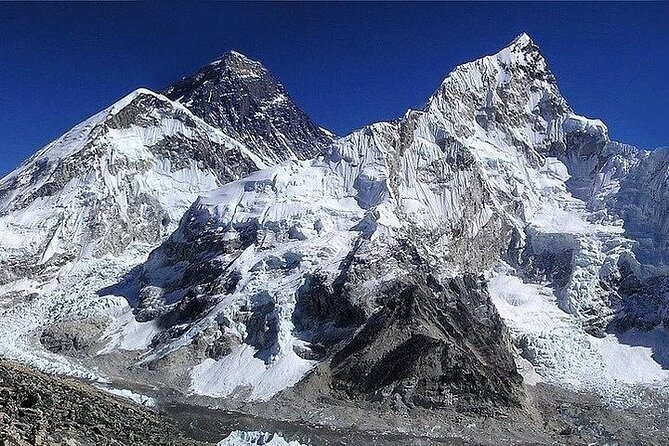
Day 7 is at Dingboche, around 4,900m after a couple walking days that bring you higher. But the key here is the optional acclimatization hike. The schedule gives you a free day to rest at Dingboche, with an optional hike to Nangkhartshang Peak at 5,083m, usually 3 to 4 hours.
This is one of those days where you get to choose your altitude strategy. If you feel strong, the hike can help you acclimatize. If you feel off, you can stay grounded in rest.
Day 8 is the turning point toward the higher glacier terrain. You go up to about 4,900m, walking roughly 11 to 12 km over 6 to 7 hours. The trail ascends steeply on the moraine of the Khumbu Glacier. This is where the trek becomes more demanding in a physical sense and more dramatic in a visual sense.
A practical note for you: glacier moraine terrain can feel uneven and heavy on the legs. Trekking poles help if you use them. The best approach is to keep your steps short and your breathing steady. This part is not about speed.
Gorakshep to Everest Base Camp at 5,364m, then Kalapathar at 5,545m
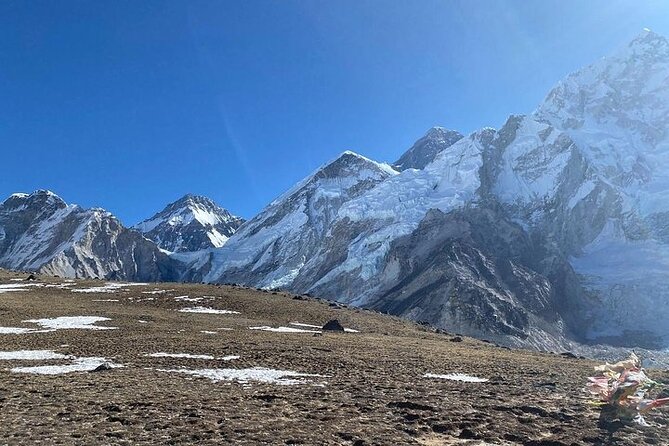
Day 9 is one of the most intense days in the whole trek. You reach Gorakshep at about 5,180m, then continue to Everest Base Camp at around 5,364m. Walking is listed at about 15 km total, around 6 to 8 hours.
The trail from Gorakshep is described as comparatively challenging due to rocky terrain and icefalls. That is a big hint for how you should mentally approach the day: treat it like a hard hiking day, not a casual sightseeing stroll. The payback is arriving at Everest Base Camp, taking pictures, and sitting with the scale of the Khumbu peaks around you.
Day 10 is the early-morning climb to Kalapathar. You start uphill for 2 to 3 hours, reaching about 5,545m. Kalapathar means black rock in Nepali, and it is a classic viewpoint for big views across the glacier and toward Everest, Nuptse, Changtse, and Lhotse.
Then the day turns into a long descent and continued movement. You retrace your steps down to Gorakshep and continue descending to Pangboche. This matters because Kalapathar can be a highlight, but it is also physically costly. If you go too fast up top, your legs might revolt during the descent.
What I like about how this trek is paced is that the base camp visit and the Kalapathar push are separated in a logical way. You do not try to do everything at Base Camp and then instantly climb to the next high viewpoint without time. You still feel tired, but it is built to make sense.
The return to Namche and Lukla: where legs do most of the thinking
After Everest Base Camp and Kalapathar, Day 11 brings a long walk from Pangboche back toward Namche Bazaar. It is around 13 to 15 km, 7 to 8 hours. The route goes via Tengboche for lunch and passes rhododendron and juniper trees along the way.
Day 12 descends to Lukla. You walk about 16 km, usually 6 to 7 hours, following the Dudh Koshi River and crossing several suspension bridges. The schedule includes a celebration with your trekking crew in the evening after you arrive.
This is a surprisingly emotional phase. You have already done the hard altitude days, and now it is the long work of staying focused and walking carefully on the way down. The downhill can be tough on knees, and it can also tempt you to speed up. Keep it smooth.
Day 13 brings the flight back to Kathmandu, about 35 minutes. You wake early for the flight, then transfer to your hotel. You can explore Kathmandu or rest. That Kathmandu cushion is important after 14 days in thin air.
Day 14 is the final wrap: a last stroll or souvenir shopping, then a drive to Tribhuvan International Airport at the scheduled time.
Price of $1,597: when it feels like value, and what you still pay yourself
At $1,597 per person, this trek has a lot included, which is what drives the value. Your package covers:
- Kathmandu stay for 2 nights with breakfast
- Mountain stay for 11 nights in tea houses
- Guide (English speaking) and porter support (1 porter for 2 clients)
- Trekking permits and entry fees, plus government and local taxes
- Welcome drinks and a farewell dinner
- Airport pickup and drop by private transport
There are also details that matter for daily comfort and planning: a trip certificate is included, and there is mention of rewards for achievement points related to EBC.
Now the part you need to budget for honestly. Mountain food and drinks are not included, even though the package includes dinner on the list and includes breakfasts (2). You also have personal costs you should expect: tips for guide and porter, personal equipment, alcohol, hot showers, water bottle choices, cold drinks, hot water, battery charge, and donations. Your Nepal entry visa fee and international airfare are not included either, and travel medical insurance plus emergency evacuation cost are not included.
So is $1,597 a good deal? For this kind of high-altitude trekking, it looks strongest if you want the big items covered: guides, permits, tea-house nights, and organized logistics. It is less ideal if you plan to do a lot of independent add-ons or if you are trying to minimize all extra trail spending.
Who should pick this private Everest Base Camp trek (and who should think twice)
This trek is best for people with at least moderate physical fitness and the willingness to move at altitude. The schedule includes long walking days and very high elevations, including 5,364m at Everest Base Camp and a climb to 5,545m at Kalapathar.
You will also like it if you want structure:
- rest days built in
- a guide handling permits and trail flow
- porter support so you can focus on walking rather than carrying everything
The private tour style is another plus. Only your group participates, so you are not stuck in a mixed pace group where you feel rushed or slowed. That is a big deal on a trek where your pace is part of your acclimatization strategy.
Who might think twice? If you know you struggle with altitude, or if you are not ready to commit to slow, steady movement on steep days. Also, if the idea of paying extra for mountain meals and extras (hot water, cold drinks, battery charging) feels stressful, plan your budget early.
One last practical tip: pack with the porter rule in mind. Since you have 1 porter for 2 clients, your heaviest gear should go into what you plan to share. Keep essentials with you, like layers you need right when the temperature drops.
Should you book Happyland Treks for Everest Base Camp?
If you want a well-structured Everest Base Camp trek with permits handled, tea-house lodging arranged, and a guide team that gets praised for Kathmandu support, I think this is a solid choice. Feedback you can spot in the guide and organizer names, like Bimal Dahal, Ngawang, and Pramish/Promise, leans toward the same idea: people feel looked after, with practical help before and during the trek.
Book it if:
- you want acclimatization days that actually fit the altitude pattern
- you prefer having a guide and permit management rather than chasing details yourself
- you are okay with extra on-trail spending for mountain meals and personal needs
Skip it or compare if:
- you want everything included all the way through mountain meals and drinks
- you are not comfortable managing high-altitude effort with discipline on rest days
One more nudge: this is the kind of trip where early prep in Kathmandu pays off. Use the briefing night well, take the first days easy, and respect your body as altitude climbs.
FAQ
How long is the Everest Base Camp trek with this tour?
It is listed as approximately 14 days.
Where does the experience start and what time does it begin?
The meeting point is Happyland Treks. Nepal Trekking, Everest Trek, South Asia, Paknajol Marg, Kathmandu 44600, Nepal, and the start time is 6:45 am.
Is airport pickup and drop-off included?
Yes. Airport pickup and drop by private transport are included.
How many nights do you stay in tea houses on the trail?
The package includes 11 nights in tea houses on the trekking trail.
Are trekking permits and entry fees included?
Yes. All your trekking permits and entry fees are covered, along with government and local taxes.
What is the highest altitude reached on this trek?
The schedule includes Everest Base Camp at about 5,364m, and a high point at Kalapathar around 5,545m.
Are meals included during the trek?
Mountain food and drinks are not included. Breakfast is included for 2 days, and dinner is included as listed.
Is this a private tour?
Yes. It is described as a private tour/activity, with only your group participating.
Latest Kathmandu write-ups
- Langtang Valley Trek★ 5.0 · 3 reviews
- Langtang Valley Trek from Kathmandu★ 5.0 · 3 reviews
- Khopra Danda Trek★ 5.0 · 3 reviews
- 5 night / 6 days Kathmandu Nagarkot Chitwan Pokhara tour★ 5.0 · 3 reviews
- Nepal Highlights Tour: 5 Nights 6 Days Kathmandu & Pokhara Tour★ 5.0 · 3 reviews
- Kathmandu Valley Private Day Tour★ 5.0 · 3 reviews
- Kathmandu Heritage Day Tour★ 5.0 · 3 reviews
- Conquer the Himalayas: The Ultimate 16-Day Annapurna Circuit Trek★ 3.5 · 3 reviews
Everest Base Camp Trek, compared.



Everest Base Camp Helicopter Tour landing at Everest View Hotel
Read our review →


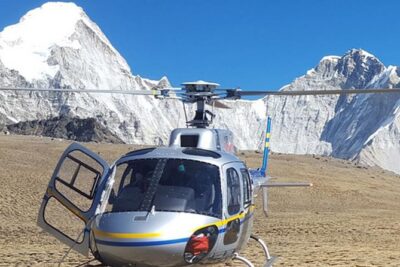
Everest Base Camp Helicopter Tour landing at Hotel Everest View
Read our review →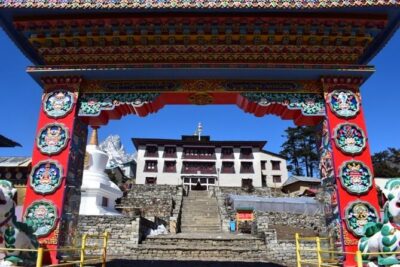
Browse the lists this tour appears in