
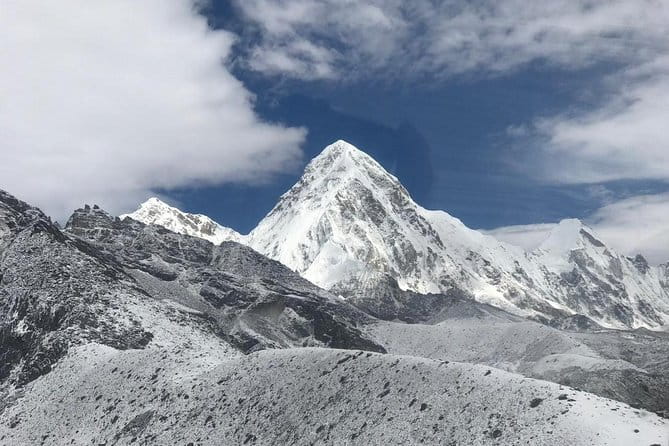
Reviewed · EVEREST BASE CAMP TREK
Everest Base Camp Trek – 14 Days
Everest Base Camp is the kind of trip where the logistics matter almost as much as the altitude. This 14-day route is built around steady hiking, proper acclimatization stops, and a guide who’s trained for mountain emergencies. I like that it keeps the focus on your steps and the views, not on figuring out who does what.
Two things I really appreciate are the small-group size (max 14) and the way porters help with your load for 11 days, so you can hike without turning into a rolling luggage cart. One consideration: the Lukla flight can get rerouted to Manthali (Ramechhap) during peak traffic season, so you should stay mentally flexible about flight day timing.
Key highlights you’ll feel in real life
- Small-group vibe (up to 14 travelers) with first-aid trained, government-licensed guides
- Safer pacing with acclimatization days in Namche and again around Dingboche
- Porter support for 11 days (1 porter for 2 clients) to reduce hauling weight uphill
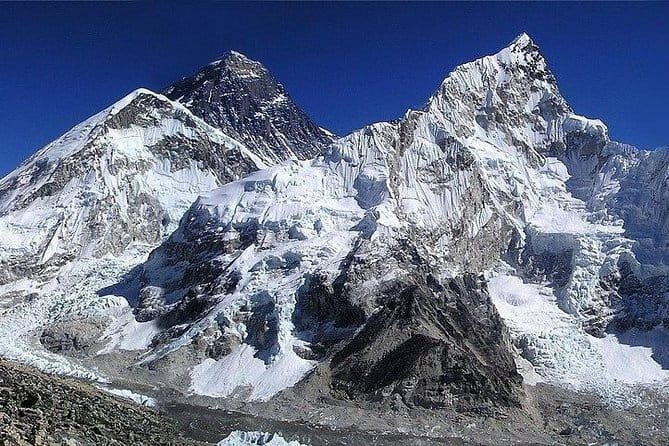
- Kala Pattar (5,555 m) is treated as the peak challenge day, not an afterthought
- Filtered water on the trail using a Katadyn Pocket Water Filter
- Duffel, trekking map, and a completion certificate included (nice extras you actually use)
Everest Base Camp, but with small-group support and real logistics
What makes this trek appealing is the mix of big-picture awe and day-to-day hands-on planning. You’re not just buying miles. You’re getting a guided route, permits, staff on the ground, and a plan for when the mountain gets moody.
This is an intimate trek. With a cap of 14 people, you’re less likely to feel like a number in a long line. That matters on busy days in town and on narrow paths where you want room to breathe and adjust your pace.
The other “behind the scenes” strength is the emphasis on safety and preparedness. You get a first-aid trained, government licensed English-speaking trekking guide, plus a first-aid kit and arrangements for emergency medical evacuation in the worst case scenario. That won’t remove risk from high altitude, but it does mean decisions can be made fast if conditions turn.
One small humor break: you will spend a lot of time thinking about weather and footing. The guide’s job is to keep those thoughts productive, not panicky.
More ways to walk to Everest Base Camp:
- Everest Base Camp Trek
★ 5.0 · 842 reviews - Everest Base Camp Helicopter Tour landing at Everest View Hotel
★ 5.0 · 668 reviews - Everest Base Camp Trekking
★ 5.0 · 485 reviews
Kathmandu pre-trek: transfers, a 3-star base, and meeting your team
You start in Kathmandu at Tribhuvan International Airport. An airport representative meets you with an Ace the Himalaya signboard and transfers you by private vehicle. That kind of pickup is more than convenience. It reduces the first-stress feeling of landing and immediately needing to negotiate transport.
You get two nights in Kathmandu in a 3-star twin-share hotel with breakfast included. That’s a practical amount of time for an altitude trek. It gives you room to rest, sort gear, and do the small admin steps you do not want to rush.
From there, the plan is simple: you fly to Lukla and begin trekking the next day. The tour includes the domestic flight sector Kathmandu to Lukla and back, including the airport departure tax. So you avoid the common headache of chasing domestic tickets after you arrive.
If you’re traveling solo, the tour supports it. The price listed is based on two people sharing accommodations. If there’s no existing group for your date, there’s a solo surcharge of USD 250 if you need a private single-person arrangement.
Lukla flights and the Manthali reroute you should plan for
Day 2 is where you should pay attention. Normally, the trek begins after flying into Lukla (flights are associated with Tenzing-Hillary Airport). But during peak trekking season months like March, April, May, and October, flights can be shifted to Manthali Airport in Ramechhap due to heavy traffic.
That reroute can change how you feel on flight day, even if the trek itself still follows the same overall arc. I recommend packing your patience with the rest of your gear. The best prep is knowing this can happen so you don’t interpret it as chaos.
Luggage weight and what to pack
Domestic flight luggage allowance is 15 kg. Keep that limit in mind when you pack for chilly mornings, warmer layers for midday sun, and a jacket that blocks wind on higher trails. Also remember: personal trekking equipment is not included, so bring the essentials you trust.
If you’re the type who overpacks, this is where you need to be firm. On the trail, you will want lightweight, warm layers you can layer fast.
More to compare around Kathmandu
- Private Kathmandu Sightseeing Tour | UNESCO World Heritage sites
★ 5.0 · 756 reviews - Kathmandu: 7 UNESCO Sites with Lunch
★ 4.8 · 744 reviews - Half day cooking class in Thamel kathmandu
★ 5.0 · 607 reviews - Nagarkot Sunrise View and Day Hiking from Kathmandu
★ 5.0 · 471 reviews
Namche Bazaar acclimatization: Sherpa Museum and the air game
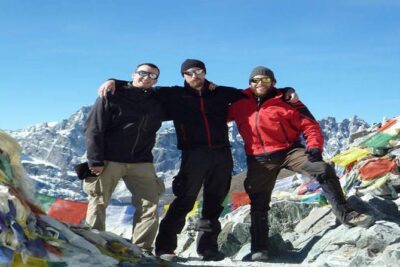
Day 3 has a long trekking day and a classic Khumbu intro. You hike along the Dudh Koshi River with repeated suspension bridge crossings. Prayer flags show up constantly, and you’ll likely feel that change in altitude as the air gets thinner.
You also enter Sagarmatha National Park during this section. That gives the trek an official, protected feel, not just a local footpath vibe.
Then Day 4 is an acclimatization day in Namche Bazaar. Instead of pushing toward Everest Base Camp immediately, you take it easy and do a short trek to the Sherpa Museum. This matters because Namche is where many trekkers start feeling the altitude in a noticeable way. A planned pause helps your body adjust, and it also gives you time to understand the culture around you.
The Sherpa Museum stop is not just “something to do.” Learning the traditional customs of the Sherpa people helps you recognize what you see on the trail, especially in monasteries and village rituals.
Also, this is where I’d suggest you slow your pace mentally. You’re not trying to prove endurance yet. You’re training your lungs to stay calm.
Tengboche Gompa and Dingboche: monasteries, mani stones, and altitude work
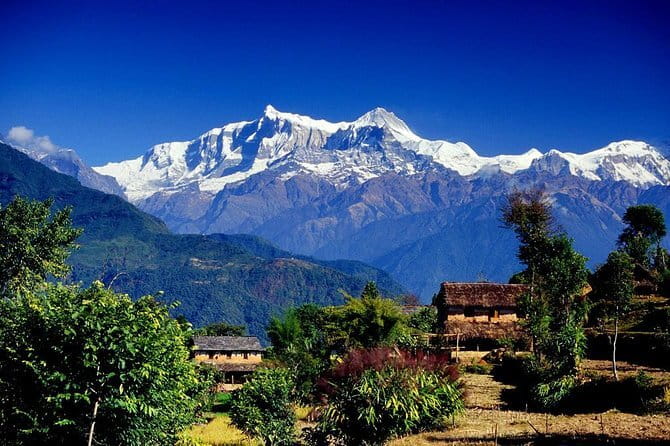
Day 5 takes you toward Tengboche Gompa, reaching an altitude of 3,860 m. This day is about mountain views plus a spiritual stop. Inside the monastery are carvings and incense life that make the cultural side of the trek more than a photo-op.
Practically, Tengboche is where your trekking rhythm starts to solidify. You’ll likely want to hydrate early, eat steadily, and keep your movement smooth. On days like this, half the battle is not going too hard too soon.
Day 6 continues to Dingboche. The route includes a drop to Debuche, another suspension bridge over the Imja Khola, and a climb through Pangboche with thousands of mani stones. That’s a great “you are really here” moment. The stones are a visual reminder that people have lived with these mountains for generations.
Day 7 is another acclimatization day, planned around a hike to Nangkartshang peak just above Dingboche. This is key: you gain altitude in a controlled way, then you return to rest. That pattern helps your body adjust before you move into the glacier zone.
If you’re worried about acclimatization fatigue, this is where your mindset matters. Think of the extra hiking as training your breathing, not as losing time.
Lobuche and the glacier approach to Base Camp at 5,365 m
Day 8 moves you toward Lobuche, and it’s one of those days where scenery and memorials hit you at the same time. The trail follows the lateral moraine of the Khumbu Glacier and passes by stone memorials for climbers who perished nearby.
That stop can be emotionally heavy. It’s also part of what makes Everest Base Camp more than a scenic hike. You’re moving into terrain that serious mountaineers know well, and the memorials are a reminder that altitude is not a theme park.
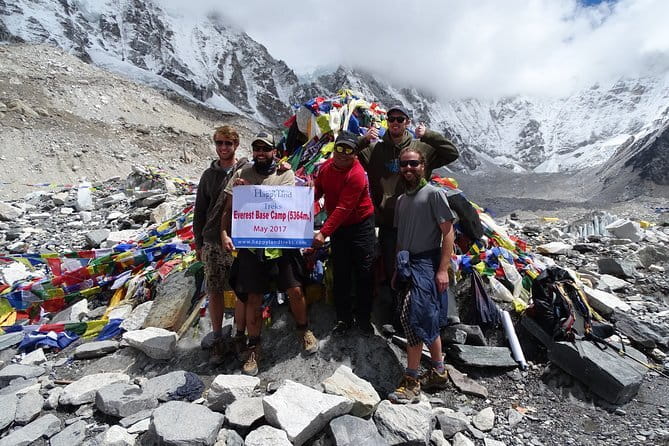
Then Day 9 is the big one: a difficult day walk along the Khumbu Glacier and up to Everest Base Camp at 5,365 m, the closest you can get to Mt. Everest without mountaineering equipment. There’s a reason this day is described as big and difficult. The higher you go, the more even simple effort becomes work.
My practical advice here: pace early, not late. If you wait to start moving carefully, you’ll end up spending the whole day playing catch-up with your energy levels. Also, eat when it’s time to eat, even if you do not feel hungry yet.
Kala Pattar at 5,555 m: the hardest day, and the one you remember
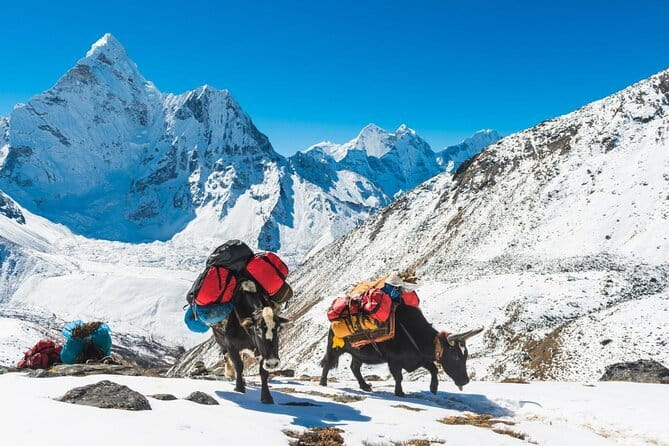
Day 10 is your Kala Pattar day, climbing to 5,555 m. This is often the most challenging day because the ascent is demanding and because you’re already at high altitude by the time you start.
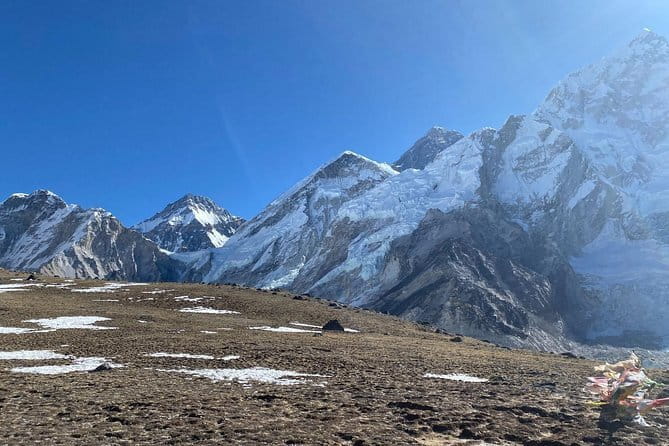
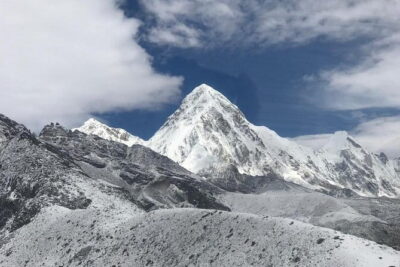
But it’s also the day with the payoff many people come for. You’re high enough to see huge angles on Everest and the surrounding peaks, and you’re doing it with the fatigue of a long trek behind you. That contrast makes the views feel earned.
You’ll likely start in the morning when conditions are best. The best strategy is to keep your steps consistent and avoid sprinting to the top. Save your strength for the last push and for standing still when the view finally lands in front of you.
Returning down: Namche to Lukla and finishing with a final mountain look
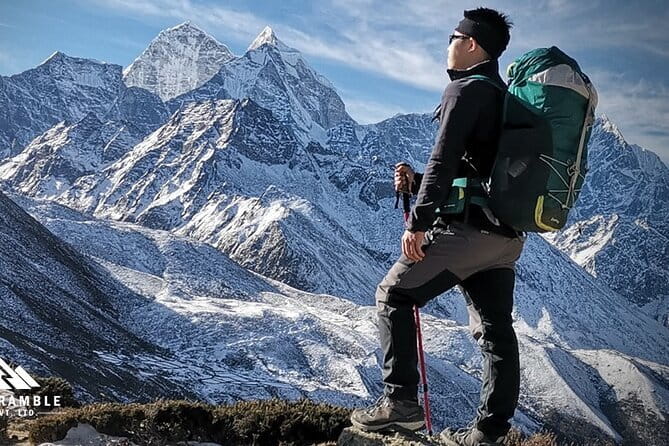
Day 11 turns the corner from high-altitude tension to descending relief. You leave the Everest region and head back through Pangboche and Tengboche before continuing to Namche Bazaar, arriving in the afternoon.
Descending is not “easy mode.” Your legs will still feel it, especially if you started the day with any dehydration or if you’re tired from the Kala Pattar summit effort. Take short steps, hold a steady rhythm, and let your calves hate you a little, then forgive them later.
Day 12 brings the final trekking segment back to Lukla, where the trek began. This day is valuable because it gives you time to reflect as a group and on your own progress. It’s also the moment when the trip starts to feel real as “something you did,” not “something you’re doing.”
Day 13 flies back to Kathmandu with a scenic morning flight and a final transfer to your Kathmandu airport. Day 14 ends at Tribhuvan International Airport.
Value check: is $1,800 worth it for a 14-day Everest Base Camp trek?
At $1,800 per person for about 14 days, you’re paying for more than guides and guesthouses. You’re also paying for the stuff that usually adds up fast in Nepal once you’re there.
Here’s what’s included that drives value:
- Domestic flights Kathmandu to Lukla and back (including airport departure tax)
- Government-licensed trekking guide plus porter support for 11 days
- Twin-share Kathmandu hotel (3-star) for 2 nights with breakfast
- Trail accommodations in Lukla, Phakding, and Namche, with attached toilets listed for those stops
- Everest/Sagarmatha National Park permit plus Pasang Lhamu Rural Municipality fee
- Most meals on the trek (standard breakfasts, lunches, and dinners)
- Filtered water using a Katadyn Pocket Water Filter
- A first-aid kit and emergency medical evacuation arrangements
- Useful gear items: duffel, trekking map, sun hat, and completion certificate (kept by you)
What’s not included, and you should budget for it:
- Travel insurance that covers emergency high-altitude rescue and evacuation
- Tips for guide and porter, which are expected
- Alcohol and other drinks in general
- International airfare and the Nepal visa (visa is described as easy to get on arrival)
- Personal trekking equipment
My honest take: this price feels fair if you want a guided, planned trek with porter help and the flight logistics already handled. If you already have a strong network in Nepal, or you plan to self-guide and self arrange everything, you might spend less. But most people end up spending that savings again in time, stress, and last-minute problem-solving.
Who this trek suits best, and who should think twice
This tour fits best if you want:
- A guided, small-group trek with safety planning
- Real acclimatization time in Namche and around Dingboche
- Porter help so you can focus on hiking
- A structured route to Base Camp at 5,365 m plus Kala Pattar at 5,555 m
The tour also says it’s for travelers with moderate physical fitness. That doesn’t mean it’s easy. It means you should be able to hike daily and manage uphill work over multiple days.
Who should think twice:
- If you hate high-altitude travel with little flexibility on pacing, altitude treks like this may not feel comfortable.
- If you rely on perfectly predictable flight schedules, remember the Lukla to Manthali reroute during peak months.
One more gut-check: bring trekking gear you trust. The tour provides a few helpful items, but personal equipment is your responsibility.
Should you book this 14-day Everest Base Camp trek?
I’d book it if you want a well-run trek that takes care of the big moving parts: flights, permits, guide staffing, porter support, and a realistic acclimatization plan. The small-group limit helps, and the combination of Namche acclimatization plus the Dingboche hike makes the route feel more human than just “go higher, faster.”
I would not book it if you’re determined to cut corners on insurance, or if you expect flight day to be totally routine during peak season. The Manthali reroute is a real thing, and altitude does not negotiate.
If you’re ready to work for the view at Kala Pattar and you’d rather let someone else handle the planning while you focus on your steps, this is a strong choice.
FAQ
How long is the Everest Base Camp trek on this tour?
The trek is about 14 days, starting in Kathmandu and returning to Kathmandu by the end of the trip.
Where does the tour start and end?
It starts at Tribhuvan Airport in Kathmandu. It ends back at the same meeting point, Tribhuvan International Airport.
Is airport pickup included?
Yes. Airport and hotel transfers are included in a private tourist vehicle.
What is the group size?
The tour has a maximum of 14 travelers.
Are domestic flights included?
Yes. Airfare for Kathmandu to Lukla and back is included, including airport departure tax.
What happens if flights to Lukla get shifted?
During peak trekking season (like March, April, May, and October), flights to and from Lukla may be shifted to Manthali Airport in the Ramechhap district due to traffic congestion.
How much luggage can I bring on domestic flights?
The luggage allowance for domestic flights is 15 kg.
What accommodations are included?
In Kathmandu, you get 3-star twin-share accommodation for 2 nights. On the trek, twin-sharing guesthouse accommodation is included in Lukla, Phakding, and Namche, with attached toilets listed for those stops.
What meals and drinks are included?
Standard meals on the trek are included (breakfast, lunch, and dinner). Lunch and dinner in Kathmandu are not included. Alcoholic and other drinks are not included.
Do I need travel insurance?
Yes. Travel insurance is not included, and you should have coverage for emergency high-altitude rescue and evacuation. Tips for guide and porter are also expected.
Latest Kathmandu write-ups
- Visit Swayambhunath and Bauddhanath Stupa with Guide★ 5.0 · 5 reviews
- 10 days Annapurna Base Camp Trek★ 5.0 · 5 reviews
- Langtang Trek from Kathmandu 7 Days★ 5.0 · 5 reviews
- 7 Day Kathmandu Pokhara Tour★ 4.5 · 5 reviews
- Island Peak Climbing with Everest Base Camp★ 5.0 · 5 reviews
- Chandragiri Hill Cable Car Tour with Hotel Transfers from Kathmandu★ 4.5 · 5 reviews
- Everest Mountain Flight★ 5.0 · 5 reviews
- Kathmandu city day tour (4 world heritage sites)★ 5.0 · 5 reviews
Everest Base Camp Trek, compared.
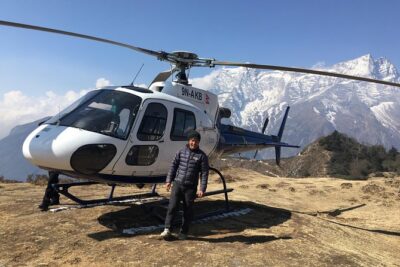
Everest Base Camp Helicopter Tour landing at Everest View Hotel
Read our review →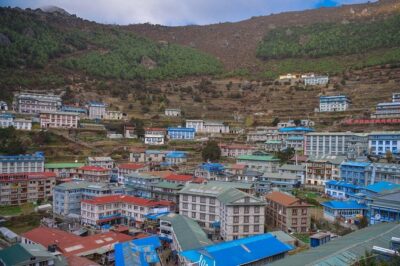
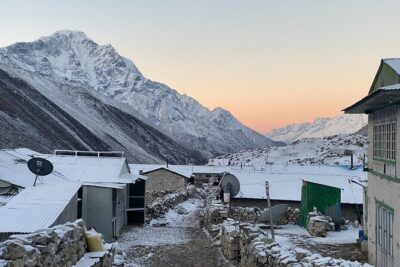
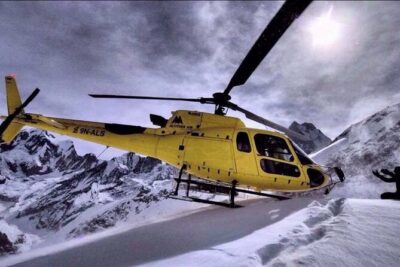
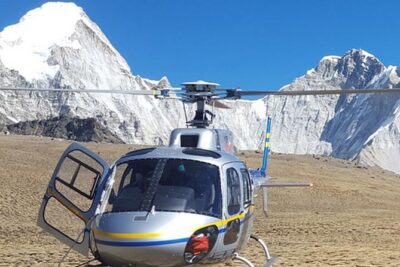
Everest Base Camp Helicopter Tour landing at Hotel Everest View
Read our review →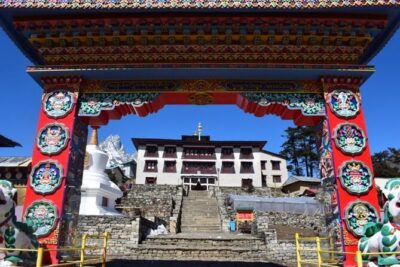
Browse the lists this tour appears in