
Reviewed · EVEREST BASE CAMP TREK
Everest Base Camp Trek with Helicopter Flight Back
Everest Base Camp is famous for a reason, but the real twist here is how you return. This plan gets you up to Kala Patthar for sunrise-style views and then uses a helicopter flight back to Kathmandu, so you are not facing a second long trek downhill. It is a smart mix of big-mountain effort with a built-in time saver.
I like two things in particular. First, the itinerary builds in an acclimatization rhythm, including that extra day around Dingboche before you push higher. Second, the trip takes pressure off gear, with essentials like a sleeping bag, down jacket, and trekking poles listed as included if you need them.
One consideration before you fall in love with the idea is to verify the helicopter portion. The day-by-day plan includes a helicopter flight back, but the price breakdown lists the Gorakshep to Kathmandu helicopter flight as not included, so you should confirm what your booking price actually covers. If you are lucky, you may work with a guide like Surendra and a porter such as Uncle Doma Ghale, and it is also reassuring to see how attentive manager Sobit is described.
Key Things I’d Pay Attention To
- Helicopter return can save your legs, but confirm whether it is actually included in your package price
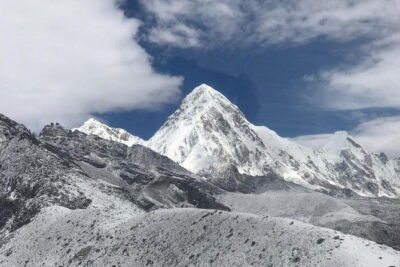
- Kala Patthar is scheduled for an early morning push with panoramic views
- Dingboche acclimatization day includes a hike to Nagarjun Peak before you go onward
- Park and permit fees are listed as included, including TIMS and Sagarmatha National Park entrance
- Gear is largely handled with sleeping bag, down jacket, and trekking poles listed in the inclusions
- Porters are listed as not included, so plan for how you will handle your own load
Everest Base Camp, With a Smarter Finish
This trek is built for people who want the Everest Base Camp experience without paying the time and fatigue tax of a full round-trip trek. You still do the core mountain days on foot, but the helicopter ride changes the ending in a big way.
The practical value is simple: after days in cold air and thin breathing, you get a fast reset in Kathmandu. You are also less likely to end your trip with that heavy, last-day slog that can turn a dream trek into a grind.
The possible tradeoff is that the helicopter depends on the day’s reality, and sometimes the logistics can be messy at high altitude. Your best move is to ask what happens if weather delays the flight, and how they handle lodging if plans shift.
More ways to walk to Everest Base Camp:
- Everest Base Camp Trek – 14 Days
★ 5.0 · 1,499 reviews - Everest Base Camp Trek
★ 5.0 · 842 reviews - Everest Base Camp Helicopter Tour landing at Everest View Hotel
★ 5.0 · 668 reviews
Day 1 in Kathmandu: Pickup, Hotel Night, and a Real Briefing
Your trip starts at Tribhuvan Airport in Kathmandu, with pickup offered. You transfer to a hotel (Thrive or similar) for one night in twin sharing with breakfast, which helps you start rested instead of running on airport energy.
That first evening includes a briefing about the trek. Even if you already know the route, this matters, because it sets expectations for altitude pacing, daily timing, and what you will need for cold conditions on the trail.
You can also expect a cultural show and dinner program in Kathmandu as part of the package. It is a nice way to make the first day feel like more than waiting for Day 2.
The Lukla Flight and First Trek Days: The Momentum Starts Fast
Day 2 is all about flying into Lukla, taking in Himalayan views on the approach. From there you begin the downhill trek to Phakding through alpine forests, with an itinerary day time around four hours.
Downhill on day two can feel oddly easy at first, but it is still effort on uneven ground. If you are carrying your own gear, this is where good foot habits matter, because fatigue shows up later.
Day 3 continues from Phakding to Namche Bazaar, with around six hours on the move. The route crosses the Dudhkoshi River by suspension bridges and goes through Sherpa villages, which is the first time the culture and rhythm of the Khumbu really become visible.
If you like a trek that mixes scenery and people, Namche is a key payoff day. It is also where you start to feel how altitude affects sleep and breathing, even if you are not yet at the highest points.
Namche and the Everest View Point Area: Views and Sherpa Stops
Day 4 mixes rest and exploration. You visit the Sherpa Museum, then in the afternoon hike to the Everest View Hotel area for wide panoramic views of Mount Everest.
This is one of the best days for pacing, because you get a guided, structured way to see the region without stuffing your schedule full of long climbs. I like that the itinerary gives you time to slow down, not just rack up altitude.
On a practical level, Namche also gives you a chance to check your gear, warm layers, and anything you might have forgotten. Lodges in the Khumbu can be very good, but cold will still find the weak spots in your clothing.
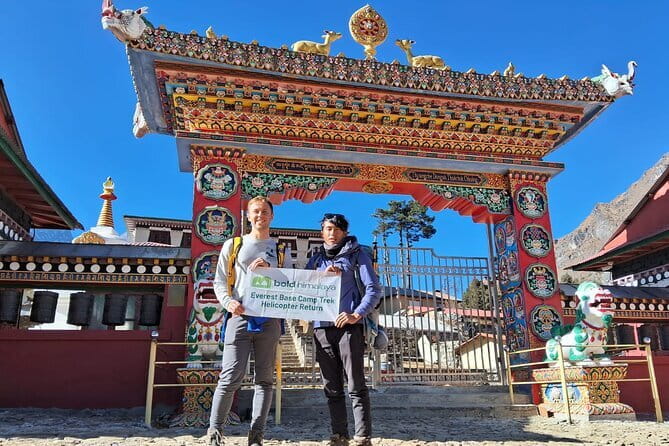
Day 5 takes you onward to Tyangboche for more views of Everest, Lhotse, and surrounding peaks. You also stop for lunch at Phungi Thanga before continuing, with day time around six hours.
Tyangboche is where the scenery feels more “high mountain pilgrimage,” and the trail becomes more dramatic. It is also a day where you learn how quickly weather can change, so keep an eye on cloud cover and wind.
More Helicopter Tours in Kathmandu:
- Everest Base Camp Helicopter Tour landing at Hotel Everest View
★ 5.0 · 218 reviews - Everest Base Camp Trek with Helicopter Return from Gorakshep to Lukla
★ 5.0 · 161 reviews - Everest Base Camp helicopter tour with landing
★ 5.0 · 61 reviews - Everest Base Camp Helicopter Tour with Hotel Everest View Landing
★ 5.0 · 52 reviews
Tyangboche to Dingboche: The Classic Khumbu Route
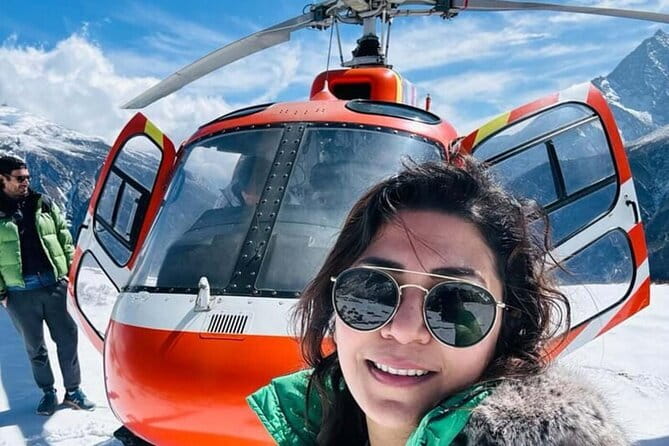
Day 6 treks to Dingboche, including a suspension bridge crossing over the Imja Khola. The route is described through rhododendron forests and small villages like Pangboche and Somare, and the day runs about six hours.
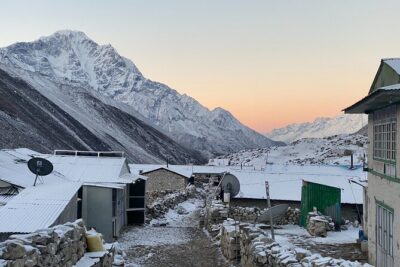
Dingboche is important because it becomes your acclimatization hub. By this point, the cold nights can be intense, and you will feel your breathing slow even on modest climbs.
Day 7 is your preparation day for higher altitudes, with time around five hours. You explore Dingboche Valley and hike up to Nagarjun Peak, which is specifically included to help acclimate.
This is the day I would treat with respect. You do not need to race, and you do not need to treat it like a fitness challenge. You want steady effort so your body adapts before the next push.
Lobuche and Thukla Pass: Memorials and Glacier Country
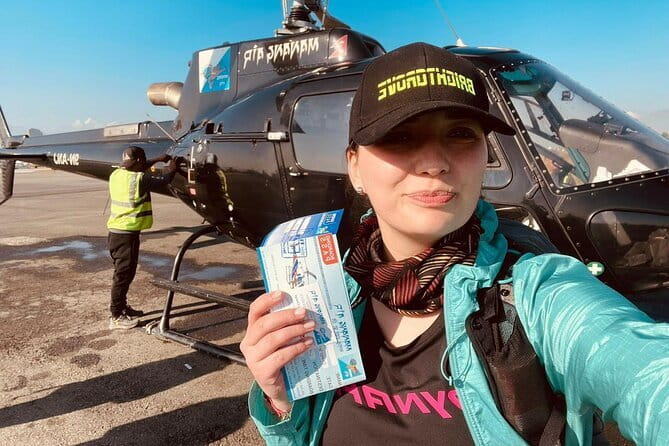
Day 8 takes you to Lobuche (about 4,940m). The route passes Thukla Pass with memorials to climbers, then you reach Lobuche with close-up glacier views and overnight time around five to six hours of trekking.
This day tends to feel different, emotionally and visually. Even if you are not a mountaineer, the memorials make the region’s history feel personal and immediate.
It also gets more severe in terms of wind exposure and cold. I recommend planning for strong layering, because open stretches can chill you fast.
Everest Base Camp Day: Gorak Shep, Icefall Views, and the Payoff
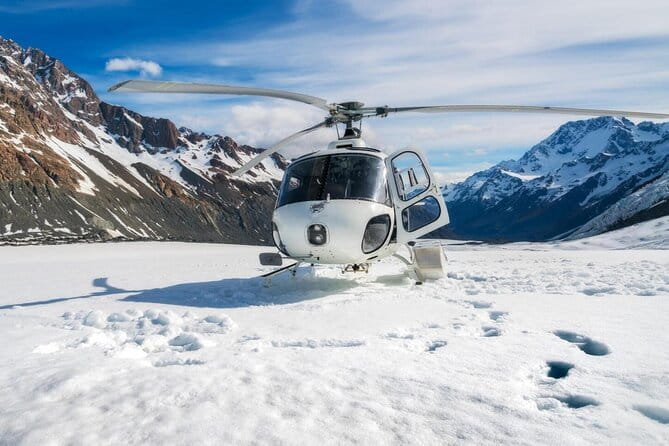
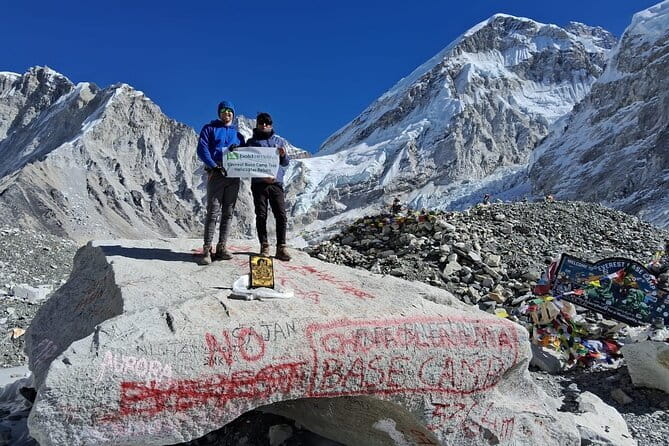
Day 9 is the main event: trek to Everest Base Camp (about 5,364m) and overnight in Gorak Shep (about 5,170m). The day includes trekking to Gorak Shep, leaving your gear, then continuing to Base Camp with views of the Khumbu Icefall, and then returning to Gorak Shep.
Expect this to be one of the longest-feeling days, even if the itinerary time is listed around seven hours. Altitude changes how long everything takes, and the final push can feel slower than you expect.
What makes this day worth the effort is the way it connects everything. You have seen villages and bridges, then suddenly you are in the working world of glacial terrain, where Base Camp becomes more than a name on a map.
Also, note the logistics detail: you leave gear at Gorak Shep before going on. That means you will likely travel lighter on the part that matters most.
Kala Patthar Sunrise and the Helicopter Back to Kathmandu
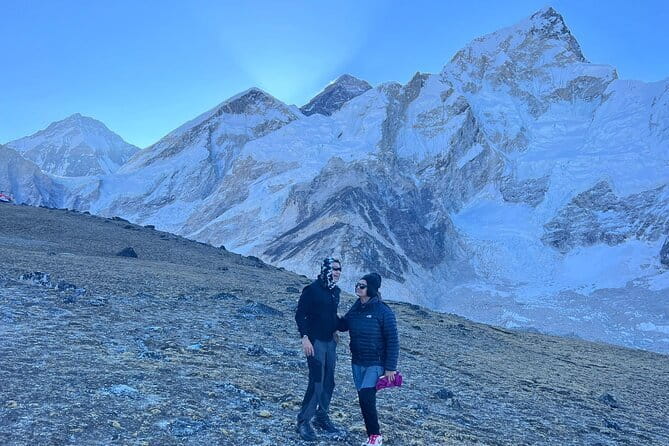
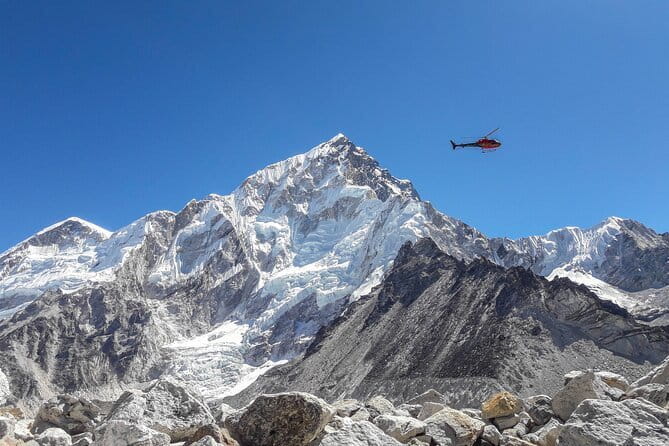
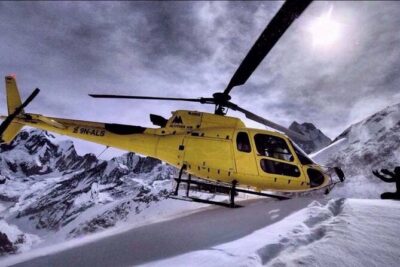
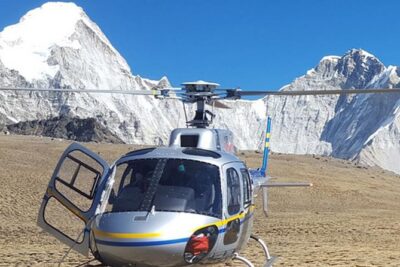
Day 10 starts early with a hike to Kala Patthar (about 5,550m) for sunrise and panoramic views. After you return to Gorak Shep, you board the helicopter to Kathmandu.
The itinerary time for Day 10 is listed around three hours, which makes the day feel compact. Still, sunrise hikes are their own challenge, because you are moving in cold, low-light conditions.
The helicopter finish is the big emotional payoff. Instead of trudging back through every lodge and village, you get a quicker transition to Kathmandu life and warmth.
Just remember the earlier note: the package details say helicopter flight from Gorakshep to Kathmandu is not included. That means you should confirm whether your specific booking includes the helicopter cost or if there is an extra payment due at some point.
Price and Value: What $446.50 Per Person Likely Covers
At $446.50 per person for an approximate 10-day trek, this package can look like great value, especially because it lists a lot of real costs as included. You are getting an experienced guide with salary, insurance, food, and accommodation, domestic flights to Lukla, and private transportation.
You also get one Kathmandu hotel night (twin share with breakfast), meals are included in bulk counts (breakfast 9, lunch 8, dinner 8), and key trek permits are covered (Sagarmatha National Park entrance fee, TIMS, and Pasang Lhamu Rular Municipality Entrance fee).
On top of that, you get some seasonal fruit and dry nuts on the trail, plus gear like sleeping bag, down jacket, and trekking poles if you need them and want to return them after the trek. There is also a duffle bag, cap, and a trip certificate, plus that Kathmandu cultural show and dinner program.
Where value becomes a question mark is the helicopter. The day-by-day plan includes it, but the exclusions list helicopter flight from Gorakshep to Kathmandu as not included. So the final all-in price could be higher than the base number you first see.
Also, porters are listed as not included. If you do not want to carry your own load, you will need to plan for either how you pack or how you arrange porter support.
Lodging and Comfort: What the Program Does Well
The Kathmandu hotel is clearly specified in category terms, Thrive or similar, with twin sharing and breakfast. That is a solid base because it keeps your first night predictable.
For the trekking lodges, the details are not itemized, but the program emphasizes included comfort items and good management. In real mountain trekking, you are at the mercy of weather and lodge availability, so the quality of the operator matters.
I also like the inclusion of hot-water comfort as part of the care approach, since it can make nights much more bearable. Still, even with a strong plan, you should expect occasional changes if weather forces reroutes or schedule shifts.
Who This Trek Suits Best
This is a great fit if you want Everest Base Camp but do not want to spend extra days hiking back down. The helicopter finish is ideal for people who value time, want a lighter ending, or are traveling with a tighter schedule.
It also fits well if you like guided structure, because you get an experienced guide, a briefing, and route pacing that includes acclimatization. The Dingboche prep day is a big signal that this trek cares about altitude management, at least in itinerary design.
Your best match will be moderate physical fitness, because the daily trekking hours range from about four to seven hours depending on the day. You are not on a full-on summit bid schedule, but you are still going high and moving every day.
Where you might think twice is if you require guaranteed helicopter inclusion in the booked price, or if you are expecting porters to handle your load for you. Porters are not included, and the helicopter cost inclusion is a point to verify.
Should You Book This Everest Base Camp Trek With Helicopter Return?
If you want a classic Everest Base Camp trek with a smarter finish, this is a strong option. The combination of Lukla flying, Sherpa villages like Namche and Tyangboche, acclimatization in Dingboche, and the Kala Patthar sunrise plan is a compelling route package.
My main booking advice is to ask two questions before you pay: is the Gorakshep to Kathmandu helicopter truly included for your exact date and price, and what is your plan for carrying your own gear since porters are not included.
If those two items are clear, this trek offers a lot of value for the cost, especially with permits, meals, and key gear covered. For the right traveler, it delivers the Everest dream with fewer days of fatigue in the return.
FAQ
How long is the Everest Base Camp trek with a helicopter return?
The duration is listed as 10 days approximately.
Where does the tour start in Kathmandu?
It starts at Tribhuvan Airport in Kathmandu, Nepal.
Is pickup in Kathmandu included?
Yes, pickup is offered, and you also get private transportation.
Do you fly to Lukla, or is it a land route?
You fly from Kathmandu to Lukla as per the itinerary, with an alternate option of flying from Ramechap to Lukla.
What is the highest point on the trek?
Kala Patthar is listed at about 5,550m.
Are meals included?
Yes. Breakfast is included 9 times, lunch 8 times, and dinner 8 times.
What trekking gear is included?
Sleeping bag, down jacket, and trekking poles are listed as included if you needed return after trekking. A duffle bag, cap, and trip certificate are also included.
What fees are included for permits and parks?
The inclusions list Sagarmatha National Park entrance fee, Pasang Lhamu Rular Municipality entrance fee, and TIMS.
Is the helicopter flight back included in the price?
The itinerary includes a helicopter flight back to Kathmandu from Gorakshep, but the exclusions list the helicopter flight from Gorakshep to Kathmandu as not included. Confirm what your booking covers.
What is not included?
The exclusions list dessert and bar bills, the helicopter flight from Gorakshep to Kathmandu, international air tickets and travel insurance, tips for the trekking crew members, and porters.
Latest Kathmandu write-ups
- Langtang Valley Trek★ 5.0 · 3 reviews
- Khopra Danda Trek★ 5.0 · 3 reviews
- Langtang Valley Trek from Kathmandu★ 5.0 · 3 reviews
- 5 night / 6 days Kathmandu Nagarkot Chitwan Pokhara tour★ 5.0 · 3 reviews
- Nepal Highlights Tour: 5 Nights 6 Days Kathmandu & Pokhara Tour★ 5.0 · 3 reviews
- Kathmandu Valley Private Day Tour★ 5.0 · 3 reviews
- Conquer the Himalayas: The Ultimate 16-Day Annapurna Circuit Trek★ 3.5 · 3 reviews
- Kathmandu Heritage Day Tour★ 5.0 · 3 reviews
Everest Base Camp Trek, compared.

Everest Base Camp Helicopter Tour landing at Everest View Hotel
Read our review →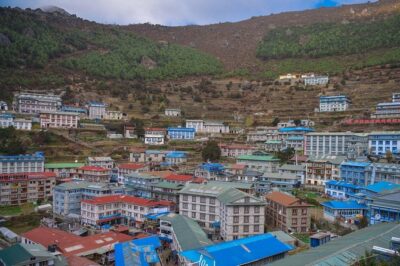
Everest Base Camp Helicopter Tour landing at Hotel Everest View
Read our review →
Browse the lists this tour appears in