
Reviewed · EVEREST BASE CAMP TREK
Helicopter Return Everest Base Camp Trek, KTM-LUKLA & Gorakshep-KTM by Heli
Everest Base Camp with a helicopter return is interesting because you still earn the views the hard way on foot, then you get a simpler exit from the high country. The main payoff comes around Kala Patthar and the classic Everest panorama from the top of the trip.
I like two parts a lot. First, the hiking rhythm is built for altitude, with Namche Bazaar and Dingboche rest days that help you adjust before the higher legs. Second, the team support sounds strong, with planning handled by people like Buddhi, and on-trail guidance often led by Dipak.
One drawback to consider is that the helicopter legs and any private upgrade are priced separately, and the whole operation depends on weather. Also, the day starts early, with a 5:45 am meeting time, so you will need to be ready to move.
Key things I’d flag before you book
- Helicopter return from Gorakshep to Kathmandu can save your legs on the final high-altitude exit
- Acclimatization days in Namche Bazaar and Dingboche reduce the pressure of “just keep going” hiking
- Tea house trekking with breakfast included (9 breakfasts), while lunch and dinner are pay locally
- Small group size with a maximum of 15 people, which matters on crowded checkpoints and tea houses
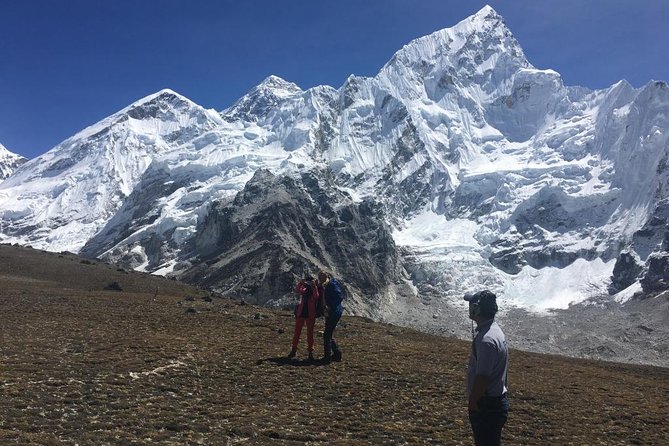
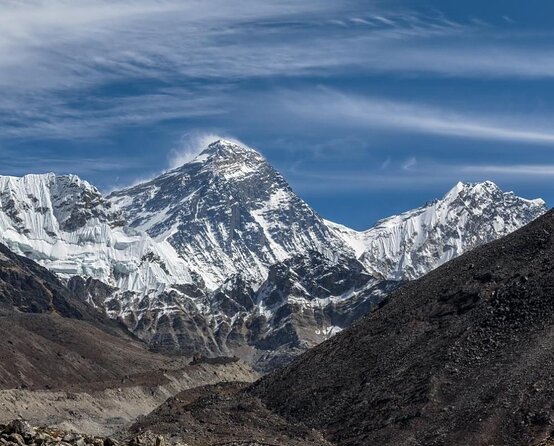
- Kala Patthar is a named highlight with views of Everest, Nuptse, Pumori, Lhotse, and Changtse
- Lukla flight plans can shift if weather hits, and the operator has dealt with helicopter alternatives in past situations
Helicopter Return Everest Base Camp: what it really changes for your trip
The classic Everest Base Camp trek is all about commitment. You climb day by day, you earn altitude, and you accept that the finish is still part of the adventure. This “helicopter return” version changes the ending, not the spirit.
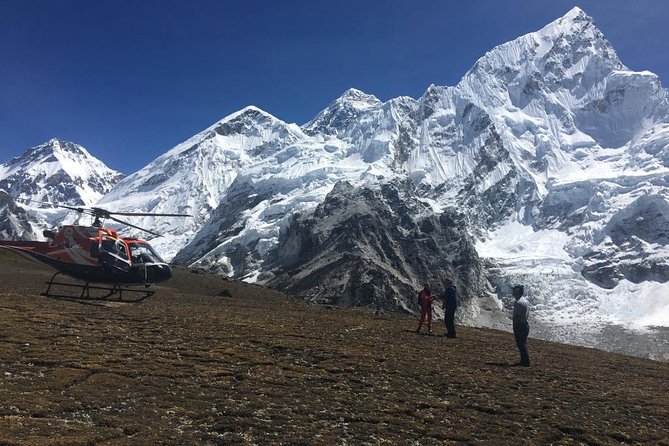
Instead of trekking all the way back down with the same high-altitude fatigue, you get an exit from Gorakshep by helicopter to Kathmandu (the helicopter portion is listed as an extra cost). That means your final day at altitude can be about seeing the mountains and getting safe down fast, not about extending the “long slog” days.
What you keep, though, is the high payoff: Everest Base Camp itself and the viewpoint push to Kala Patthar (5545 m). Those two moments are why most people do this route. Even with helicopter support for the return, you still earn the major sights the way the Khumbu expects.
More ways to walk to Everest Base Camp:
- Everest Base Camp Trek – 14 Days
★ 5.0 · 1,499 reviews - Everest Base Camp Trek
★ 5.0 · 842 reviews - Everest Base Camp Helicopter Tour landing at Everest View Hotel
★ 5.0 · 668 reviews
Kathmandu launch: permits, pickup, and the pre-trek reality check
You start in Kathmandu, at about 1350 m (4430 ft), and you should plan on settling in quickly. This is where the trip becomes organized: entry permits and trekking permits are included, and that alone can save you time and confusion.
The operator offers pickup, and you get a mobile ticket, which is a nice practical touch if you do not want to chase paperwork around town. The trip starts early, with a 5:45 am meeting time, so you will want to confirm details the night before and set yourself up for a calm morning.
Kathmandu is also your chance to handle the stuff that decides whether you enjoy the trek or just “survive” it:
- Buy any last-minute cold-weather basics (gloves, warm layers, waterproof shell)
- Check your gear for fit and comfort, not just warmth
- Decide how you will carry water and snacks on hiking days
Your first flight day is where altitude jumps in fast, so you want your body fueled and your packing sorted.
Lukla flight day to Phakding: the start of the Khumbu rhythm
On day two, you fly to Tenzing-Hillary Airport in Lukla (2828 m / 9279 ft), then trek to Phakding (2780 m / 9121 ft) for about 3 to 4 hours. The flight is short, but it feels like the moment the mountain “turns on.”
Lukla sits high enough that even the first trekking day is not casual. Still, this section is manageable because you are not climbing steeply in a single leap. You are easing into the Sagarmatha National Park setting, following the trail through classic Khumbu villages like Phakding and passing places where you see prayer wheels, chortens, and prayer flags.
This part matters because it sets your pacing. If you start fast, you will pay later. If you start steady, you get to enjoy what you came for: mountain scenery, suspension bridges with prayer flags, and the steady buzz of a route that has been used for generations.
Namche Bazaar: the acclimatization day that makes the rest feel human
Day three brings you up to Namche Bazaar (3440 m / 11287 ft) with about 5 to 6 hours of walking. Namche is a real Himalayan town, not just a waypoint. You will likely find shops, places to eat, and the kind of town energy that helps your brain stop spiraling about altitude.
Then day four is a rest day in Namche. That is not wasted time. It is there because you are climbing into the higher part of the Khumbu, and altitude does not care about your schedule. A rest day gives your body time to adjust while you keep some movement in your day.
This is also where Sherpa culture becomes more than scenery. You get more monasteries and museum-like spots along the route, and prayer flags and prayer wheels become part of everyday life instead of a photo opportunity.
My practical advice: use Namche to plan your gear for colder mornings. After this point, warmth management becomes a bigger deal, especially if you are sleeping in teahouses where temperatures can drop hard.
More Helicopter Tours in Kathmandu:
- Everest Base Camp Helicopter Tour landing at Hotel Everest View
★ 5.0 · 218 reviews - Everest Base Camp Trek with Helicopter Return from Gorakshep to Lukla
★ 5.0 · 161 reviews - Everest Base Camp helicopter tour with landing
★ 5.0 · 61 reviews - Everest Base Camp Helicopter Tour with Hotel Everest View Landing
★ 5.0 · 52 reviews
Tengboche and Dingboche: monastery country and another altitude reset
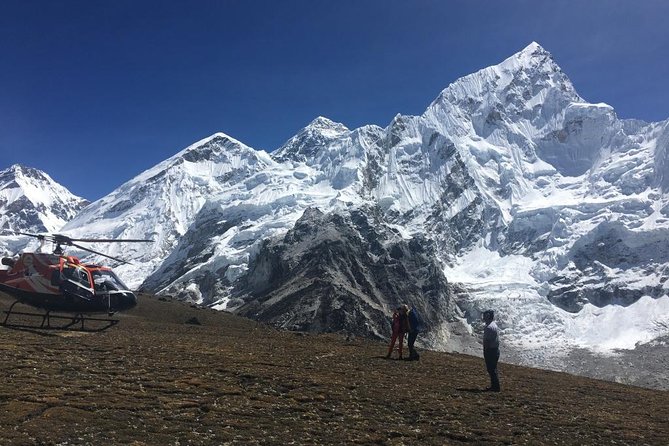
Day five moves to Tengboche (3850 m / 12632 ft) in about 4 to 5 hours. Tengboche is known for its monastery setting, and the way the town sits makes it a natural place to feel the spiritual side of the Khumbu. You will likely see trails lined with prayer flags and religious markers, and the air often feels sharper here.
Day six brings you to Dingboche (4350 m / 14272 ft) for about 4 to 5 hours. Then day seven is another rest day in Dingboche. This is the second time you get that “body has time” advantage.
Why does this help? Because the next days push higher, and the route to Lobuche and then onward to Gorakshep is where many people start feeling the altitude more strongly. The two rest days are a big part of why this itinerary can feel doable rather than punishing.
Dingboche also gives you a chance to watch conditions shift. Clouds can change how the mountains look, and cold can sneak in. If you plan to go all the way to Kala Patthar, you need to be able to dress for the temperature swing, not just for hiking.
Lobuche to Gorakshep and Everest Base Camp: where the trip earns its name
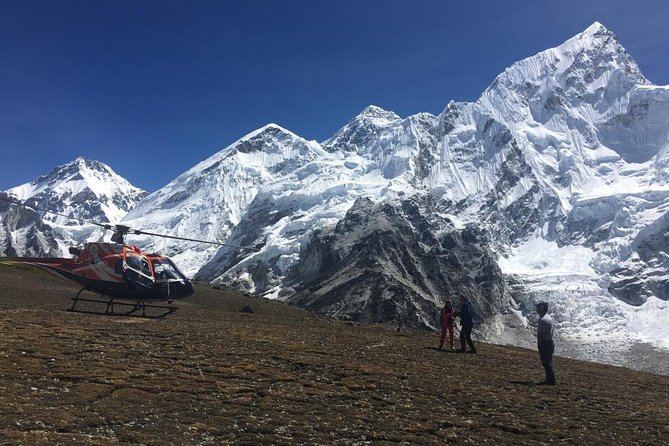
Day eight takes you to Lobuche (4910 m / 16109 ft) in about 4 to 5 hours. This is a serious altitude day, and your pace matters more than your distance. Keep breathing calm and slow.
Day nine is split in feel, even if it looks linear on paper. You hike to Gorakshep (5180 m / 16995 ft) in about 3 to 4 hours, then go on to Everest Base Camp (5364 m / 17600 ft) for about 2 to 3 hours. That means you might be walking a lot, but the “why” is simple: you are reaching the Base Camp zone.
This is where the mountain scale hits hardest. You will likely see the Khumbu Glacier, the Khumbu Icefall area, glacial rivers, and avalanche paths from appropriate viewpoints. Even if clouds soften the view, the region still feels intense.
If you are prone to rushing, resist it on day nine. Base Camp is a place you want to linger at, even briefly, because once you move on, you do not get a second “first look” moment.
Kala Patthar (5545 m) and the steep cold reality of the high viewpoint
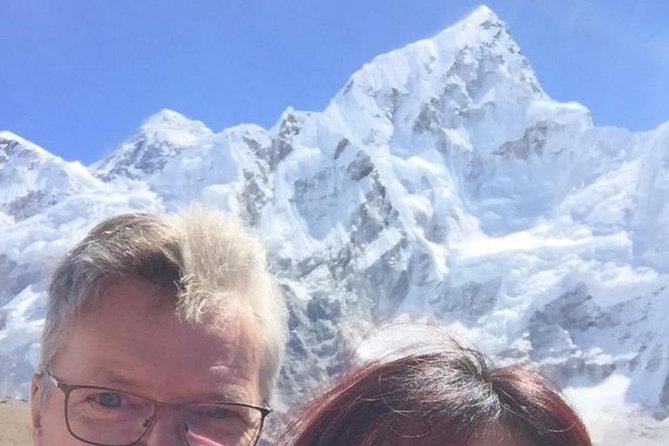
Day ten is your big summit style morning. You hike to Kala Patthar (5545 m) in about 2 to 3 hours, then continue to Pheriche (4280 m / 14042 ft) for about 5 to 6 hours.
Kala Patthar is famous for views of glittering peaks including Everest, Mt. Nuptse, Mt. Pumori, Mt. Lhotse, and Mt. Changtse. It also gives you broader context for the Khumbu Glacier and the high glacial systems around it.
This day is also where your cold-weather gear matters most. Your packing list calls out a down jacket as a must for staying in a teahouse relaxed under 0°C, plus warm hats, gloves, a waterproof layer, and a raincoat. That is not overkill. At 5545 m, comfort depends on layers that actually block wind and hold warmth.
If the goal is a great photo, your success depends on timing, not just bravery. Dress early, layer up right, and be ready for the kind of chill that makes hands feel numb if you cut corners.
How the return works: Gorakshep exit versus walking back to Lukla
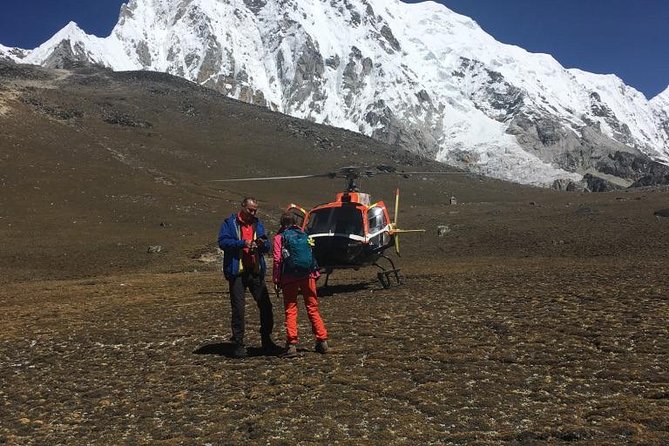
The trek route includes returning by foot to Namche Bazaar on day eleven, and down to Lukla on day twelve, then flying back to Kathmandu on day thirteen.
But the helicopter return concept means you might not do the full back-haul on foot. The helicopter from Gorakshep to Kathmandu is listed as an extra option, with a sharing helicopter price of USD 999 per person for certain months. This can dramatically shorten the most draining part of the end phase.
So how should you think about this practically?
- If you are nervous about stamina, the helicopter return is the safety net.
- If weather grounds flights, helicopter planning matters even more, because the Lukla end also has weather dependencies.
- If you already know you will struggle with cold or fatigue, decide early whether you want the helicopter piece so your last days feel lighter.
One more detail that can help your planning: the itinerary includes pay locally meals on the trail. So shorter days and faster exits can also reduce the total number of meals you need to buy at tea houses.
Price and value: what $9,999 gets you, and what costs extra
At USD 9,999 per person, the headline price looks steep for a trek. The value is not in the raw hiking alone. The value is in what is organized and included.
From what is listed, you get:
- Tea house stay on the mountain route
- A trekking guide
- Entry permits and trekking permits
- Breakfast included for 9 days
- Pickup offered
- Mobile ticket
- Small group size with a maximum of 15 travelers
Then you pay separately for key add-ons:
- Lunch and dinner, paid locally
- Helicopter options, including:
- KTM to Lukla sharing flight USD 400 per person in specific months
- Gorakshep to Kathmandu sharing helicopter USD 999 per person in specific months
- Private helicopter upgrades available, including GORAKSHEP to KTM USD 3600 per heli and Kathmandu to Lukla USD 2000
- Porter support (listed as USD 30 per day, paid directly to the porter at Lukla)
The biggest value question for you is simple: do you want to pay for certainty and reduced fatigue? If yes, the helicopter add-on is where the money likely makes sense. If you are confident in full trekking both ways and you want to keep costs down, you can treat the helicopter piece as a backup rather than a centerpiece.
Also, check your travel months. Helicopter pricing is listed for OCT, NOV, MAR, APR, MAY. In addition, the experience requires good weather, and if helicopter flights or plans get canceled due to poor conditions, you would be offered a different date or a full refund.
What to pack for cold teahouses, long days, and camera-ready mornings
This itinerary is practical about gear. The list you are given focuses on the stuff that prevents numb hands and miserable nights.
Start with layers:
- A warm woolen cap
- A warm fleece jacket or puffy jacket
- A waterproof Gore-Tex layer
- A raincoat
- Down jacket is described as a must for teahouse comfort under 0°C
- Hand gloves
For feet and movement:
- Trekking shoes, plus sports shoes or sandals
- 4 to 5 pairs of good quality socks
- 2 to 3 pairs of trekking trousers
- Day pack plus a proper duffel or rucksack setup (you get a complimentary trekking planner duffel bag to use and return)
For daily comfort and visibility:
- Sun hat or cap, sunglasses, water bottle
- Flash or torch light for mornings and dim teahouses
- 4-season sleeping bag is optional and can be provided, but it must be returned
Then bring your phone camera reality check: cold drains battery life fast, so you want camera batteries ready and protected.
The meeting time is early, and the altitude days can feel slow if you are underdressed. Dress in layers for moving, and then add warmth for stops and evenings.
Small group trekking, guides like Dipak, and how support shows up on the tough days
A maximum of 15 people matters more than you might think. On trail, it affects how crowded tea houses feel, how easily you can keep a steady pace, and how smoothly you can get organized for early mornings.
The support story in the provided info also seems solid. The operator team includes planning help from people like Buddhi, and on the trek you may be guided by someone like Dipak. Porters are part of the system too, with examples of porters like Carmen and Desantis appearing in past trips.
The human payoff of good support is this: when something changes, you do not waste energy panicking. One past scenario described a canceled Lukla flight due to weather, then the team handled a helicopter solution so the trip kept moving. That is the kind of real-world competence you want when the mountains control the schedule.
Who should book this helicopter return Everest Base Camp trek
This works best for you if you want the classic Everest Base Camp experience, including Kala Patthar, but you also want a better ending. If you are excited by altitude views but you do not want to grind through every final foot of descent, helicopter return is the right compromise.
It also suits you if you like structured pacing. The route includes rest days in Namche Bazaar and Dingboche, which is a clear sign the trip is trying to be smart about altitude.
It might not be the right fit if:
- You want the lowest possible cost and do not plan to use helicopter support
- You dislike early starts and cold teahouse evenings
- You are not comfortable paying add-ons locally for lunch and dinner, plus porter support if you use it
Should you book this trek with helicopter return?
If your dream includes Everest Base Camp and Kala Patthar, and you want an easier return from Gorakshep, this is a strong option to seriously consider. The included permits, guided support, tea house breaks, and breakfast plan reduce the usual chaos. Then the helicopter component gives you a way to protect your energy when altitude and fatigue are most likely to bite.
Just do the math with the helicopter fees and your travel month, and plan for the weather reality of Lukla and the high Himalaya. If you go in with warm gear, a steady pace, and a clear plan for the helicopter add-on, this is the kind of trip that can feel both classic and smart.
FAQ
What is included in the trek portion?
You get tea house stays on the mountain route, a trekking guide, entry permits and trekking permits, and breakfast for 9 days. Lunch and dinner are not included and are paid locally.
Do I need to pay extra for the helicopter?
Yes. Helicopter costs are listed separately, including a sharing flight from KTM to Lukla in certain months and a sharing helicopter from Gorakshep to Kathmandu in certain months. Private helicopter options are also listed as extra.
How long is the trip and when does it start?
The experience is listed as about 9 days, and the meeting point start time is 5:45 am. The schedule also shows additional days for flying back to Kathmandu and final departure.
Is this route only for expert hikers?
The info says most people can participate, which suggests it is not limited to only advanced hikers. Still, you should expect significant altitude and long walking days.
What are the key hiking stops?
The route includes Kathmandu, flights to Lukla, trekking to Phakding, Namche Bazaar, Tengboche, Dingboche, Lobuche, Gorakshep, Everest Base Camp, Kala Patthar, Pheriche, then back to Namche Bazaar and Lukla, followed by flights to Kathmandu.
What time and altitude changes should I be ready for?
You fly from Kathmandu to Lukla around 2828 m, then you climb to Namche at about 3440 m, Dingboche around 4350 m, Gorakshep around 5180 m, and Kala Patthar at 5545 m. Walking times range from about 3 to 6 hours on many days.
What happens if weather cancels the experience?
The experience requires good weather. If it is canceled due to poor weather, you are offered a different date or a full refund. You can cancel up to 24 hours in advance for a full refund.
Latest Kathmandu write-ups
- Langtang Valley Trek★ 5.0 · 3 reviews
- Langtang Valley Trek from Kathmandu★ 5.0 · 3 reviews
- Khopra Danda Trek★ 5.0 · 3 reviews
- 5 night / 6 days Kathmandu Nagarkot Chitwan Pokhara tour★ 5.0 · 3 reviews
- Nepal Highlights Tour: 5 Nights 6 Days Kathmandu & Pokhara Tour★ 5.0 · 3 reviews
- Kathmandu Valley Private Day Tour★ 5.0 · 3 reviews
- Kathmandu Heritage Day Tour★ 5.0 · 3 reviews
- Conquer the Himalayas: The Ultimate 16-Day Annapurna Circuit Trek★ 3.5 · 3 reviews
Everest Base Camp Trek, compared.



Everest Base Camp Helicopter Tour landing at Everest View Hotel
Read our review →


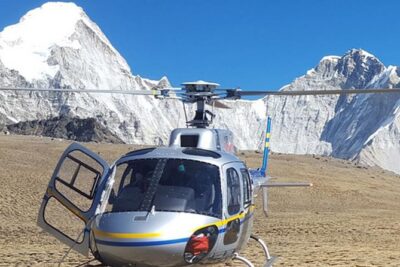
Everest Base Camp Helicopter Tour landing at Hotel Everest View
Read our review →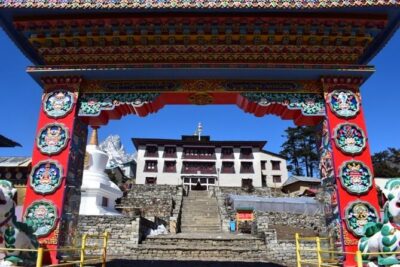
Browse the lists this tour appears in