
Reviewed · EVEREST BASE CAMP TREK
Gokyo to Everest Base Camp Trek
This trek is interesting because it is not just a straight shot to Everest Base Camp. You route through Lukla, Namche Bazaar, Gokyo, Cho La Pass, then finish with the sunrise views from Kala Patthar.
Two things I really like about this trip are the way it builds in acclimatization (you do a full rest day in Namche Bazaar) and the high-reward scenery detour to the Gokyo lakes. I also like that the logistics are set up around practical needs, including the porter setup (1 porter per 2 clients) and a guide who can manage route timing when weather turns.
One drawback to keep in mind is altitude and weather. You are crossing high passes around 5,300 to 5,330 m, and the trek depends on conditions, so you need solid high-altitude insurance and a flexible mindset if plans change.
Key things to know before you go
- Gokyo Lakes plus Gokyo Ri gives you a major view day at 5,483 m before you even think about Everest
- Cho La Pass timing starts early so you can dodge the worst weather later in the day
- Acclimatization in Namche Bazaar includes a dedicated day, not just a quick stop
- Meals and key gear are covered (breakfast plus lunch and dinner, plus a down jacket and sleeping bag)
- Group size stays small with a maximum of 15 people, which usually means less chaos on the trail
Price and logistics: what $2,200 really buys
At $2,200 per person for 17 days (approx.), the value comes from what is bundled, not from the hiking itself. You get Kathmandu hotel nights (2 nights in a three-star setup), 14 nights of guest house stays, and most importantly the big travel pieces that often add up fast on your own: Kathmandu to Lukla and back flights, plus airport transfers.
The meals are also a big part of the deal. You are covered for breakfast (16), lunch (14), and dinner (14). That matters because at higher elevations, food choices shrink and prices climb, so having meals included helps you budget and keeps you fueled without constant decision-making.
Another practical win is gear. The trip includes a down jacket and sleeping bag, with the expectation you return them. That is helpful if you do not want to buy bulky cold-weather gear for one trek, but it also means you should still bring your own base layers, liner socks, and a plan for what you wear under the provided warmth.
What is not included is also clear, and you should plan around it: Nepal entry visa, international airfare, travel insurance that covers high-altitude rescue and evacuation, and tips for trekking staff and drivers. Also note that alcoholic and non-alcoholic drinks are not included, so pack cash for water refills, snacks, and the usual trail comforts.
More ways to walk to Everest Base Camp:
- Everest Base Camp Helicopter Tour landing at Everest View Hotel
★ 5.0 · 668 reviews - Everest Base Camp Trek
★ 5.0 · 97 reviews - Everest Base Camp Trek
★ 5.0 · 87 reviews
The route in plain language: from Kathmandu to Kala Patthar
This is an Everest Circuit style trek. In practice, it means you will spend time around the Khumbu region, but you also get time in the Gokyo area, and that changes the feel of the journey. It becomes a mix of Sherpa villages, glacial scenery, and big high-altitude viewpoints, plus a couple of days that are more challenging than the rest.
A typical pattern shows up:
- You trek hard, then you rest and adjust (especially around Namche)
- You go high, then you sleep slightly lower or stabilize
- You start early on the pass days, because weather often decides your day
Day 1: Arrive in Kathmandu (Airport pickup, easy start)
You land at Tribhuvan International Airport in Kathmandu. An airport representative meets you and handles transfers to the start area. The day is kept light, which is smart because your body is still adjusting to Nepal time and travel fatigue.
Days 2: Fly to Lukla, then start walking to Phakding
The next morning, you take the scenic flight to Lukla (Tenzing and Hillary Airport, 2,804 m). Then you trek to Phakding. The walking starts your altitude work right away, so even though the day is generally manageable, keep your effort steady, not heroic.
A real-world tip here: the flight day can be weather sensitive in general, and timing matters. If you get anxious, channel that energy into hydrating and eating right after you land.
More of the Gokyo lakes:
- Everest Base Camp – Cho La Pass – Gokyo Trek
★ 5.0 · 65 reviews - Everest Gokyo Valley Trek – 12 days
★ 5.0 · 27 reviews - Landing Private Helicopter at Everest base camp & Gokyo for photo
★ 5.0 · 20 reviews
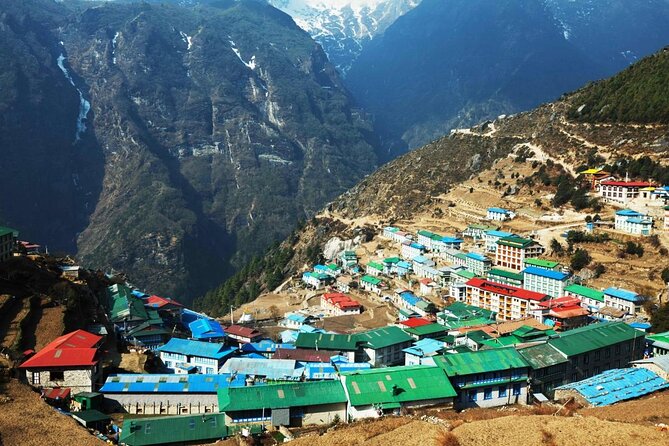
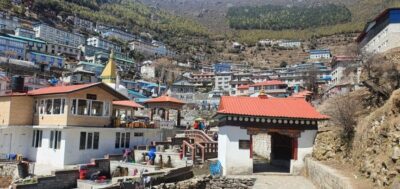
Days 3 and 4: Phakding to Namche Bazaar, plus a full acclimatization day
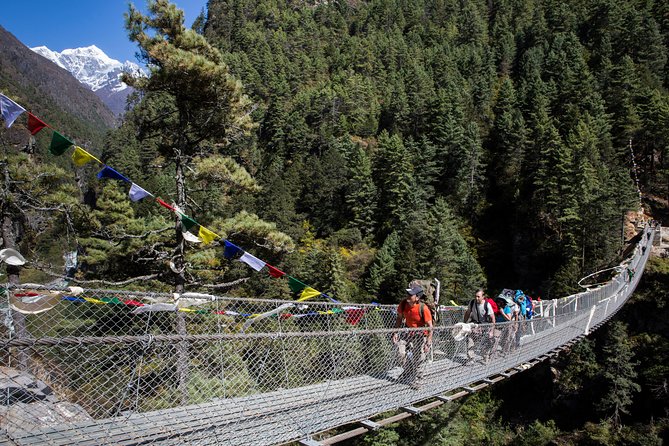
Day 3 takes you toward Namche Bazaar along the Dudh Kosi river. You cross multiple suspension bridges with prayer flags, and you enter Sagarmartha National Park. This section is scenic and active, and you are also building your breathing rhythm.
Day 4 is a full acclimatization day in Namche Bazaar. You do a short trek out to a museum with exhibits on Sherpa customs. This is one of the best parts of the itinerary for people who like structured pacing: you get a day that is not just “wait and hope.”
Day 5: Namche to Phortse (steeper climbing, forest to village feel)
You climb out of the valley through rhododendron forest. As you gain elevation, you move into areas with juniper and conifers. You then reach Phortse. This is the kind of day where footing matters and the air feels thinner on climbs, so go slow and keep steps short.
Day 6: Phortse to Machhermo (glacier views and a big ridge)
Today you climb a ridge for views down the valley toward Kengtega and up toward Cho Oyu, then descend and climb again. You reach Machhermo near the Ngozumpa glacier terminal moraine.
This day often feels like a turning point. You are working, but the terrain and glacial scenery start to feel more dramatic.
Days 7 and 8: Machhermo to Gokyo, then Gokyo Ri at 5,483 m
Day 7 is one of the main destinations, Gokyo (4,790 m). You base here for two nights, which gives you time for sightseeing and short hikes. That extra time matters because it lets you recover without feeling like you must conquer the next mile immediately.
Day 8 is the big one: an early climb to Gokyo Ri at 5,483 m. The payoff is wide views of the Gokyo valley and major peaks in the region. This is where you often feel the altitude most, so take it slow even if the view is making you want to speed up.
Day 9: Gokyo to Thangnag (remoteness, basic lodging)
You trek to the foot of Cho La Pass and sleep in Thangnag. Lodging here is described as very basic and dormitory-style because of the remoteness. Accept that this is part of the cost of getting off the busiest routes.
You will sleep, rest, and prepare for the pass. Focus on warmth. Even on days that feel sunny, temperatures can drop hard after dark.
Day 10: Cho La Pass crossing (early start, altitude around 5,300 to 5,330 m)
You start walking before sunrise, either 4:00 or 5:00 am, aiming to cross by late morning to mid-morning. The logic is simple: early start gives you better odds before noon weather rolls in.
You cross the pass at about 5,300 m. After that, the trail continues toward Lobuche area. This is a demanding day, so treat it like a test of steadiness. Short steps, slow breathing, and consistent snacks beat sprinting to feel productive.
Day 11: Thangnag to Lobuche (shorter route after a pass)
Day 11 is described as easier and shorter, reaching Lobuche after about 4 hours of trekking. After a pass day, having a lighter follow-up makes a huge difference. It lets you recover enough for the Everest Base Camp day ahead.
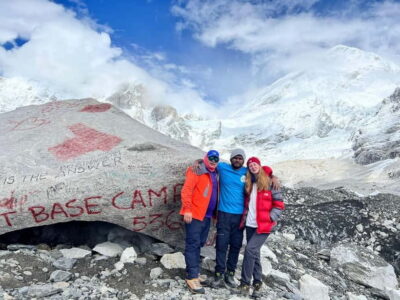
Day 12: Lobuche to Everest Base Camp (5,365 m, glacier walking)
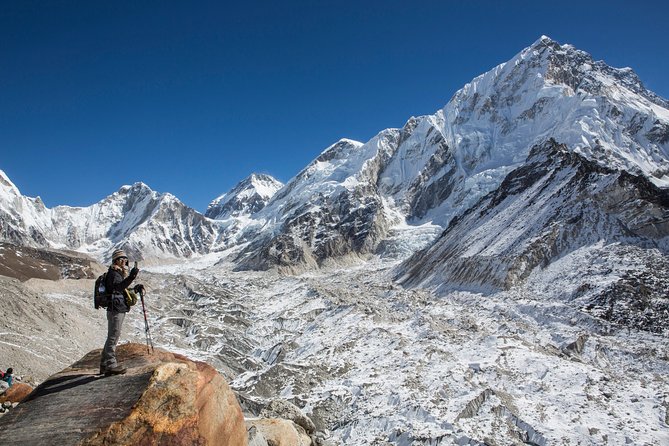
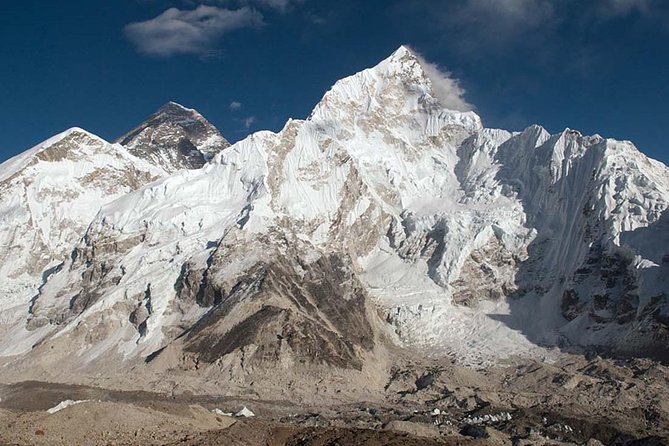
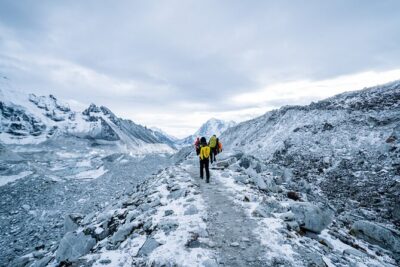
This is the big objective day. You walk along the Khumbu Glacier and go up to Everest Base Camp at 5,365 m. This is the closest you get to Everest without mountaineering equipment.
You should expect a long, serious day. Even if you feel strong, keep the pace controlled. Glacial terrain can feel mentally intense because it looks like it should be steeper than it is, and that tricks your body into pushing too hard.
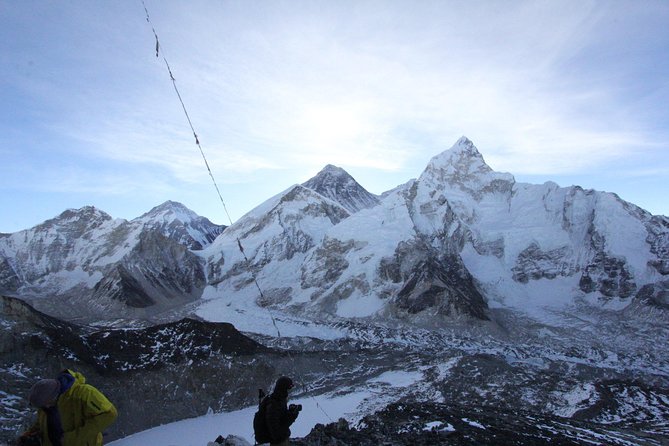
Day 13: Kala Patthar (5,555 m sunrise-style reward)
Kala Patthar at 5,555 m is one of the hardest days, but it is built for reward. You climb a small peak for one of the best views of the Everest region.
This is a day you want to treat like a climb, not a march. If your breathing stalls, stop, breathe, drink, then move again. When the views finally hit, you will understand why people talk about this day for months.
Day 14: Kala Patthar descent to Namche (Pangboche, then Tengboche)
You leave the high mountains and descend through Pangboche and Tengboche, then continue to Namche Bazaar. You end the day back in Namche in the afternoon.
This portion is good for your legs and good for your brain. When altitude eases, you often start noticing details, like monasteries and prayer flags again, instead of focusing only on your next step.
Day 15: Namche to Lukla (finish trek day, reflect with the group)
You return to Lukla, the place where your trek started. The afternoon is described as free. This is your time to slow down, look back at what you accomplished, and sort through photos and small purchases.
Day 16: Fly Lukla to Kathmandu (last mountain glimpses)
You take the scenic flight back to Kathmandu, then transfer to your starting hotel. Day 16 is where the trek settles into your mind. Everything you did hits you slowly, like altitude itself.
Day 17: Depart Kathmandu (airport drop)
The trip concludes with an airport representative dropping you at Tribhuvan International Airport for departure.
Guides, safety style, and why it matters on this trek
The trip runs with a licensed English-speaking trekking guide and includes a porter for every two clients, which is a key quality marker. You carry less, so you can move consistently. Consistency is how people finish a trek like this without burning out.
The biggest thing I’d take from the guide stories shared by people on similar departures is how weather and trail conditions can force decisions. Guides such as Nima and Raj Kumar are described as flexible under harsh conditions, with a safety-first approach. Names like Raj N, Ramesh, Lakpa Sherpa, and Ganesh show up too, along with excellent porter support from people like Biroj and Sonam.
Even if your route stays the same, your guide’s job starts when the plan gets blurry: choosing timing for the pass day, adjusting pacing for altitude, and managing group energy.
What you will really feel on the trail (and how to handle it)
This trek is physically demanding, but it is not random. The itinerary gives you structure. Still, your body will still protest.
Here is what you should expect, based on how the route is paced:
- Early starts on key days: Gokyo Ri and Cho La Pass both push you into pre-dawn or early morning effort.
- A true acclimatization day: Namche Bazaar includes a dedicated adjustment day, which helps you handle the higher sections later.
- Basic lodging at least once: Thangnag is explicitly described as very basic and dormitory-based.
- One or two long intensity days: Everest Base Camp and Kala Patthar are the big hitters.
To make this easier on yourself:
- Keep your pace slow enough that you can still speak short sentences.
- Eat on schedule, even when you feel fine.
- Warm up early and cool down slowly. A lot of altitude discomfort is really cold discomfort.
Also, use the water system. The trek includes filtered water using a Katadyn Pocket Water Filter, which helps reduce the mental burden of finding clean water sources.
Meals, comfort, and the reality of guest houses
You get breakfast most days, plus lunch and dinner on the trek days. The details of menus are not spelled out, but the inclusion matters because you are climbing all day and need consistent calories.
For lodging, it is mostly guest houses with attached toilets in key towns like Lukla, Phakding, and Namche. Then you hit Thangnag where it is described as basic and dormitory style. That swing is normal for this route, so I suggest you pack a small comfort kit: earplugs, a headlamp, and something warm for sleeping.
Laundry is not mentioned, so plan on using layers you can rinse and re-wear. Also, the provided sleeping bag and down jacket take care of a lot of the cold, but your base layers will still matter.
Value check: who this trek fits best
This experience suits people who want a guided Everest Circuit with real structure and fewer unknowns. You should like the idea of mixing villages like Namche and Tengboche with high altitude viewpoints like Gokyo Ri and Kala Patthar.
You might be a great match if:
- You have moderate physical fitness and you can handle long trekking days
- You want a small group (max 15) so the trail feels more manageable
- You appreciate acclimatization days and early starts when needed
- You do not want to buy major cold-weather gear since down jacket and sleeping bag are included
You might think twice if:
- You hate early mornings and steep climbs
- You are not comfortable with very basic lodging at least once
- You are not ready for weather dependence in the Everest region
Should you book this Gokyo to Everest Base Camp trek with Ace the Himalaya?
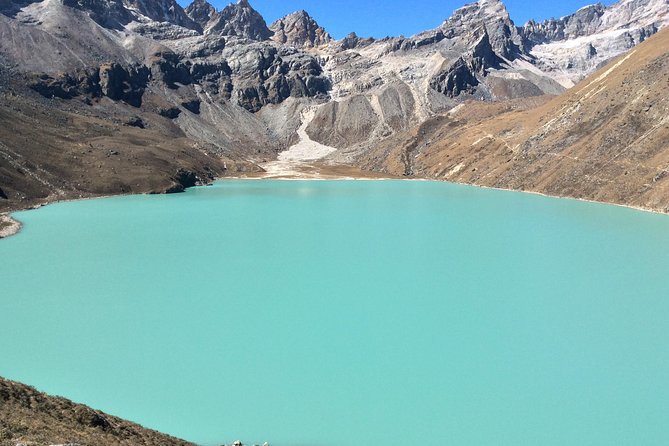
I would book it if you want a well-paced Everest Circuit that treats Gokyo as more than a detour. The combination of Gokyo lakes, Gokyo Ri, Cho La Pass timing, and then Base Camp plus Kala Patthar creates a trek with multiple major high points instead of one single climax day.
I would pause before booking if you are hoping for a relaxed walk the whole way. This is high altitude travel with early starts and at least one day that pushes hard at passes and viewpoints.
If you do book, prepare like you mean it: train for climbs, pack warm layers, and make sure your insurance covers high-altitude rescue and evacuation. Then focus on the simple goal you can control, pacing, hydration, and showing up for the early starts.
FAQ
What is the trek duration for the Gokyo to Everest Base Camp experience?
The duration is listed as 17 days approximately.
Where does the trek start and end?
It starts at Tribhuvan Airport in Kathmandu, Nepal. It ends back at the same meeting point in Kathmandu for your departure.
What is the maximum group size?
The maximum group size is 15 travelers.
Are airport transfers and flights included?
Yes. The package includes airport transfers and Kathmandu to Lukla and back airfare.
Is a guide included, and what language do they speak?
Yes. You get a licensed English-speaking trekking guide.
What meals are included during the trek?
Dinner is included for 14 days, lunch for 14 days, and breakfast for 16 days.
Does the tour include trekking permits and key equipment?
Yes. Permits for trekking are included, and the trip includes a down jacket and sleeping bag for the trek with return.
What happens if the trek has to be changed due to poor weather?
The experience requires good weather. If it is canceled due to poor weather, you will be offered a different date or a full refund.
Latest Kathmandu write-ups
- 16 Days Island Peak Climbing With Everest Base Camp Private Trip★ 5.0 · 3 reviews
- 15 Days Round Annapurna Trek with Poon Hill from Pokhara★ 5.0 · 5 reviews
- Private Nepal round trip including Ghorepani Poonhill trek★ 5.0 · 3 reviews
- Everest Base Camp Trekking 16 Days★ 4.0 · 7 reviews
- 14 Days Luxury Annapurna Base Camp Trek★ 5.0 · 6 reviews
- Everest Base Camp Trek★ 5.0 · 32 reviews
- Everest Base Camp Trek★ 5.0 · 87 reviews
- Everest Base Camp Trek★ 5.0 · 97 reviews
Everest Base Camp Trek, compared.
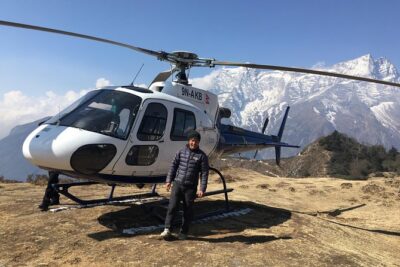
Everest Base Camp Helicopter Tour landing at Everest View Hotel
Read our review →
Everest Base Camp Trek 12 Days – Best Himalayan Adventure
Read our review →
14-Day Everest Base Camp with Kala Patthar Trek
Read our review →Browse the lists this tour appears in