
Reviewed · EVEREST BASE CAMP TREK
Everest Base Camp Trek with Helicopter Return -11 Days
Everest Base Camp in 11 days is the main hook here, because most EBC treks take closer to 14 to 15 days on foot. Add the helicopter ride back from Gorakshep, and the whole trip feels built for people who want the Everest dream without spending weeks trekking.
What I really like is how the route still gives you the classic beats of the Khumbu, including Namche Bazaar acclimatization and the famous Kalapatthar viewpoint at 5,545m. I also like that the company builds in real support on the ground, including an experienced guide and porters (with a 1 porter for 2 clients setup), plus travel and rescue arrangements.
One drawback to weigh: this is a high-altitude trek on a tight schedule, and even with the helicopter return, you still spend time trekking up to Everest-area altitudes and depending on weather. If the weather turns, flights and helicopter operations can be affected, so you need a flexible mindset.
Key highlights that make this EBC trek with heli return click
- 11 days total, so you trade some slow trekking time for a more urgent, efficient schedule.
- Helicopter return from Gorakshep to Kathmandu, which saves you a long descent.
- Kalapatthar at 5,545m, the Everest photo-stop most people are chasing.
- Guides you can name, including lead guides like Prakash Adhikari and Dikpal (from past client reports).
- Real logistics included, like TIMS, Khumbu valley fees, Kathmandu hotel nights, and rescue planning.
Why the 11-day Everest Base Camp trek feels different with helicopter return
Most Everest Base Camp treks are long, partly because your body needs time to adjust. This itinerary keeps the essence of EBC while shortening the on-foot portion by adding a helicopter return from Gorakshep on day 10.
That change matters for how you experience the trek. Instead of hiking for many days after reaching the main sights, you get a faster finish, with less time spent grinding back downhill at altitude. It can feel like the best parts of Everest, with fewer “legs are done” days.
Still, a helicopter return does not remove the hard part. You will hike at elevations that make breathing feel like work, and you will spend time above 5,000m. If you sign up, treat this as a serious mountain trek, not a casual hike.
More ways to walk to Everest Base Camp:
- Everest Base Camp Trek – 14 Days
★ 5.0 · 1,499 reviews - Everest Base Camp Trek
★ 5.0 · 842 reviews - Everest Base Camp Helicopter Tour landing at Everest View Hotel
★ 5.0 · 668 reviews
Kathmandu setup: private transfer, 3-star hotel, and getting your head right
Your tour starts at Tribhuvan Airport in Kathmandu, with pickup and a private vehicle transfer to the hotel. You also get two nights in a 3-star hotel in Kathmandu, with breakfast, which is a big deal after a flight and before you jump into mountain mode.
On day 1, I’d use this time to do the stuff that keeps later days calm: organize your layers, check your daypack weight, and make sure you know what you are carrying. Mountain trekking goes smoother when you have fewer surprises, and a Kathmandu buffer day helps.
You also receive company support like a trekkers information management system (TIMS) permit process, plus paper works handled by the team. That may not sound thrilling, but it removes a bunch of admin stress before you ever see the first Everest ridge.
The Kathmandu to Lukla flight, then Phakding: your first taste of the Khumbu
On day 2, you fly from Kathmandu to Lukla, landing at 2,860m. Then you trek to Phakding (2,610m) for about 3 to 4 hours, with lunch, dinner, and breakfast included.
Phakding is one of those spots that makes you feel like you really left the city. The air feels sharper, the trail turns very “Everest region,” and you start meeting the steady flow of hikers, guides, and porters moving uphill.
Practical note: the Lukla flight is a key piece of this itinerary. You are paying for the convenience of having it built in, but weather can still matter for small aircraft operations, so keep your schedule flexible.
Namche Bazaar at 3,446m: acclimatization that actually helps
Day 3 is the longer push, trekking from Phakding to Namche Bazaar (3,446m) for about 6 to 7 hours. Day 4 is your acclimatization day, including a visit to Khumjung Village and Hotel Everest View at 3,880m.
This is where the trek earns its seriousness. Namche is not just a stop for photos. It is the place where your body needs to adjust to higher elevation, and day 4 gives you a structured way to do that without jumping too fast.
From a comfort standpoint, I like having that built-in instead of guessing. When your schedule is compressed to 11 days, you want those acclimatization blocks to be real and paced, not improvised.
More Helicopter Tours in Kathmandu:
- Everest Base Camp Helicopter Tour landing at Hotel Everest View
★ 5.0 · 218 reviews - Everest Base Camp Trek with Helicopter Return from Gorakshep to Lukla
★ 5.0 · 161 reviews - Everest Base Camp helicopter tour with landing
★ 5.0 · 61 reviews - Everest Base Camp Helicopter Tour with Hotel Everest View Landing
★ 5.0 · 52 reviews
Tengboche’s monastery day and the climb toward Dingboche
Day 5 takes you from Namche to Tengboche (3,860m) in about 5 to 6 hours, with all meals included. Tengboche is famous for its monastery, Tengboche Monastery, often described as the largest in the Everest region, and it is a meaningful cultural contrast to the physical work of trekking.
Day 6 then moves you from Tengboche to Dingboche (4,360m), again about 5 to 6 hours. The trail is relatively steep and passes through rhododendron and juniper forests, which is one of the more pleasant parts of the climb because the forest sections make the ascent feel less monotonous.
In an 11-day plan, this segment matters. You are gaining altitude steadily, and the steepness plus altitude can hit hard if you rush. The best strategy is to keep a steady pace and let the guide manage the flow, especially if you are prone to going out too fast early.
Dingboche acclimatization: the altitude test before Lobuche
Day 7 is another acclimatization day, staying in Dingboche (4,360m). Day 8 is the move to Lobuche (4,910m), taking about 5 to 6 hours.
This is where you feel the altitude shift the most, because the “air feels thinner” effect starts to become consistent. The value of day 7 is that it creates space for your body to settle before you climb into the very high zones around 5,000m.
Also, in past experiences shared with this operator, clients often highlighted how their guides prioritized safety and planning. Even without naming every detail here, the repeated emphasis on safety and day-to-day support is exactly what you want when you are operating in this altitude band.
From Lobuche to Everest Base Camp and Gorakshep at extreme altitude
Day 9 is a big one. You trek from Lobuche to Everest Base Camp (about 5,360m) and continue to Gorakshep (about 5,160m), for 6 to 7 hours, with meals included.
This day is the emotional centerpiece of the trip. You are close enough to the Everest region to feel the weight of the place, but still at an elevation where even small exertions take extra effort. I’d treat it like a steady workday, not like a sprint to get to the top.
Once you reach the Base Camp area and then move on to Gorakshep, your body knows the score. That is why the next day’s helicopter is so attractive. You do not spend another full day hiking back down, and you avoid the extra fatigue that can build up at these heights.
Kalapatthar at 5,545m, then helicopter to Kathmandu
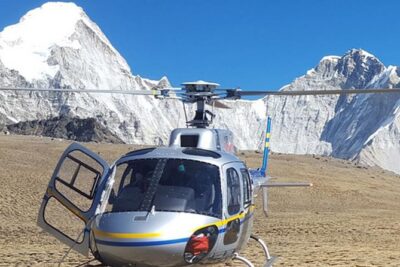
Day 10 is the payoff: a trek from Gorakshep to Kalapatthar (5,545m) for about 3 to 4 hours, followed by the return to Kathmandu by helicopter (sharing) after you take in the views.
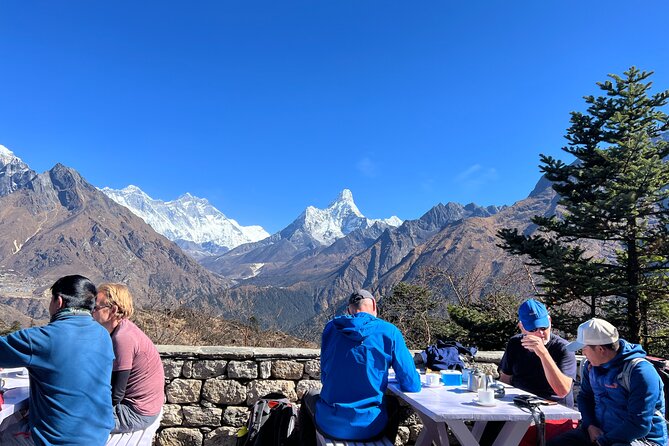
Kalapatthar is the viewpoint most people dream about. At 5,545m, it is a serious hike, but it is also the moment when Everest looks most dramatic and closest, with sweeping views of the surrounding peaks. This is the kind of day where you earn the photos, but you also earn the quiet satisfaction of making it that far up.
Then comes the second major difference from the standard EBC experience. Instead of walking all the way back down and spending extra days on legs, you fly back to Kathmandu. That helps a lot with recovery and keeps the trip from dragging on too long.
One more reality check: the itinerary depends on weather. The company notes that the experience requires good weather, and helicopter operations are part of that equation. Build your expectations around the understanding that mountains control the schedule sometimes.
Guides, porters, and safety planning that keep you moving smart
A trek like this lives or dies by day-to-day management, not just the map. This operator has repeatedly been praised for professional planning and safety focus, with lead guides mentioned by name in past client feedback such as Prakash Adhikari and Dikpal.
You also get a guide plus porters, with a 1 porter for 2 clients ratio. That matters because you can carry less, and you can keep your energy for altitude rather than for hauling weight.
I also like that the package includes travel and rescue arrangements and medical supplies (first aid kit). You should still have your own medical and travel insurance, because insurance is not included. But having rescue planning in the background adds reassurance when you are operating far from hospitals.
From a real travel-value lens, the guide and porter team is where your money turns into a better experience. Without strong guidance, an 11-day EBC plan can feel rushed. With strong guidance, it feels like a mission that actually works.
Price and included value: what $3,500 buys you in the real world
At $3,500 per person, you are paying for speed, support, and major flight costs. This package includes:
- Flights: Kathmandu to Lukla and Ramachap to Lukla (as stated), plus helicopter return from Gorakshep to Kathmandu (sharing)
- Kathmandu lodging: two nights in a 3-star hotel with breakfast
- Meals on trek: lunch, dinner, and breakfast each trekking day
- Lodging on trek: all accommodations in lodges or tea houses during the trek
- Permits and fees: TIMS permit and Khumbu valley fees, plus paper works
- Porter services: including the duffle bag system that gets returned after the trek
- Rescue planning and medical supplies: first aid kit, travel and rescue arrangements
- A cultural send-off: farewell dinner with a cultural performance on the last night
Now the part you should plan for outside the included list. Bottled water, coffee and tea, and most personal extras are not included. You also need to handle travel and rescue insurance yourself, and you should budget for tips for your guide and porter.
Is $3,500 “cheap”? Not for Everest. But it is often good value when you think about what is bundled: flights to Lukla, the helicopter return, and the guided structure that makes a shorter EBC plan practical.
Meals, water, and power needs on an 11-day schedule
Your daily routine includes meals on trek, but you still need to manage your own comfort choices. Bottled water is not included, and coffee and tea are not included, so plan ahead if you rely on these for morale or warmth.
Hot showers and battery recharging are also listed as personal expenses. If you care about staying powered up for photos and videos, bring a power bank and charging plan that does not depend on daily paid recharge stops.
Pack light enough to move well, but do not pack so light that you freeze. Even in peak seasons, the Everest region can feel cold once you are at higher elevations and exposed to wind.
What the itinerary feels like day by day, without the guesswork
Here is how the trip “lands” in your body across the 11 days:
- You start in Kathmandu, sleep, eat, and get ready with a hotel base.
- You fly into Lukla and begin with a gentler downhill-ish feeling trek to Phakding.
- You climb into Namche and spend a full acclimatization day with Khumjung and Hotel Everest View.
- You go to Tengboche for monastery time, then push uphill into Dingboche.
- You acclimatize again in Dingboche, then move higher to Lobuche.
- You reach Everest Base Camp and then Gorakshep, which is high and tiring.
- You earn Kalapatthar for the iconic viewpoint, then recover fast with the helicopter return.
The main “drawback” to keep in mind is pacing. Because you are doing this in 11 days, you will not have the luxury of slow rest days the way longer itineraries do. That is not automatically bad, but it means you should bring a steady, patient trekking style, and you should take acclimatization days seriously.
Should you book this Everest Base Camp trek with helicopter return?
I think this is a strong choice if you want a classic Everest route with key highlights, but you have less time than the usual 14 to 15 day plan. The helicopter return is the big value lever, and the included flights, permits, hotel nights, and rescue planning help justify the price.
Book it if:
- You are comfortable with high-altitude trekking and you have moderate physical fitness
- You want the Everest sights, including Kalapatthar at 5,545m, without hiking your way back for days
- You like having logistics handled, including TIMS paperwork, meals, and lodge stays
Consider another option if:
- You know you get hit hard by altitude and you want extra buffer days beyond this schedule
- You are not flexible about weather affecting flights or helicopter timing
If you choose to go, go prepared, pace smart, and trust the structure. Everest is still Everest, but this plan gives you a cleaner route to the payoff.
FAQ
How long is the Everest Base Camp trek with helicopter return?
The trip runs about 11 days. Start time at Tribhuvan Airport Kathmandu is 6:00 am, and it ends back at the meeting point.
What is included in the helicopter return?
The package includes a sharing helicopter flight from Gorakshep to Kathmandu on day 10.
Where does the trek start and end?
It starts at Tribhuvan Airport in Kathmandu and ends back at the same meeting point.
What permits and fees are covered?
The tour includes TIMS permit and Khumbu valley fees, along with the necessary paper work.
What kind of lodging and meals should I expect?
You get two night 3-star hotel stays in Kathmandu with breakfast. During the trek, accommodations are in lodges or tea houses, and you get lunch, dinner, and breakfast.
What support will I have on the trek?
You travel with an experienced, helpful guide and porters. The porter ratio is listed as 1 porter for 2 clients, and there are travel and rescue arrangements plus medical supplies (first aid kit).
What should I budget for that is not included?
Not included are bottled water, coffee and/or tea, travel and rescue insurance, personal expenses like phone calls, laundry, bar bills, battery recharge, and hot showers. Tips for the guide and porter are also not included.
What happens if weather affects the trek?
The experience requires good weather. If it is canceled due to poor weather, you will be offered a different date or a full refund.
Latest Kathmandu write-ups
- Langtang Valley Trek★ 5.0 · 3 reviews
- Khopra Danda Trek★ 5.0 · 3 reviews
- Langtang Valley Trek from Kathmandu★ 5.0 · 3 reviews
- 5 night / 6 days Kathmandu Nagarkot Chitwan Pokhara tour★ 5.0 · 3 reviews
- Nepal Highlights Tour: 5 Nights 6 Days Kathmandu & Pokhara Tour★ 5.0 · 3 reviews
- Kathmandu Valley Private Day Tour★ 5.0 · 3 reviews
- Conquer the Himalayas: The Ultimate 16-Day Annapurna Circuit Trek★ 3.5 · 3 reviews
- Kathmandu Heritage Day Tour★ 5.0 · 3 reviews
Everest Base Camp Trek, compared.



Everest Base Camp Helicopter Tour landing at Everest View Hotel
Read our review →


Everest Base Camp Helicopter Tour landing at Hotel Everest View
Read our review →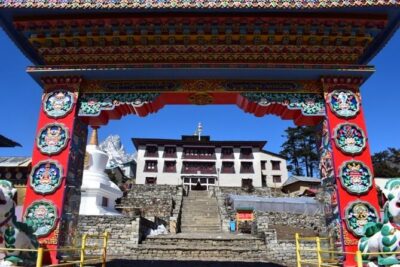
Browse the lists this tour appears in