
Reviewed · PEAK CLIMBING
Island Peak Adventure
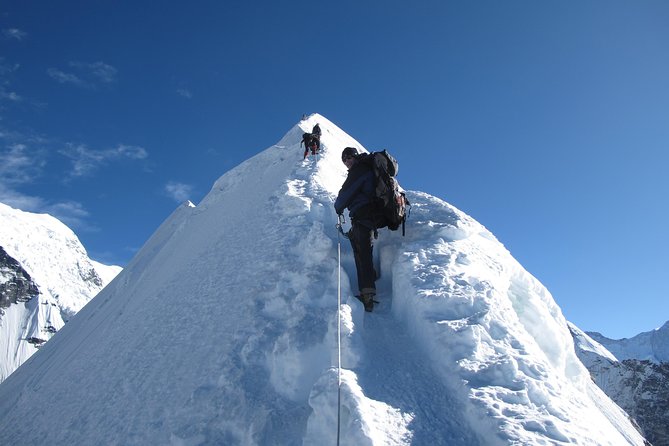
Island Peak is interesting because it mixes a classic Khumbu trek with a real 6,187 m summit climb, where ice tools and glacier travel are part of the day. I love the way the schedule builds in altitude tuning before you ever start the technical ascent, and I love that your climbing Sherpa handles the practical skills so you know what to do on the mountain. The main consideration is altitude and weather, since the summit day runs early and the whole expedition depends on workable conditions.
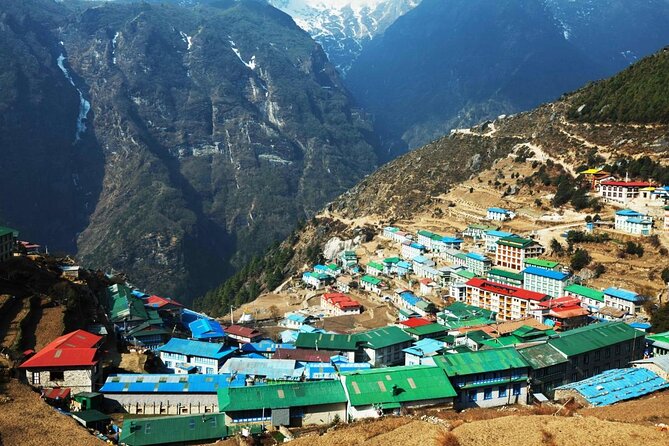
You also get a nice blend of Nepal culture and mountain time. I like the serious focus on spiritual places like Tengboche, where you can observe a monastery prayer ceremony, plus the Sherpa energy of Namche Bazaar. In strong Ace teams, guides such as Madan and assistants like Sauman (names you may see in the field) are paired with a skilled climbing Sherpa, with strong support reported from porter staff too.
Ace Island Peak: What Makes It Worth Your Time
- A true climb at 6,187 m, not just a walk in the park, with glacier and crevasse travel on the summit route
- Climbing Sherpa-led skills and gear support, including rope, ice screws, snow bar, and an ice hammer
- Acclimatization that actually shows up in the calendar, with extra days in Namche and at base camp
- Cultural stops that feel relevant, especially Tengboche and the Sherpa villages like Pangboche
- Small group promise, with a maximum of 15 travelers and a porter for every two clients
- A built-in weather buffer on the Kathmandu side, using a spare day if Lukla timing gets messy
Why Island Peak Still Feels Like a Real Achievement
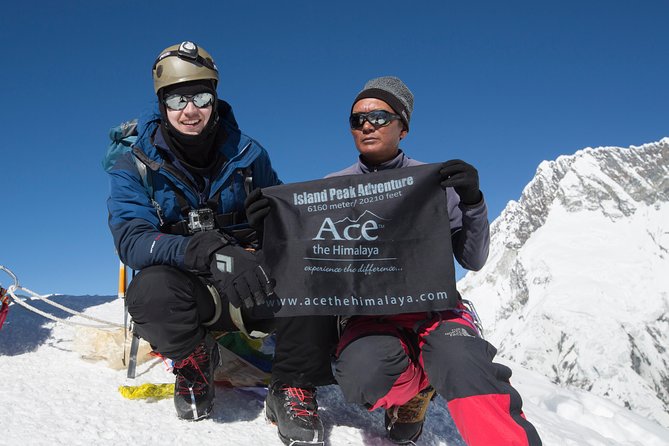
Island Peak sits in the Khumbu Himalayan range, and it’s one of those popular peaks that stays popular for a reason. It is busy compared to many less-traveled summits, but that does not make it easier. You’re still going high, still working through altitude, and still dealing with the actual mechanics of climbing.
What I like about this trip format is that it treats the mountain as a process, not a single moment. You start with trek days that gently shape your breathing and legs, then you move into the climbing zone with training and practice before summit day.
If you are the type who wants proof of effort, not just a view from a viewpoint, Island Peak delivers. On a clear summit day, you get major-neighbor views too, with peaks like Lhotse, Nuptse, Ama Dablam, and Makalu described as nearly touching your line of sight.
The drawback? You need to show up in good shape for a high-altitude, multi-day plan. And even with good planning, weather can still limit what happens on the day you want most.
More trekking peaks with guided ascents:
- Mera Peak Climbing
★ 5.0 · 33 reviews - Everest Base Camp Trek with Island Peak Climbing
★ 5.0 · 14 reviews - 16 Days Island Peak Climbing With Everest Base Camp Private Trip
★ 5.0 · 3 reviews
Ace the Himalaya Setup: Small Group, Real Support, Fewer Headaches
This is a structured, guided expedition with a group capped at 15 travelers. That cap matters on a crowded route like Island Peak because it keeps decision-making simpler and helps your guide manage pace, equipment checks, and timing.
You also get porter support, with a porter for every two clients. That typically means you carry less weight than you would on a DIY trek, which is a big deal once you are climbing in colder air.
In the Kathmandu start stretch, you’ll get airport transfers, and you’ll have a pre-trip meeting in the office either on Day 1 or Day 2. The meeting is where you confirm key items, sign the legally binding trip form, and handle the non-liability disclaimer. Bring what they ask for: your passport, three copies of passport-size photos, and a readable copy of your travel insurance policy. It also says you should clear any due balance if needed.
One more support point I appreciate: the trip includes group climbing gear and also down jacket and a sleeping bag for the trek, to be returned after. That can save you money and clutter, though you still need to bring your personal trekking equipment.
Kathmandu Warm-Up: Temples, Stupa Spirals, and Bhaktapur Details
Your trip starts in Kathmandu with sightseeing that gives you a quick cultural hit before the trekking grind.
On Day 2, you visit:
- Pashupatinath Temple on the Bagmati River. You cannot go inside because it is strictly for Hindus, but you can see the main action from the eastern bank.
- Boudhanath Stupa, where Buddhist pilgrims spin prayer wheels. It’s one of those places where the movement is part of the experience.
- Bhaktapur Durbar Square, including landmarks such as the Nyatapola-style pagoda temples and the famous Palace of 55 windows.
This Kathmandu block is not just checklist tourism. It’s a chance to see how Nepal handles spirituality and community life, before you go into the more silent mountain world.
You stay in Kathmandu for four nights, in a three-star hotel with twin-share or double rooms. You’ll also have time to get organized, which helps you avoid that classic problem of arriving and rushing to buy forgotten essentials.
Flight to Lukla, Then Phakding: Getting Your Legs Ready
On Day 3, you fly from Kathmandu to Lukla, about 35 minutes, then you start trekking from Lukla down into the Dudh Kosi valley route.
You trek to Phakding, around a three-hour walking segment after arrival, and it’s framed as an easy start with time to explore the village while your Sherpa crew sorts and loads equipment.
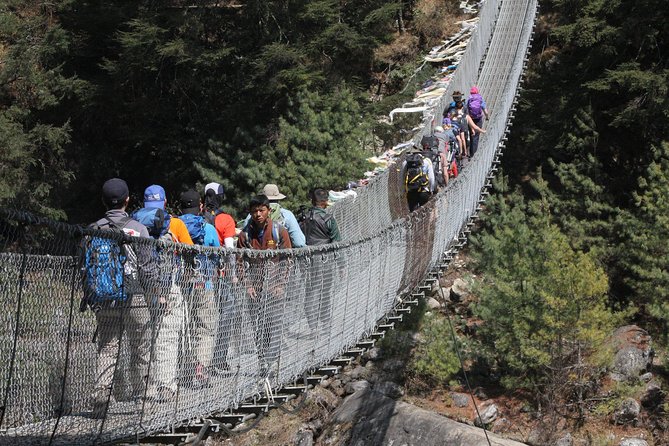
The bigger value here is rhythm. You get suspension bridges over the Dudh Kosi, and you start seeing how the trail is built for steady footwork. Even if the climb is later, your body needs time to become comfortable walking on uneven ground.
Phakding also helps you settle mentally. If you are prone to overthinking, this early village stop gives you breathing room.
More to compare around Kathmandu
- Kathmandu: 7 UNESCO Sites with Lunch
★ 4.8 · 744 reviews - Everest Base Camp Helicopter Tour landing at Everest View Hotel
★ 5.0 · 668 reviews - Kathmandu: Local Women-Led Nepali Cooking & Momo Class
★ 4.9 · 360 reviews - Manaslu Circuit Trek
★ 5.0 · 292 reviews
Namche Bazaar: The Altitude Checkpoint You Actually Use
Namche Bazaar is your big acclimatization hub, and the schedule builds in time here rather than skimming through.
You trek toward Namche by following the Dudh Kosi banks and crossing multiple suspension bridges with prayer flags. You also enter Sagarmartha National Park during this approach, and the views are a recurring theme as the trail rises.
On arrival, Namche functions as the main base for services like lodges, shops, and exchange. You also get internet cafes and bakeries along the way, which is useful because you’ll want to message family and get your plans straight once the weather starts to matter.
Day 5 is a deliberate adjustment day. You get a short trek to a Sherpa-customs museum, then a hike up toward Syangboche Airport near the Everest View Hotel area for panorama views, including sunrise and sunset over Khumbu peaks.
This matters because your goal is Island Peak, not just Everest-watching. The higher you go, the more that gentle altitude exposure reduces the risk of getting knocked out by symptoms later.
Tengboche: Monastery Views and the Prayer Ceremony Moment
After Namche, you continue the climb toward Tengboche.
Day 6 is roughly a five-hour trek, and you’ll arrive at Tengboche with the monastery clearly visible. The program has you visiting the monastery interior, where wall hangings and a large Buddha sculpture are described, along with musical instruments and robes of the Lamas.
Then comes a very specific highlight: the group is taken to observe a prayer ceremony either in the evening or morning, depending on how the day’s trekking progressed.
If you want a mountain trip that feels more grounded in local life, this is one of the best moments to slow down. Even if you are focused on summit goals, Tengboche is where the trek stops feeling like logistics and starts feeling like place.
From Dingboche to Chukhung: Island Peak Prep Begins
From Tengboche you move through Debuche and Pangboche among mani stones, then head toward Dingboche.
Dingboche is described as a quaint Sherpa village with excellent views of Lhotse, Island Peak, and Ama Dablam. This is the point where you are looking at your future climb in the distance, which can be motivating if you keep it realistic.
Chukhung is the next step, and it’s four hours of walking. Here the trip emphasizes altitude adjustment for Island Peak. You also get important information about the climb and the next day’s activities.
This is where I think this tour earns its reputation for being less stressful. It gives you the mountain context and the practical game plan before you are hanging around on ice. If you’ve ever climbed with unclear instructions, you know how costly that can feel.
Imja Tse Base Camp: Two Nights in Tents, With Chef-Prepared Meals
On Day 9, you trek to Island Peak base camp around Imja Tse, about four hours from Chukhung.
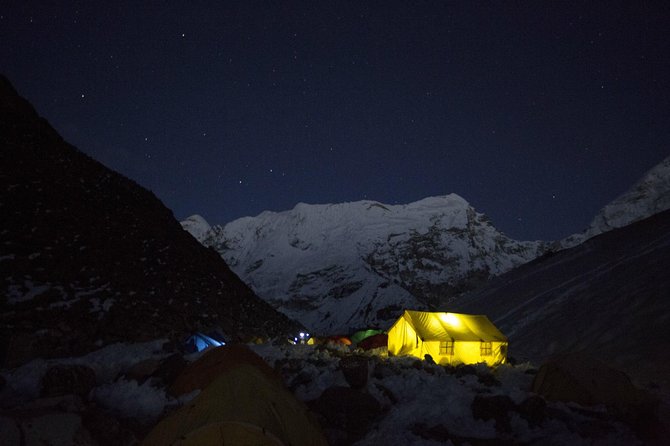
Starting this day, accommodations shift to tented camps for the next two days. Food is prepared by a professional chef, which is a big deal when your appetite and sleep patterns are already affected by altitude and cold.
Day 10 is another key adjustment day, with a short trek around base camp to get ready for the big 6,000 m style adventure tomorrow morning. Think of this as a physical and mental warm-up, not just rest.
This is also the part where you should expect the “how to climb” work to land. The trip overview mentions an essential climbing practice course led by the climbing Sherpa, focused on climbing techniques. Even if your first exposure to tools happens here, the point is to get you ready to move safely and efficiently.
Summit Day on Island Peak: Early Start, Glacier Travel, and a Top That Feels Close
Day 11 is the main adventure day.
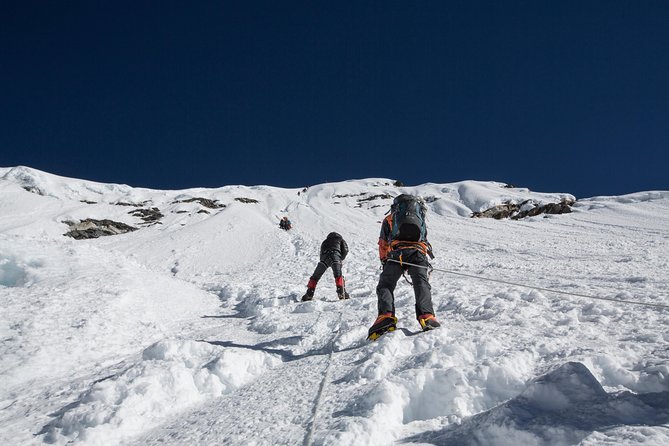
Weather permitting, you start early in the morning and climb Island Peak, reaching 6,187 m. The route described is specific enough to help you imagine the shape of the day:
- After Camp 1, you ascend through a gully.
- Then you traverse to the right.
- You work across a wide stone field.
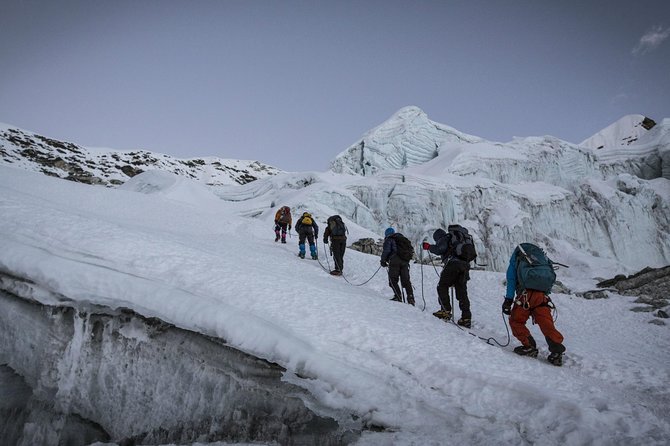
- Next you cross the ridge to the glacier and crevasses.
- After a safe summit, you descend and return to Chhukung the same day.
This is where the included climbing gear matters. Rope systems, ice screws, ice hammer, and the rest of the group kit are part of keeping the ascent organized.
Also, this day is not a solo adventure. A trained climbing Sherpa is part of the plan, and that guidance is what keeps you from turning the summit attempt into guesswork.
The best part of the summit day, if conditions are good, is the sensation of reward. The tour description calls out massive panoramas, with major peaks so close they feel like they’re within reach.
The Descent Back to Earth: Tengboche, Namche, and Lukla
After summit day, you descend. Day 12 brings you back down to Tengboche, passing Dingboche, Pangboche, and Diboche, with an estimated six-hour trek.
Then Day 13 returns you to Namche Bazaar. The plan is about five hours of walking, and you end with a more social evening, talking with fellow trekkers over a meal.
Day 14 goes back to Lukla, about five hours. This segment is mentally important because you’ll start thinking, I did it, and then you still have to finish the journey back to the flight runway.
It’s also a good reminder that a summit attempt is not the whole story. Finishing the descent safely is part of the achievement.
Kathmandu Again: Spare Weather Day and a Proper Farewell
Day 15 brings you back to Kathmandu by scenic flight, about 35 minutes, and then you return to your hotel.
Day 16 is smart planning. It’s a spare day in case bad weather affects Lukla. You also get options of what to do, like Chitwan Jungle Safari, river rafting, shopping, or an Everest flight. You even have a farewell dinner in a traditional Nepalese restaurant with cultural performances.
This structure helps you avoid the common frustration of feeling rushed in Kathmandu. If Lukla timing is smooth, you get to enjoy this day. If it isn’t, you still have a cushion.
Price and What You Are Actually Paying For
At $2,240 per person for 17 days, this sits in the “real expedition” category. The value comes from what is included, not the sticker price.
Included highlights that matter:
- Kathmandu hotel stay and airport transfers
- Guided Kathmandu sightseeing with entrance fees
- Trek support: licensed English-speaking trekking guide
- A climbing sherpa for Island Peak
- Permits for trekking and the Island Peak climbing permit
- Kathmandu to Lukla round-trip airfare
- Group climbing gear
- Down jacket and sleeping bag for the trek, to be returned
- Porter support (one porter for every two clients)
- Meals on trek days, with breakfast, lunch, and dinner counted in the package
What is not included:
- Lunch and dinner in Kathmandu
- International airfare and the Nepal entry visa
- Travel insurance that covers emergency high-altitude rescue and evacuation
- Personal trekking equipment
- Tips for trekking staff and driver, which are expected
My practical take: you are paying to reduce your friction and risk. Getting a plan that covers permits, domestic flights, trained guides, and core gear means you can focus on training and readiness at home. The one thing you must not shortcut is insurance, because the itinerary is high altitude and rescue costs can be serious.
Should You Book This Island Peak Adventure?
If you want a guided, structured way to climb a popular 6,000 m-class peak, this is a strong option. I’d especially recommend it if you like the idea of a real climbing summit but you also want real acclimatization days, plus a team that handles technique and safety.
I would not book this trip if you are unsure about your altitude fitness, or if you know you struggle with early starts and cold conditions. Also, if you hate group schedules, this itinerary has a fixed rhythm that you’ll follow.
If you do book, pay attention to the pre-trip meeting documents, bring the kind of travel insurance they ask for, and treat your acclimatization days like part of the summit plan, not downtime.
FAQ
Where does this trip start, and what time do we meet?
It starts at Tribhuvan Airport in Kathmandu, Nepal, with a start time of 8:00 am. The activity ends back at the meeting point.
How long is the Island Peak adventure?
The duration is listed as 17 days, approximately.
What is the maximum group size?
The trip has a maximum of 15 travelers.
What kind of accommodations do I get?
You get four nights in a three-star hotel in Kathmandu (twin-share/double rooms), about 10 nights in guesthouses (twin-share and dormitory rooms), and two nights in tented camps.
What climbing gear and cold-weather gear are included?
Group climbing gear is included, such as climbing rope, ice screw, snow bar, and ice hammer, plus tents and kitchen equipment. You also get a down jacket and sleeping bag for the trek, and those are to be returned.
Are airport transfers and Kathmandu sightseeing included?
Yes. The package includes airport transfers, and it also includes guided sightseeing of Kathmandu with entrance fees during the guided portion.
Are flights between Kathmandu and Lukla included?
Yes. Kathmandu to Lukla to Kathmandu airfare is included, and the flight time is about 35 minutes each way.
What is the refund window if I need to cancel?
You can cancel up to 6 days in advance for a full refund. For a full refund, you must cancel at least 6 full days before the experience start time.
Latest Kathmandu write-ups
- 16 Days Island Peak Climbing With Everest Base Camp Private Trip★ 5.0 · 3 reviews
- 15 Days Round Annapurna Trek with Poon Hill from Pokhara★ 5.0 · 5 reviews
- Private Nepal round trip including Ghorepani Poonhill trek★ 5.0 · 3 reviews
- Everest Base Camp Trekking 16 Days★ 4.0 · 7 reviews
- Everest Base Camp Trek★ 5.0 · 32 reviews
- Everest Base Camp Trek★ 5.0 · 87 reviews
- 14 Days Luxury Annapurna Base Camp Trek★ 5.0 · 6 reviews
- Everest Base Camp Trek★ 5.0 · 97 reviews
Peak Climbing, compared.
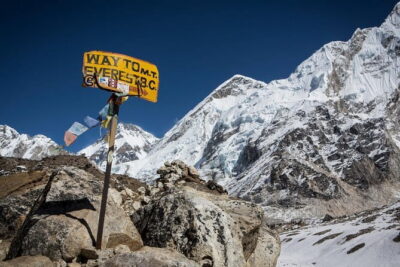
Everest Base Camp Trek with Island Peak Climbing
Read our review →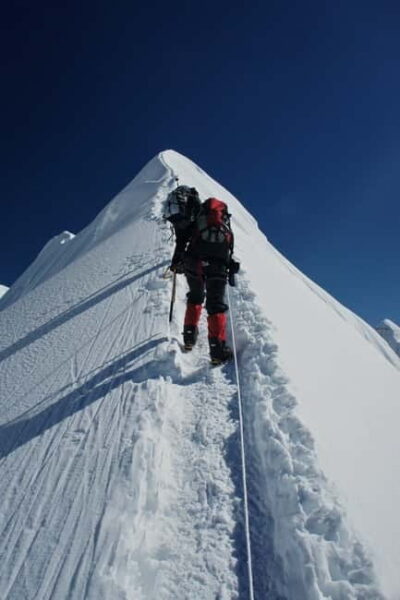
Island Peak Climbing | Summit 6,189m with Expert Guides
Read our review →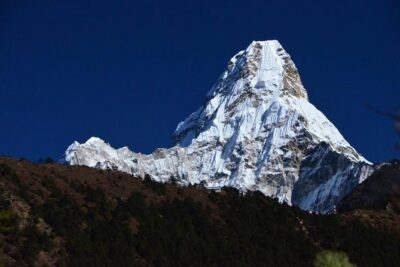
16 Days Island Peak Climbing With Everest Base Camp Private Trip
Read our review →Browse the lists this tour appears in