
Reviewed · LANGTANG VALLEY TREK
Langtang, Gosaikunda and Helambu Trek
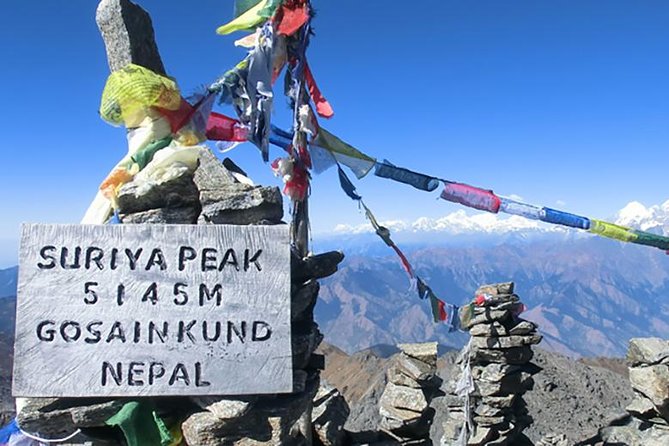
Langtang Gosaikunda Helambu is interesting because it strings together three classic trekking moods north of Kathmandu: forest footpaths, big mountain drama, and a holy high-lake stop. I love the mix of rhododendron and bamboo forests with wildlife sightings, plus those long, clear views toward snow-covered Langtang Lirung. One drawback to plan for is the altitude swing, especially the push up to Gosaikunda at 4,460m.
I also really like that this trip gives you real structure without feeling overly rushed. You get teahouse lodging and all trek meals handled, and the guides and porters are a real part of the experience, not just logistics. If you have moderate fitness and can walk consistently for 4 to 7 hours most days, you should feel in your element.
The main consideration is pacing. This route alternates climbs and longer travel days, including a long vehicle day (Kathmandu to Dhunche can take 7 to 8 hours), so you will want a calm start, especially on Day 2 and Day 4.
Quick highlights to know before you go
- Three trekking areas in one route: Langtang Valley style days, the holy high-lake experience, then the Helambu valley trail feel.
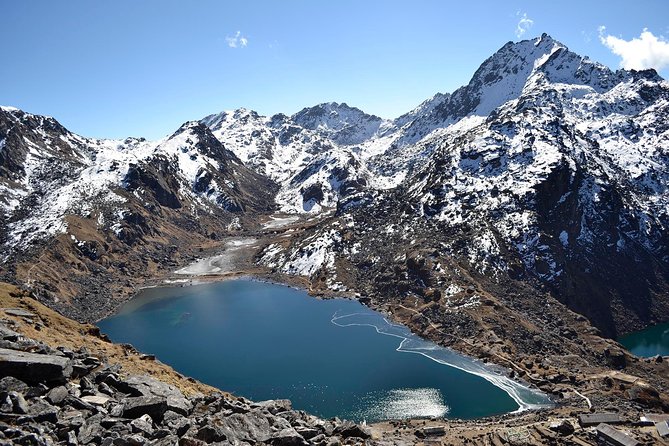
- Gosaikunda at 4,460m: a big-altitude payoff with mountain views when conditions cooperate.
- Forest walking with a chance of wildlife: rhododendron and bamboo forests are part of the day-to-day rhythm.
- Teahouses and included meals: breakfast in Kathmandu, then breakfast lunch dinner on trek days, plus farewell dinners.
- A licensed guide team: English-speaking trek leader and assistant trek leader, plus porters (1 porter for 2 trekkers).
- Value comes from what is handled for you: private airport transfers, ground transport, and even staff insurance and equipment are included.
Langtang Gosaikunda Helambu, three trekking worlds in one north-of-Kathmandu route
This trek works because it does not just chase altitude. You move through different environments, and each one changes the feel of the walk.
In the Langtang range days, you will spend time in forest scenery, including rhododendron and bamboo. That matters because your body gets steady effort while your eyes get constant variety. It also gives you a better shot at small wildlife moments, since forest edges and quieter stretches can surprise you.
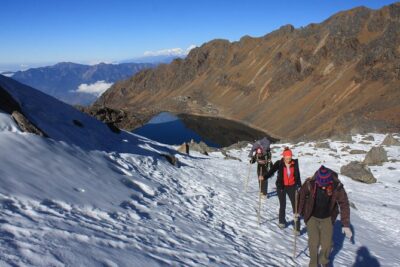
Then comes the dramatic shift: Gosaikunda, the holy high-lake stop. Even if you have seen high lakes before, this one hits differently because it is framed by mountain scale and spiritual tradition. You reach it after a climbing day, so when you arrive, you are not just looking at a view, you are breathing in the effort you just put in.
Finally, the Helambu valley style sections bring a different rhythm, with lower altitude compared to the top day and plenty of chances to relax into the journey. That blend is why this trek appeals to people who want nature, culture, and mountain scenery without needing a technical climb.
More of the Langtang valley:
- Kathmandu: 6-Day Limitless Langtang Trek
★ 5.0 · 21 reviews - Langtang Gosainkunda Trek
★ 5.0 · 5 reviews - Kathmandu: 6 Days Langtang Valley Trek
★ 5.0 · 3 reviews
Day 1 in Kathmandu, set your pace before the walking starts
Day 1 is simple: arrival at Tribhuvan International Airport and time in Kathmandu (around 1,320m). The trip includes a 3-star hotel with breakfast and airport pickup and drop-off in a private vehicle, so you avoid the typical first-night scramble.
This is the day to do two practical things.
1) Get your layers organized for mountain weather. Kathmandu can feel mild, while the route later will ask for warmth fast.
2) Do not load up your schedule with extra plans. Sleep matters when you are heading uphill for 10 days.
Day 2 Kathmandu to Dhunche, a long ride that acts like a forced warm-up
Day 2 is a road day from Kathmandu to Dhunche (around 2,050m) that takes 7 to 8 hours. That is a serious chunk of transit, so I treat this day like part of the acclimatization plan. You want to keep your body loose, drink water, and try to rest when you can.
The trip also includes ground transportation on a comfortable private vehicle and a tourist bus segment (Kathmandu to Syabrubesi to Kathmandu) is part of the included setup. Practically, that means the operators have arranged the common route logistics on either side of the trek, so you are not figuring out connections when tired.
If you are prone to motion sickness, this is your cue to prepare. A quiet, gradual start after Day 2 makes the walking days feel more manageable.
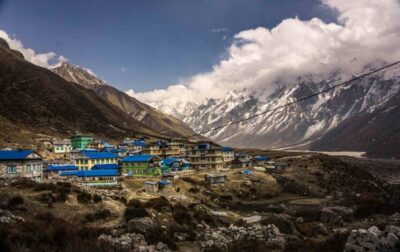
Day 3 Dhunche to Shin Gompa, the first real taste of the Langtang mood
Day 3 is a trek from Dhunche to Shin Gompa (about 4 to 5 hours). Even without a long list of named highlights for this stage, this day often matters because it sets your walking rhythm.
You are leaving the road behind and entering the day-to-day world of trails, ridges, and small elevation changes. This is where your guide team becomes important, especially if conditions shift. A government-licensed trek leader with an assistant guide can help you keep pace, adjust for weather, and keep group energy steady.
Also, since the trip runs with teahouse lodging, you are learning the basic rhythm of tea house life: shared space, simple meals, and a warm plan for the next day.
More of the Gosaikunda lakes:
- From Kathmandu: 5-Day Gosaikunda Lake Trek
★ 5.0 · 4 reviews
Day 4 Shin Gompa to Gosaikunda, the holy lake day and the altitude test at 4,460m
Day 4 is the big one: Shin Gompa to Gosaikunda, about 5 to 6 hours, reaching 4,460m. This is the altitude target day, and it is also where the trip’s character becomes unmistakable.
The route is described as traveling through rhododendron and bamboo forests, and that continues to matter here because forest terrain gives you gradual effort while trees frame the scenery. As you climb higher, the sense of exposure increases and your breathing becomes more noticeable. The climb is worth it because the views tie directly to the iconic mountains in the Langtang region, including Langtang Lirung.
One practical thing: do not make this day a race. At this height, steady and controlled beats fast. If you start off slow, you usually feel better when you reach the lake.
Day 5 Gosaikunda to Phedi, a high drop that keeps you working
Day 5 is a trek from Gosaikunda down to Phedi (about 6 to 7 hours), around 3,600m. This is not a “rest day.” It is a longer travel day after the high-lake experience, so your legs need to stay fresh.
What I like about a design like this is the way it helps you keep moving through the acclimatization story. You get relief from the highest altitude, but you still stay in trekking mode. The reward is that the scenery continues to shift, even as your altitude decreases.
If you are thinking about footwear, this is where quality traction matters. Long descents can feel easy in theory, but they beat up tired knees.
Day 6 Phedi to Tharepati, return to altitude for the views at 3,900m
Day 6 is Phedi to Tharepati (about 5 to 6 hours) reaching roughly 3,900m. This day sits in an interesting zone: you are not at the peak altitude of the route, but you are still high enough for the mountain presence to feel strong.
This is also an ideal day to notice how the vegetation changes with altitude. Earlier you were dealing with rhododendron and bamboo environments. Higher up, you will typically feel the air get sharper and the trail setting gets more open.
If the sky is clear, this is where you can enjoy the sense of scale. The trip is described as delivering views of snow-covered giants and mountain ranges in the distance, including Manaslu and the Annapurna range. Even when clouds roll in, the day’s breathing-room feeling often comes from being above the tree line pockets.
Day 7 Tharepati to Kutungsung, drop toward lower valley walking at 2,450m
Day 7 is a trek from Tharepati to Kutungsung (about 5 to 6 hours) around 2,450m. This is where the route starts to feel less like climbing and more like settling into the valley experience.
Lower altitude does not mean easy. Your day can still feel long because the trail rhythm changes, and you have to keep walking consistently. But it is a relief compared to the heavier altitude pressure days.
This stage also connects to what the trek is promising overall: forest scenery, wildlife chances, and waterfall views. Even if a waterfall is small in the moment, you usually get the sound cues before you see it.
Day 8 Kutungsung to Chisopani, the trail turns scenic and social
Day 8 is Kutungsung to Chisopani (about 6 to 7 hours) around 2,250m. Chisopani is one of those trekking stops where the valley life vibe becomes more real. You will likely feel more guesthouse conversation, more shared hot drinks, and a stronger sense that the trek is nearing its end.
This is also a good day for regrouping. If you have any minor aches starting to show, this is where steady walking and good hydration can prevent problems from compounding.
Day 9 Chisopani to Sundarijal, finish on two feet then switch to wheels
Day 9 starts with a trek from Chisopani to Sundarijal (around 1,510m), then continues by drive to Kathmandu. The trek segment is described as part of the day, followed by vehicle travel.
This is the transition day. You trade trail focus for road riding, which can be both soothing and a bit jolting if you do not keep your body relaxed. It is included, and it closes the loop back to the capital where you can finally sit down without a pack on your shoulders.
Day 10 departure, your last morning in the mountains
Day 10 is departure from Kathmandu. If you want an easy final day, treat it like that, easy. No big side quests if you can avoid it. Your body will thank you for it.
Teahouses and included meals, what you actually get day to day
One of the strongest parts of this package is the way it handles food and lodging during the trek.
Included on the trek:
- Teahouse accommodation
- All meals during trekking days: breakfast, lunch, dinner
- Farewell dinners
- A medical kit carried by your trek leader
Included in Kathmandu:
- Airport pickups and drops in a private vehicle
- 3-star hotel accommodation with breakfast
Why this matters for value: when meals and beds are managed, you can spend your energy on walking and acclimatizing. You are not shopping constantly for basic costs, or wondering if you will find food at the next stop.
What is not included (and you should budget for it):
- Lunch and dinner in Kathmandu
- Visa fee
- International airfare
- Travel and rescue insurance
- Personal expenses like phone calls, laundry, bar bills, battery recharge, shower, bottle or boiled water, and anything beyond what you agreed for porter support.
Tip I stick to: if you know you will want extra hot drinks or snacks, plan a little extra cash. Included meals cover the essentials, not every little extra.
Guides and porters, the difference between a trek and a stress test
This is where the supplied reviews shine, because the operator’s staff is repeatedly described as helpful, professional, and good at English communication and timing.
Names that show up in past experiences include:
- Binod as a guide
- Ngima Tamang as a guide
- Ganesh as a guide
- Rupak in Kathmandu support
Across these comments, a consistent theme is that the team feels welcoming and organized, and that you are not just handed a route and left to figure it out. That matters most on days like Day 4 up to Gosaikunda and the longer walking segments, when small changes in pace or route decisions can make the difference between feeling okay and feeling miserable.
Porters are also highlighted as well equipped and professional. The included porter setup is clear: 1 porter for 2 trekkers. That ratio is meaningful. If you are carrying too much, every uphill day costs you double.
I also like the emphasis on time management. When guides keep things on track without turning the trek into a sprint, you usually end up with better views and less exhaustion.
Price and logistics, does $850 per group make sense for what’s included
The price is $850 per group, up to 15 people, for roughly 10 days. That can sound high or low depending on group size, so here is the honest way to think about it.
- If you travel as a small group (like close to the minimum of 2 people), the cost per person is much higher.
- If you fill more of the group size limit, the per-person cost drops.
Value comes from what is bundled: airport transfers, hotel nights, teahouse lodging, all trek meals, private ground transport, an experienced licensed guide team with an assistant, porter support, and a medical kit. You are also covered for staff costs like salary, insurance, equipment, food, and accommodation, plus government and local taxes.
So the question is not just the sticker price. The real question is whether you want the peace of mind of a fully organized package where food, beds, and day-to-day coordination are handled for you. If you do, this kind of trek pricing often starts to feel fair fast, especially compared with piecing it all together yourself.
One logistics note: it is a private tour/activity, meaning only your group participates. That generally helps the experience feel tailored, even though group size can still be up to 15.
Fitness, altitude, and weather conditions you should respect
The trek is labeled moderate fitness, and the route includes days that can last 4 to 7 hours. That is not a casual walk, but it is also not described as requiring technical climbing.
Your highest point is the key number: Gosaikunda at 4,460m. You also spend multiple days near 3,900m and 3,600m, so your body has to adjust gradually. The itinerary’s pattern of climbing and then dropping, then climbing again, suggests that the trek is designed to keep you moving while your system adapts.
Weather matters too. The tour states it operates in all weather conditions, so you must dress appropriately. In practice, that means bringing layers you can regulate. Even in seasons where it seems calm in Kathmandu, higher elevations can change quickly.
Also, it is not recommended for children aged 10 and under. That is a good boundary to take seriously if you are traveling with a family.
Who this trek suits best, and who should think twice
This trek suits you if:
- You want a guided route with meals and teahouse beds included
- You like forest walking and wildlife possibilities
- You want the holy lake experience at Gosaikunda
- You can handle 4 to 7 hour walking days with some altitude pressure
It might not be ideal if:
- You dislike long vehicle days, especially the 7 to 8 hour drive from Kathmandu to Dhunche
- You struggle with steady pace hiking at higher elevations
- You are traveling with a child under the stated age recommendation
Should you book Langtang Gosaikunda Helambu?
I would book this trek if your priority is a well-run mountain week that handles the hard parts for you, like food, lodging, and day-to-day coordination. The included guide team, porter ratio, teahouse comfort, and the focus on the holy high-lake day at Gosaikunda are exactly what make this route feel worth the effort.
If you are choosing between self-planning versus an organized trek, this is the type of itinerary where organization pays off, because altitude, trail timing, and meal planning all stack together. Go for it if you want the trail, not the paperwork. Pass if you want to carry everything yourself and improvise every overnight meal.
FAQ
How long is the Langtang Gosaikunda Helambu trek?
It runs for about 10 days, with arrival in Kathmandu on Day 1 and departure from Kathmandu on Day 10.
Where does the trek start and end?
It starts in Kathmandu. It ends back in Kathmandu after trekking to Sundarijal and then driving back.
What is included in the trek cost?
The price includes airport pickups and drops in a private vehicle, a 3-star hotel in Kathmandu with breakfast, teahouse accommodation during the trek, all meals during the trek, farewell dinners, all ground transportation as per the itinerary, a tourist bus on the Kathmandu-Syabrubesi-Kathmandu route, and an experienced licensed guide team with porter service.
Do I need a porter?
Porter service is included with a ratio of 1 porter for 2 trekkers.
What kind of fitness level do I need?
The trek is described as suitable for travelers with a moderate physical fitness level.
Is travel insurance included?
No. Travel and rescue insurance is not included.
What is the cancellation policy?
Free cancellation is available if you cancel at least 24 hours in advance of the experience start time for a full refund. If you cancel less than 24 hours before, you will not receive a refund.
Latest Kathmandu write-ups
- 16 Days Island Peak Climbing With Everest Base Camp Private Trip★ 5.0 · 3 reviews
- 15 Days Round Annapurna Trek with Poon Hill from Pokhara★ 5.0 · 5 reviews
- Private Nepal round trip including Ghorepani Poonhill trek★ 5.0 · 3 reviews
- Everest Base Camp Trekking 16 Days★ 4.0 · 7 reviews
- 14 Days Luxury Annapurna Base Camp Trek★ 5.0 · 6 reviews
- Everest Base Camp Trek★ 5.0 · 32 reviews
- Everest Base Camp Trek★ 5.0 · 87 reviews
- Everest Base Camp Trek★ 5.0 · 97 reviews
Langtang Valley Trek, compared.
Browse the lists this tour appears in