
Reviewed · MANASLU CIRCUIT TREK
Manaslu Circuit Trek 8th Highest in the World
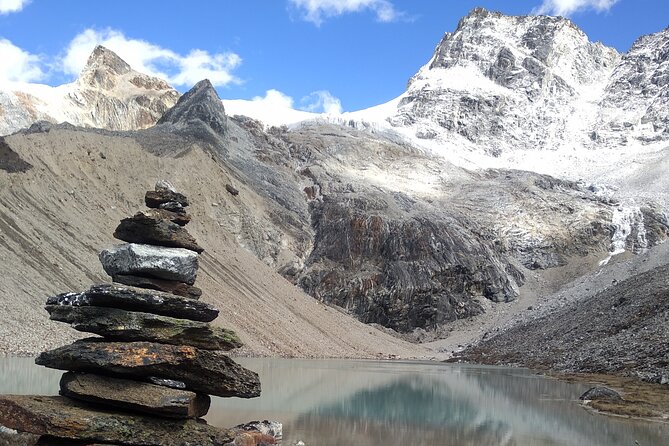
Manaslu Circuit is interesting because it feels remote in a way most Nepal treks do not. You trek through a restricted area that still follows strict rules, so the route stays quieter and more local. You also get big Himalayan moments, Manaslu at 8,163 m, plus Tibetan-influenced villages and rugged days that build confidence step by step.
I especially like two things. First, the people side, with guides and porters like Roshan and Sudip described as genuinely attentive and safety-minded, not just there to move you along. Second, the value is real for a trek that includes permits, private support, and three meals a day plus Kathmandu hotel nights.
One possible drawback to consider: this is not a casual hike. You need strong fitness, and the region rules mean you must trek with a registered Nepali company and have at least two trekkers in your group (not counting guide and porter). If you are solo, you will want to confirm how they structure group compliance before you pay.
Key things that make this trek a smart bet
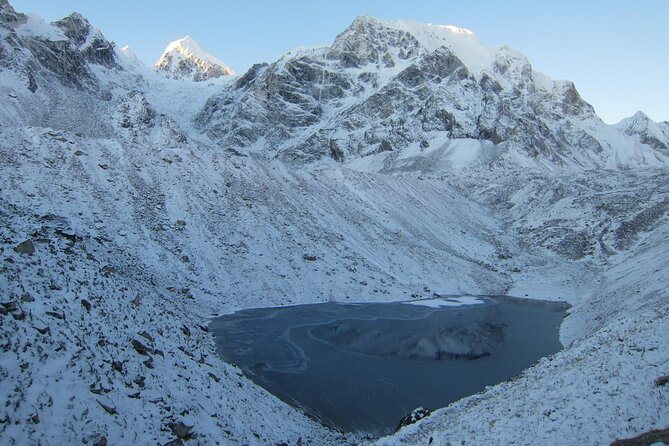
- Restricted Manaslu region experience that stays less crowded and more traditional
- Manaslu and neighbor peaks views from areas like Samagaun and Samdo
- Larkya La planning with early sunrise timing and wind awareness
- Side trip option to the Tibetan border from Samdo (about 8 hours)
- Guide and porter support that focuses on comfort and practical needs, not just pace
Why the Manaslu Circuit feels different than the famous routes
Most Nepal treks have a predictable rhythm. Manaslu Circuit does not. The big reason is the setup: this trek runs through a restricted area, which comes with expensive permits and strict operating rules. In practice, that usually means fewer trekkers on trail and a stronger chance you will feel like you are traveling inside the region, not just checking boxes.
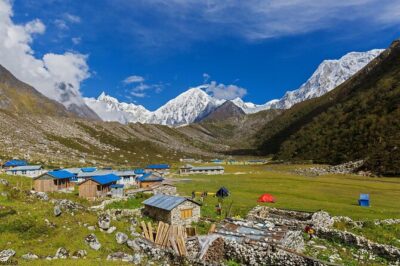
I like that this trek has variety built in. You get river valleys, forests, high passes, and villages where Tibetan culture shows up in daily life and architecture. Places like Samagaun and Samdo are often where the air feels sharper and the culture feels closer to the Tibetan border.
Another reason it is worth considering is the way the trek connects to other iconic Nepal trekking terrain. By the later days, you join the more popular Annapurna Circuit trail for a stretch, so you get both: the quiet Manaslu feeling early, then a more established path later.
More of the Manaslu Circuit:
- Manaslu Circuit Trek
★ 5.0 · 292 reviews - Manaslu Circuit Trek
★ 5.0 · 184 reviews - Manaslu Circuit Trek:
★ 5.0 · 106 reviews
Kathmandu start: Thamel, Durbar Square, and getting gear sorted
The trek starts in Kathmandu, with airport pickup and drop included. You arrive, get oriented, and head to Thamel for your hotel stay in a tourist-standard place. I like that the company uses a simple rhythm: manage the travel day, then use the next day to prepare properly for the mountains.
On your Kathmandu day, you visit Kathmandu Durbar Square. Admission ticket is not included, so you will want to have a little extra cash for that. The more useful part, though, is that you analyze your gear needs and can rent, buy, or receive items through the team if they have options.
Why this matters: Manaslu is remote enough that you do not want to play catch-up later. Small things like warm layers, solid footwear, and rain protection can make the difference between “fine” and miserable. Having a gear check before you drive out also helps you feel calmer when the trek starts.
Tip I recommend: don’t wait until the first big climb day to fix issues. If your packing feels messy, use this Kathmandu window to simplify. The team is set up to help with practical gear planning.
Into the hills: Machha Khola to Tatopani, then onward to Salleri
After Kathmandu, you drive to Machha Khola. Expect a bus ride that can be lengthy and bumpy depending on road conditions, so plan to be patient and ready for that road feeling. This is one of those segments where a good driver and a comfortable seat matter, and having ground transport arranged is a real benefit.
From Machha Khola, the next day starts with river crossings and an ascent toward Khorla Besi. You follow a river valley with waterfalls and landslides along the way, and you eventually reach Tatopani. Tatopani is known for natural hot springs, and even if you just soak for a short time, it is a nice mental reset after a tougher walk.
Then you continue with a mix of trekking down and moving through terrain that gradually shifts your rhythm. On the way to Sirdibas and then Salleri, you pick up early signs of Buddhist culture and you start getting Himalayan views. Salleri is a standout early visual stop because you can catch views of Sringi Himal (7,187 m).
What to watch for on these early days: your body is still adjusting to hiking for real. Even if the miles feel manageable, the altitude trend can surprise you. I like that the itinerary starts you along rivers and ridges first, so you build habits before the higher, colder days.
Namrung, Samagaun, and the big Manaslu-view days
As you move deeper into the route, the trek starts feeling more like a series of connected valleys. You pass through areas like Namrung and move toward Ghap, trekking down into the SringiKhola Valley, crossing rivers, and walking through forests.
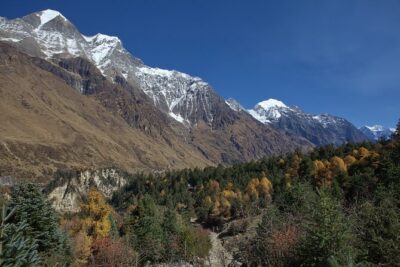
These middle days are about two things: legs and senses. Your legs learn the steady uphill and downhill rhythm. Your senses learn what changes at higher elevations, like cooler nights and clearer, sharper views. The route descriptions focus on forests, cooler air, and expanding sightlines, which is exactly what you want before you reach the more exposed areas.
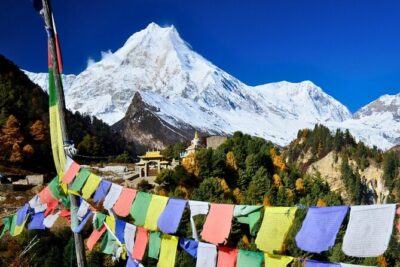
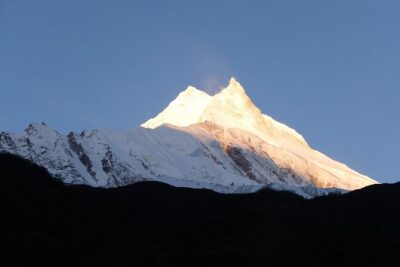
Then comes Samagaun, a key cultural and view day. Tibetan influence is noticeable, and the scenery opens toward major peaks, including Manaslu (8,163 m), Manaslu North (7,157 m), and Naike Peak (5,515 m). This is the kind of day where your pace tends to slow naturally because you are taking in the mountains and the feel of the villages.
I also like that this section is designed as a gradual lift. You keep moving, but the itinerary does not throw you straight into the hardest pass day without preparation.
More to compare around Kathmandu
- Everest Base Camp Trek – 14 Days
★ 5.0 · 1,499 reviews - Everest Base Camp Trek
★ 5.0 · 842 reviews - Private Kathmandu Sightseeing Tour | UNESCO World Heritage sites
★ 5.0 · 756 reviews - Kathmandu: 7 UNESCO Sites with Lunch
★ 4.8 · 744 reviews
Samdo days: easy walking, real altitude, and the Tibetan border option
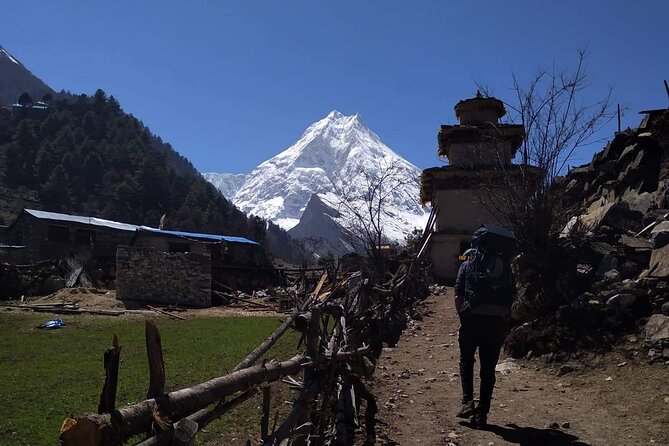
Your next target is Samdo, with a day that can feel easier on paper. Much of the walking goes through juniper and birch forests with flatter stretches via KermoKharka, and then you hike down to cross a river where waters meet the Budhi Gandaki and ShyaleKhola.
I like that the itinerary gives you at least one “groove day” here. The altitude still matters, but you get a chance to settle into a rhythm. You can focus on breathing, hydration, and slow, steady foot placement.
Samdo is also where you get a serious optional experience: an 8-hour side trip to the Tibetan border. You take a packed lunch and plenty of drinking water. If you are the type who likes one more adventure day and you are feeling good physically, this is a strong way to turn a resting-later-elevation stop into something meaningful.
If you do the border option, keep your mindset simple. This is a long day, so pace matters more than ambition. If you skip it, you can still enjoy Samdo for what it is: daily life in a high village and the kind of quiet that makes you notice small things.
Larkya La planning: sunrise timing, torch-ready mornings, and a long day
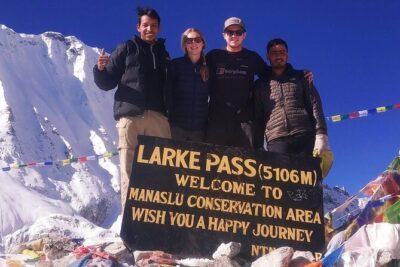
The route’s big mountain moment is crossing Larkya La Pass. But before the pass, you spend a day trekking to Larkya Guest House, described as the final stop before the pass. You descend to around 3,850 meters to cross the Budhi Gandaki, then climb through juniper and tundra and move in and out of ravines.
This is where a good guide really shows up. You need consistent decisions about pacing, footing, and staying warm. Even if the weather looks decent, conditions can change fast at higher elevations.
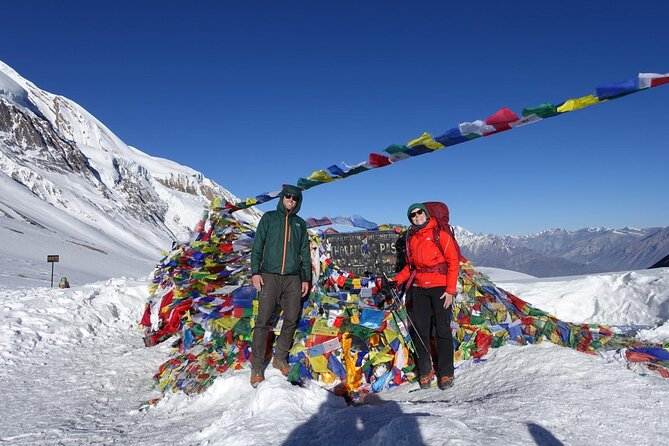
Then you do the pass day with specific timing: you leave early to catch sunrise over the pass and to avoid the strong wind after midday. You are also advised to keep your torch close by because the walk starts steep and stunning in colder, darker conditions.
Practical advice for this morning: treat it like a technical hike. Do not rush. Put your foot down carefully, breathe steadily, and drink even when you do not feel thirsty. This is also a day where layer management matters, because you can feel cold at first, then warm as you climb.
After you cross and continue, you transition toward the descent phase, and the itinerary steers you toward relief and reset in the next valleys.
From Bimtang to Dharapani: leaving Manaslu behind, joining Annapurna trails
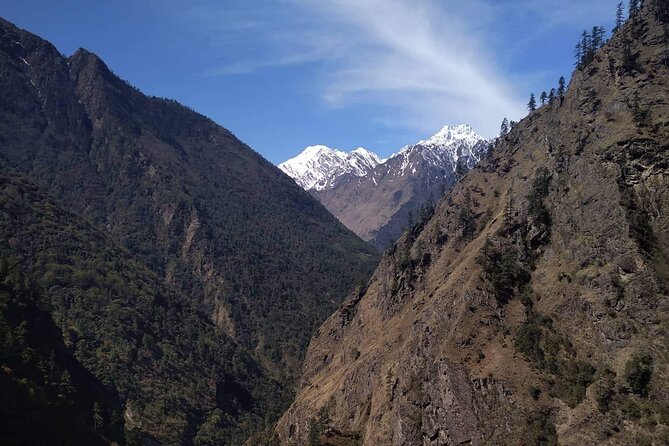
After the pass, you trek toward Dharapani. The day route includes moving from Bimtang through forests and pastures of the Dudh Khola Valley. You then reach Dharapani, where you join the more popular Annapurna Circuit Trek trail thanks to Manaslu.
I like this stage because it is a psychological shift. The toughest elevation work is behind you, and now you focus on steady descent and recovery. You also tend to see more trekking infrastructure as you join a more popular corridor, which can make the end days feel less isolated.
From a comfort standpoint, these mid-to-late days are where your body starts to demand better pacing. Your knees and ankles do the work, so your guide will likely keep you moving in a rhythm that balances safety and time.
Jagat, then Besisahar and back to Kathmandu
The next day you descend from Dharapani toward Jagat, with the route described near the Marsyangdi Nadi Gorge. The itinerary also notes that depending on road conditions, you can charter a Jeep. That is not a guarantee, but it is a helpful option when you want to reduce time on rough roads.
Finally, on the last day you travel to Besisahar in a shared Jeep, get views of the village around Besisahar, then take a bus back to Kathmandu. This is the “wrap it up” day, where having transport handled is a relief. You do not want to spend your last hours negotiating details.
Price and what $1,600 gets you in real value
At $1,600 per person, this trek is not cheap. But for a restricted-area circuit trek, it can make more sense than it looks at first glance.
Here is what is included that affects true cost:
- Airport pickup and drop
- Three meals a day plus Kathmandu breakfast
- Kathmandu hotel nights at tourist standard
- Guesthouse accommodation on the trek
- Ground transportation
- Necessary permits, including a special permit for $100
- A professional guide, porter support, and their expenses including insurance and equipment
Not included is also important: beverages and tips, your travel insurance, personal expenses, and food in Kathmandu beyond the daily breakfast.
So what are you really paying for? You are paying for access, time, and logistics. Restricted-area permits are expensive for a reason, and the rules require a registered Nepali trekking company. You are also paying for the human support system, not just a route. Guides and porters change the experience in two ways: safety decisions and day-to-day comfort.
If you are the kind of traveler who wants to spend your attention on the hike instead of chasing permits and logistics, this price can feel fair.
Guides and porters: the safety and comfort edge people keep naming
The reviews attached to this trek keep circling back to one theme: support that feels calm and capable. Names like Roshan, Sudip, Dil, and Samir show up in the feedback, and the pattern is consistent.
- Roshan is described as aware of travelers’ needs, including practical breaks and support along the day.
- Sudip is described as kind and helpful as a porter, which matters because the trek experience depends on how well you and your gear move.
- Dil comes up in context of genuine information and smooth assistance, including confidence for people who worried about timing and conditions.
- Samir comes up in a planning-focused way, where the team made steps feel easy before the trek even started.
You should treat this as more than personality. On a trek with a high pass and cold mornings, good support is what helps you manage pace, warmth, and river crossings. It also helps you handle the unexpected, like a road that takes longer than expected.
Who should book this Manaslu Circuit Trek
You should strongly consider this trek if you want:
- A restricted-area Himalayan experience where rules keep the route quieter
- A structured itinerary that manages the hardest day around Larkya La with sunrise timing and wind avoidance
- A team that focuses on comfort and practical needs, not just ticking off distance
You might want to think twice if:
- You are not ready for a serious multi-day trek with at least one long, steep, early morning pass day
- Your group size situation is tricky, because the region rules require at least two trekkers in the group (excluding guide and porter)
When to go and what to expect weather-wise
Your exact weather depends on the month, elevation, and how the season is shaping up. The information you have here does not give a specific best-season calendar.
That said, people associated with Manaslu trekking using this company have described March as having very good conditions and November as working well. I take that as a sign that the team can handle real mountain weather patterns, not only perfect days.
What I recommend for planning: build your packing and layering for cold mornings around the pass and for changing temperatures at elevation. Even if midday feels manageable, early starts can bite.
Should you book this trek?
Book it if you want a remote, rules-based Manaslu Circuit with solid logistics, permits handled, and a guide-portering team that people describe as safety-minded and kind. The itinerary also makes sense for pacing, with early river valleys building toward higher terrain and a clearly planned pass day.
Skip it or ask tough questions first if you need total flexibility on day-by-day timing, or if your fitness plan is still under construction. Also confirm how they handle the at-least-two-trekkers requirement if you are traveling solo.
If you want an adventure that feels more like a journey inside Nepal than a factory-produced trek, this one has the ingredients.
FAQ
How long is the Manaslu Circuit Trek in this package?
It is listed as 14 days approximately.
Where does the trek start and end?
It starts at the Adventure Glacier Treks office area in Kathmandu, at the Best Tour & Travel agency location listed, and the activity ends back at the same meeting point.
Is airport pickup and drop included?
Yes, airport pickup and drop are included.
What is the price per person?
The price is $1,600 per person.
Are meals included during the trek?
Yes. The package includes three meals a day as mentioned in the itinerary, plus breakfast in Kathmandu.
Is accommodation included?
Yes. Kathmandu has accommodation for three nights, and you also have guesthouse accommodation during the trek.
Are trekking permits included?
Yes. Ground transportation and necessary permits are included, including a special permit listed at $100.
What about drinks, tips, and travel insurance?
Beverages, tips, and your insurance are not included.
Is this a private tour?
Yes. It is private, with only your group participating.
Is there an optional side trip on the route?
Yes. From Samdo, there is an optional 8-hour side trip to the Tibetan border with packed lunch and drinking water.
What is the cancellation policy?
Free cancellation is offered. You can cancel up to 24 hours in advance for a full refund, and changes inside that window are not accepted.
Latest Kathmandu write-ups
- Ghorepani Poonhill Trek★ 5.0 · 4 reviews
- Private Lobuche East Peak Climb and Mt Everest Base Camp Trekking★ 5.0 · 4 reviews
- Everest Base Camp Helicopter Tour★ 5.0 · 4 reviews
- Mardi Himal Yoga Trek★ 5.0 · 4 reviews
- Bhaktapur Day Tour with Changu Narayen★ 5.0 · 4 reviews
- Annapurna Ghorepani Poon Hill trek from Pokhara short and easy hike in Himalaya★ 5.0 · 4 reviews
- Everest Base Camp trek 13 days★ 5.0 · 4 reviews
- Everest Base Camp+Gokyo Ri★ 5.0 · 4 reviews
Manaslu Circuit Trek, compared.
Private 12-Day Manaslu Circuit Trekking in Kathmandu
Read our review →
Manaslu Circuit Larkya Pass Trekking 13 days From Kathmandu
Read our review →
Manaslu Circuit Trek to the Beauty of 8th Highest Mountain
Read our review →Browse the lists this tour appears in