
The Manaslu Circuit is interesting because it trades crowds for remoteness. You climb from hot rice terraces and river valleys into high, cold country near the Tibetan border, with Buddhist flags, gompas, and big mountain drama. I particularly like the Bhuri Gandaki River gorge scenes, with icy turquoise water, waterfalls, and suspension bridges, and I also love the payoff at Larkya La Pass around 5,160m, where Annapurna II shows up like a giant in the background.
If you’re trying to decide, here’s the one real drawback to weigh: this is physically demanding high-altitude trekking with weather variables. You’ll need strong fitness, you’ll hike long days, and the pass day can turn serious if conditions are rough, so you have to be ready for traction and early starts.
Key highlights to notice before you go
- Less busy trail, more remote feel than many famous Nepal routes
- Bhuri Gandaki River gorge views, bridges, waterfalls, and icy water
- Manaslu Restricted Area entry with a permit check at Phillim
- Larkya La pass at 5,160m with crampon-ready conditions in bad weather
- Acclimatization structure with rest plus active day options around Samdo and base camp
- Support that helps when things get hard, including altitude guidance from well-rated team members
Why the Manaslu Circuit feels quieter and more real
The classic Nepal trekking routes can start to feel like you’re hiking through a long outdoor store. The Manaslu Circuit aims for the opposite mood. By the time you’re in the Manaslu Restricted Area, you’re moving through communities that still feel local and daily, not set up for crowds. Even the way the trail threads through forests, river bends, and villages has that frontier feel, like you’re earning every view.
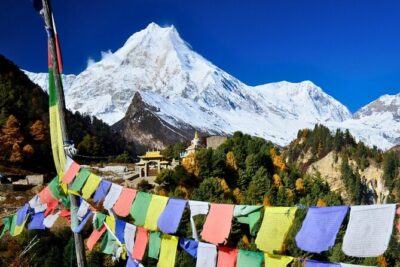
The Buddhism along the trail is also not just decoration. You’ll see prayer flags fluttering, mani walls carved with mantras, and gompas that shape the daily rhythm of the villages. In Lho, the influence becomes obvious, with local life echoing Tibetan-style traditions, and it gives the trek a cultural texture that’s hard to reproduce on a more tourist-heavy route.
The other reason this trek sticks in your head is the scenery scale. You get the glacier-and-valley contrast, waterfalls cutting through gorge walls, and the big pass day where multiple peaks appear at once.
More of the Manaslu Circuit:
- Manaslu Circuit Trek
★ 5.0 · 292 reviews - Manaslu Circuit Trek:
★ 5.0 · 106 reviews - Manaslu Circuit Trek (15 Days)
★ 5.0 · 50 reviews
Price and value: what $1,081 buys you here
At $1,081 per person for about 14 days, this package is paying for three things you’d otherwise have to figure out on your own.
First, you’re getting private transportation and scheduled transfers. The road to the trek start is long, dusty, and bumpy, so having the ground logistics handled matters.
Second, you’re getting meals for the trek days (breakfast, lunch, and dinner are listed for 14 days). On remote trails, this isn’t a small perk. It reduces decision fatigue and helps you keep your energy steady while altitude rises.
Third, the price includes all fees and taxes. For a restricted-area trek like this, paperwork and permit handling can be the difference between stress and a smooth start.
Now the catch: the package does not list hotel in Kathmandu and it also does not include a porter. If you hate lugging a heavy pack, you’ll want to plan for porter costs. Also, the trek is not a casual stroll, so you should be budgeting time and effort, not only money.
From Kathmandu to Soti Khola: the road is part of the story
Day 1 starts with travel from Kathmandu, with pickup offered. You can use a bus or a bus plus local jeep combo to reach the trek start, or you can opt for a private jeep if you want more control.
Here’s what you should expect: the road is long, dusty, and bumpy. Even if you take the public option, you’ll have lunch and toilet stops arranged on the highway. A private jeep gives more flexibility, which can be worth it if you’re sensitive to motion or if you want a calmer start before hiking.
By the end of Day 1, you’re not just traveling, you’re transitioning. The air feels warmer and heavier than the mountains ahead, and that helps you appreciate how much the trek changes day by day.
Days 2 to 4: river trails, Gurung villages, and permit country
More to compare around Kathmandu
- Everest Base Camp Trek – 14 Days
★ 5.0 · 1,499 reviews - Everest Base Camp Trek
★ 5.0 · 842 reviews - Private Kathmandu Sightseeing Tour | UNESCO World Heritage sites
★ 5.0 · 756 reviews - Kathmandu: 7 UNESCO Sites with Lunch
★ 4.8 · 744 reviews
Machhakhola to Jagat (Day 2)
Day 2 is one of the best “get into the wild” days. After yesterday’s rough ride, you get on a trail that hugs rocky edges and narrow river terrain. You pass sal forests, waterfalls, and high cliffs, and the valleys start to feel truly remote.
I like that the route doesn’t rush you. Lunch happens in villages, and you can often find simple local food, including fresh milk and yogurt. A small but memorable detail is the stop at Nyali Khola, where locals and others pray to river and mountain deities for safety. It’s a quick moment, but it adds meaning to what could otherwise be just scenery.
You’ll also see mule trains. Practical tip that matters here: stand on the hillside side of the trail, not the drop side, when animals pass. It’s a simple way to avoid an avoidable slip.
Overnight is in Maccha Khola.
Jagat and entering the Manaslu Restricted Area (Day 3)
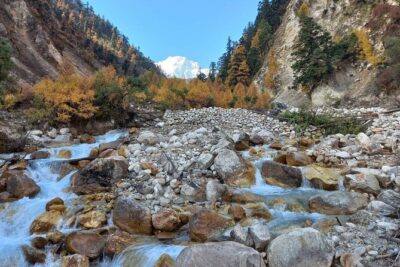
Day 3 follows the Bhuri Gandaki River as the trail twists along water and gorge walls. In the forests, there’s a chance for monkeys and langurs, which is a nice natural distraction from the steady climbing.
You’ll reach Gurung villages with lots of shepherd activity, then hit the hot spring area at Tatopani. You can soak in the warm water, and after a day on the trail, that kind of heat feels like a recovery tool, not a luxury.
Crossing bridges is also key on this day. You cross the Bhuri Gandaki by suspension bridge, then later another bridge continues you toward Jagat. Jagat is a stone-flagstoned Gurung village, and it’s significant because this is where you’re entering the Manaslu Restricted Area. That means permit checks become part of your hiking rhythm going forward.
Overnight is in Jagat.
Phillim checkpost, Buddhist sights, and teahouse dinner (Day 4)
Day 4 is where the trek formalities become real. You’ll see Buddhist influences on the way, including prayer flags as you descend toward Sirdibas from Salleri, plus gompas along the route.
Then you reach a checkpost at Phillim, where your permit is inspected before you continue along the western bank of the river. If you like knowing what’s happening, this is a reassuring checkpoint. It’s also a good reminder that this is a protected, managed route.
After that, the trail continues along the river through water-formed boulders and forest sections, including rhododendron and pine. Day 4 ends at Pewa with a teahouse stop, and you’ll likely enjoy dal bhat for dinner.
A small consideration: this day may feel like it alternates between scenic breaks and sustained walking. It’s a good day to keep your pack weight under control early.
Namrung and Lho: landslide care and a strong Tibetan-style atmosphere
Landslide zone near Namrung (Day 5)
Day 5 brings a practical safety note. Part of the route goes through a landslide zone, and extra care is needed. This is exactly the kind of day where your guide’s instructions should be followed without debate.
The good news is that wildlife can keep things entertaining. There are more monkeys on this segment, which can make the walk feel less monotonous. You reach Namrung village, and it includes a standout detail: one of the local businessmen returned from Hong Kong and built a hotel and restaurant with good coffee and wifi. It’s not why you’re here, but it can be a morale booster.
Overnight is in Namrung.
Mani walls, Tibetan dress, and views of Manaslu (Day 6)
Day 6 is shorter, and it’s a reward day. You pass mani walls, plus signs of Tibetan Buddhist practice throughout the villages. Because Tibet is so close, you’ll also see locals wearing Tibetan dress and living in a Tibetan-influenced way.
The trail moves through lush terraces, fir and oak, rhododendron forests, and rocky hillsides. You also pass gate arches with paintings, which adds a small art-and-religion layer to the walk.
Overnight is in Lho, where the views can be stunning, including Manaslu (8,163m) and Manaslu North (7,157m). Even if the weather isn’t perfect, the direction of sightlines here is impressive.
Samagaun and the active acclimatization plan around Manaslu Base Camp (Days 7 to 8)
Samagaun: Nubri culture and yak pastures (Day 7)
Day 7 keeps momentum but shortens the hiking time as altitude builds. You start with glorious views of Mt Manaslu, then the scenery changes into yak pastures. Along the way, you pass pine forests and a moss gully, and then you arrive at Samagaun.
Samagaun is the principal village of the Nubri people, with a large gompa. It also has shops, a health post, and even a heliport, plus telephone and wifi access. That last part matters practically, if you want to check in with home without burning your energy.
Overnight is in Samagaun.
Acclimatization day: choose your effort (Day 8)
Day 8 is designed to help altitude. It includes acclimatization options while still keeping you moving. This is one of the best “learn how to manage yourself” moments of the trek.
You can hike to Pungyen Gompa (east of the Nubri Valley), or you can go to Manaslu Base Camp, or you can choose Birendra Tal, a lake option that’s typically shorter. The hike times are around 2 hours for each option, with a packed lunch on the trail.
Manaslu Base Camp is at about 4,400m and takes more effort. The key here is how you do it, slow steps and good hydration. You don’t have to conquer the highest point to make acclimatization work. You just need to manage your breathing and keep your energy steady.
Samdo: high valley views, border drama, and wildlife odds (Days 9 to 10)
Day 9 moves you toward Samdo through broad valley terrain with yak pastures. You can explore nearby villages or hike up to Samdo Peak. One practical advantage of this day is that you can see the trail to Larkya La ahead and understand how the next stage connects toward Tibet.
Day 10 is another acclimatization day at high altitude. It also includes a border-focused viewpoint. You might get a chance to look toward the Tibetan border, but you cannot actually go there. Still, you could see yak caravans passing over the border. That’s a rare kind of cross-border life sight from a trekking route.
On the wildlife side, the plan calls out possible sightings of blue sheep, pica, and marmots if you’re lucky. Even if you don’t see them, the glacier visuals can still impress, since you look toward Samdo Glacier and a huge serac near the top.
This two-day block is why the Larkya La crossing feels more manageable. It’s not just rest. It’s controlled effort and gradual adaptation.
Dharamsala and the final approach to Larkya La
By Day 11, you’re continuing at altitude on slow walking days. You’ll be surrounded by a chain of Himalayan mountains and rugged terrain.
Tonight’s stop is Dharamsala, with wonderful views. The practical value of this stop is mental. You get a chance to sleep with the pass in your mind, not just in your body.
Day 12 is the day that sets the tone.
Larkya La pass day: the early start, the big views, and the descent to Bimthang (Day 12)
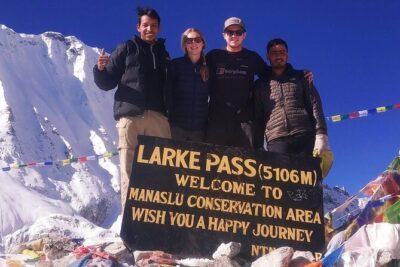
This is the star of the trek. You cross Larkya La at about 5,160m, and crampons may be needed depending on snow and conditions.
Your start time is early on purpose, because you have to pass before the afternoon. That matters for safety, since weather and visibility can change fast in the mountains.
From the top, the views are described as amazing, and you can expect to see major peaks such as Himlung (7,126m), Kang Guru (6,981m), and Annapurna II (7,937m). You also see a glacial cirque and the mountain geometry continues in every direction. This is the day where you stop thinking about the next meal and start thinking about what kind of photos you want, because the scene is relentless.
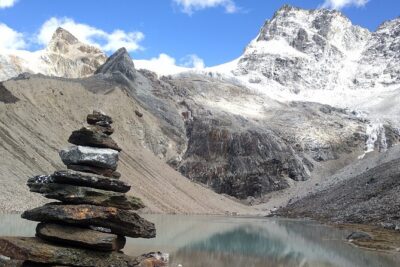
After the pass, the descent is around 3 hours, and it includes views of huge icefalls and mountains along the way. You can also see Pongkar Tal between the Pongkar and Salpudanda glaciers.
Overnight is in Bimthang.
Practical tip: pace matters even more than usual. Keep movements smooth, and don’t try to force a fast walk. If the wind picks up or the snow gets firm, you’ll want your footing steady.
Downhill to Kathmandu direction: Bimthang to Karche village and the glacier flood warning (Day 13)
Day 13 is about leaving the highest intensity zone. You trek downhill through lush forests and rhododendron bushes, and the air feels more livable, which helps your body relax.
The plan includes a lunch stop at Karche Village after crossing the Dudh Khola. Here’s a detail I think you should respect: there are signs of glacier floods in this area, and the track becomes quite rough. Rough does not mean dangerous if your footing is careful, but it does mean you should expect more time, slower steps, and less room for rushing.
After that, the valley becomes lusher. You’ll see agriculture as you pass fields and forests, which signals you’re returning to human terrain rather than pure high mountain.
Day 14 into Kathmandu: transport choices and the final reset
Day 14 is travel day. You return to Kathmandu using the same options mentioned earlier: local jeep and bus, or private jeep. The goal is to reach Kathmandu by evening.
This is when you should plan your physical recovery. If your muscles feel battered, don’t rush into sightseeing miles away from your lodging. Do simple errands, hydrate, and give your legs time.
Also, don’t ignore your gear. Check boots for wear, air out your layers, and take note of what was too warm or too light, because it will help you plan the next trek or hike.
The human factor: guides and pacing that make hard days feel safer
One of the most praised parts of this experience is the way the team supports you when the trek gets tough. Names that show up often include Dilman, KP, Pemba, Narayan, Sajan, Mitra, and Saugat. The pattern is consistent: clear communication, good English, and real flexibility.
A big example is itinerary adjustments when conditions change. Some groups describe adding side trips like a monastery stop, or getting to the pass earlier when weather windows improve. That matters because mountain timing is not just convenience, it’s safety.
Another praised aspect is altitude support. There are accounts of guides helping when altitude sickness hits, with the goal being calm, practical help, not panic. You also see repeated emphasis on pace, with guides managing speed so you can take pictures and still keep yourself from burning out.
And then there are porters. Past hikers describe porters as strong and fun, sometimes called little brothers, with constant smiles and playful energy. Even if you do not hire a porter, it’s worth noticing how much that crew presence can lift spirits on long days. If porter support is right for you, plan it early because porter is not listed as included.
Should you book this Manaslu Circuit trek?
Book this trek if you want a remote Himalayan circuit, you like cultural depth with Buddhist sites, and you’re physically ready for altitude and long days. The Larkya La crossing at about 5,160m is not a “just hike” moment, it’s a real high point with traction considerations and early timing.
Don’t book if you’re looking for an easy walking holiday, or if you want a fully cushioned experience. This route has landslide zone care, rough track segments near glacier flood signs, and high pass weather risk. It’s manageable with the right pace and support, but it’s still a serious trek.
My rule for this one is simple: if you can handle the idea of cold mornings, early starts, and a day where you treat every step like it matters, you’ll likely love the Manaslu Circuit. If that sounds stressful rather than exciting, pick a lower-altitude route first and come back later.
FAQ
How long is the Manaslu Circuit trek?
The duration is listed as about 14 days.
Where does the trek start and end?
It starts at Tribhuvan Airport in Kathmandu, Nepal, and ends back in Kathmandu (44600), Nepal.
What is included in the price?
The package includes private transportation, all fees and taxes, and meals (breakfast, lunch, and dinner) for the trek days.
What is not included?
The hotel in Kathmandu and the porter are not included.
Is pickup offered?
Yes, pickup is offered.
Is this a private tour or group tour?
This is a private tour/activity, with only your group participating.
Do I need a permit on the route?
You will encounter a checkpost at Phillim where your permit is inspected before continuing.
What is the highest point on the trek?
The highest point is Larkya La pass at about 5,160m.
What is the cancellation policy?
You can cancel for a full refund if you cancel at least 24 hours in advance of the experience start time, based on local time.
Latest Kathmandu write-ups
- Ghorepani Poonhill Trek★ 5.0 · 4 reviews
- Private Lobuche East Peak Climb and Mt Everest Base Camp Trekking★ 5.0 · 4 reviews
- Mardi Himal Yoga Trek★ 5.0 · 4 reviews
- Bhaktapur Day Tour with Changu Narayen★ 5.0 · 4 reviews
- Everest Base Camp Helicopter Tour★ 5.0 · 4 reviews
- Annapurna Ghorepani Poon Hill trek from Pokhara short and easy hike in Himalaya★ 5.0 · 4 reviews
- Everest Base Camp trek 13 days★ 5.0 · 4 reviews
- Everest Base Camp+Gokyo Ri★ 5.0 · 4 reviews
Manaslu Circuit Trek, compared.
Manaslu Circuit Trek 8th Highest in the World
Read our review →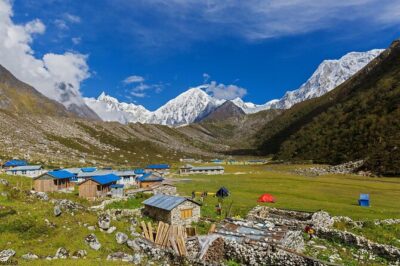
Private 12-Day Manaslu Circuit Trekking in Kathmandu
Read our review →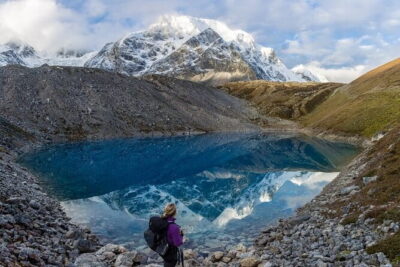
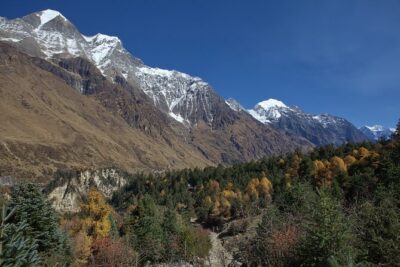
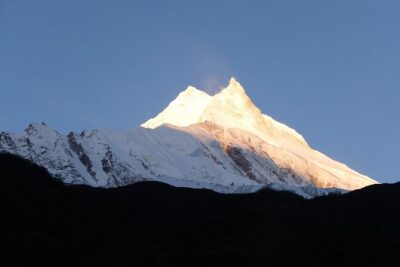
Manaslu Circuit Larkya Pass Trekking 13 days From Kathmandu
Read our review →Browse the lists this tour appears in