
Reviewed · MANASLU CIRCUIT TREK
Private 12-Day Manaslu Circuit Trekking in Kathmandu
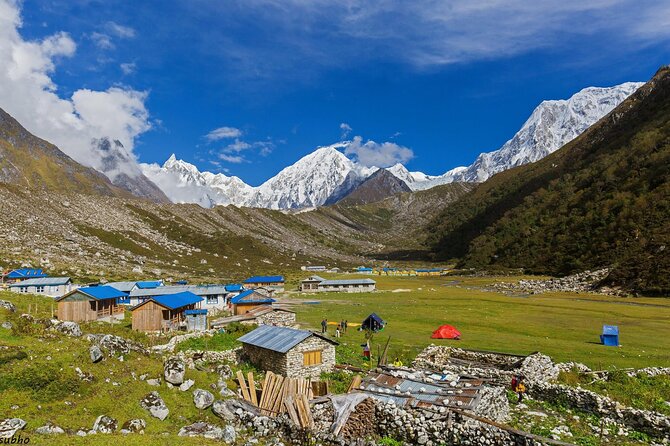
A Manaslu Circuit trek feels special because you move through several worlds in 12 days, from river valleys and sal forests up to high, cold pass country. You also get a strong cultural thread, including Gurung communities and Tibetan-style villages with mani walls and stone houses. It’s the kind of trip where the scenery is serious, but the people and places are the point.
I love how the walking slowly “sets the clock” for you. Day by day, you gain altitude while still getting real village life, hot springs, and monastery time. Another thing I like a lot is the payoff, crossing Larkya La Pass, with wide views of peaks like Manaslu and Himlung Himal. The main drawback to plan for is the pass day, which can bring extreme cold and snow depending on conditions, and this trek requires good weather.
You’ll also appreciate that this is a private experience with your own guide and porters, plus support tools like an oxygen meter and water purification. Just double-check the Kathmandu hotel situation, because the package text says hotel/lodge accommodation is included, but the not-included list also says hotel accommodation in Kathmandu is not included.
Key highlights you’ll feel on the ground
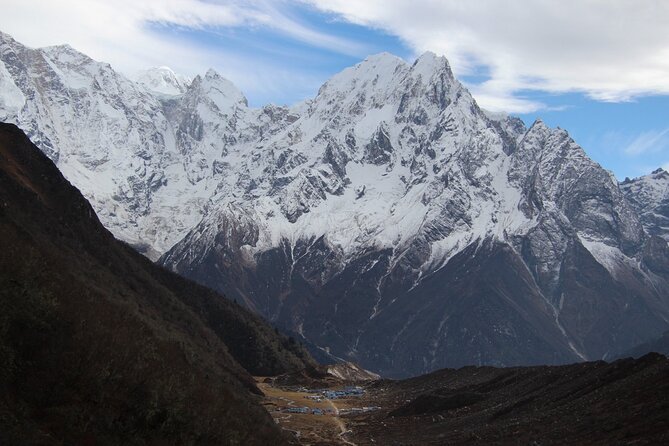
- Larkya La Pass crossing with big views of Larkya, Mansiri, Cheo, and the Himlung Himal range
- Tropical-to-Tibetan cultural shift, from sal and bamboo forests to mani walls and stone prayer structures
- A real rest day in Sama Gaon, with time to explore and hike to Pung Gyan Gompa
- Hot springs stop at Tatopani, with the option to dip if you want
- Practical safety and comfort support, including an oxygen meter, first aid, and water purification
- A team approach backed by past experiences with guides such as Nauser, Laxman, Kumar, Sanjay, and porters like Yugal
Value and logistics: what your $960 really covers
At $960 per person for a 12-day private circuit, the value comes from what’s bundled, not just the route. You’re paying for permits and access, in-country overland transport, and a guided trekking setup with porters, not just “a seat on a bus and good luck.”
This package lists several key inclusions:
- Permits and local fees: MCAP, ACAP, local entry fee, and Manaslu Special permit
- Your trekking crew: one professional guide, required porters, and their expenses
- Trek support gear: trek map, oxygen meter, duffle bags, first aid, and water purification
- Food: breakfast (12), lunch (12), dinner (11)
- Movement and safety: overland transportation, public liability insurance, plus assistance for emergency rescue evacuation
That “support stack” matters on a trek like Manaslu, where weather changes fast and clean water is not something you should gamble on. The oxygen meter and first aid are small items until you need them.
One thing to watch closely is Kathmandu lodging. The included section says Kathmandu hotel/lodge accommodation is included, while the not-included section separately lists hotel accommodation in Kathmandu. I’d treat that as a clarification question before you book, so you’re not surprised later.
More of the Manaslu Circuit:
- Manaslu Circuit Trek
★ 5.0 · 292 reviews - Manaslu Circuit Trek
★ 5.0 · 184 reviews - Manaslu Circuit Trek:
★ 5.0 · 106 reviews
Day 1: Kathmandu to Machhakhola by bus, and why that long drive works
Day 1 is a long overland day, roughly 10 hours, starting around 7:15 am. You’ll drive along the Prithvi Highway, switching from smooth black-topped roads to winding climbs, passing through Dhading Bensi, then toward Gola Bhanjyang and the Ankhu Khola area. You’ll cross the Budhi Gandaki River at Arughat, continuing onward to Sotikhola before reaching Machhakhola.
I like this start because it gets the heavy travel out of the way before your legs are doing the work. It also gives you early views of Manaslu and Ganesh Himal, which is motivation when you later feel the altitude.
The tradeoff is simple: you’ll be sitting for a while. If your travel tolerance is limited, plan a slower morning in Kathmandu, drink water, and keep your layers handy for air that can feel cooler at higher points.
Day 2 to Jagat: Budhi Gandaki river walking plus Tatopani hot springs
On Day 2, you trek about 7 hours toward Jagat. The route follows the Budhi Gandaki River banks, then you ascend through dense sal forest. You pass through Tatopani, known for natural hot water springs.
Here’s the practical choice: if you want to soak, don’t overdo it. A short dip can feel amazing after a few hours of walking, but if you go too long, you can feel chilled afterward. After Tatopani, the trail keeps hugging the river to reach Jagat.
This day is a good “warm-up” because it’s not all altitude grind. It’s more about getting your rhythm on a steady path through forest and along water.
Day 3 to Deng: tropical forests, bamboo crossings, and villages you’ll actually remember
Day 3 runs about 8 hours and starts after your permits are approved. You continue alongside the Budhi Gandaki, moving through dense tropical forest. The trek description also points out rare wildlife habitat, which is a nice reminder that this is more than just a scenic hike.
You’ll pass through villages like Bhatti Khola and Philim, then cross a bamboo forest area over the Budhi Gandaki to reach Deng. I like this mix because you’re not only climbing. You’re also seeing how people live with the river, and how the settlement pattern changes as you go deeper into Manaslu country.
More to compare around Kathmandu
- Everest Base Camp Trek – 14 Days
★ 5.0 · 1,499 reviews - Everest Base Camp Trek
★ 5.0 · 842 reviews - Private Kathmandu Sightseeing Tour | UNESCO World Heritage sites
★ 5.0 · 756 reviews - Kathmandu: 7 UNESCO Sites with Lunch
★ 4.8 · 744 reviews
Day 4 to Namrung: suspension bridge, uneven trail, and a landslide zone to respect
Day 4 is shorter at about 5 hours, but it has more “terrain drama.” You cross a suspension bridge, then work through uneven trails to Bihi Phedi. From there you go toward Ghap, and this is where the trek notes call out a dangerous section prone to dry landslides.
After passing that landslide zone, the day continues past Magar villages to Namrung. This is exactly the kind of day where a skilled guide matters, both for pacing and for route choices around unstable ground. Also, pack mental energy for a slower step here. A safe, careful pace beats “I can rush it” every time.
Day 5 to Lho: entering Tibetan culture, plus a classic Manaslu view moment
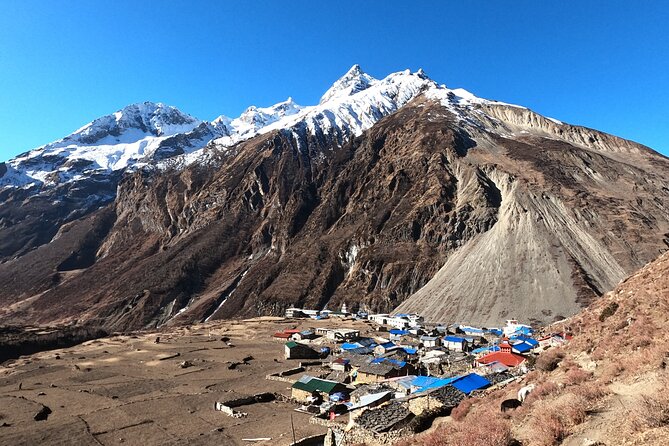
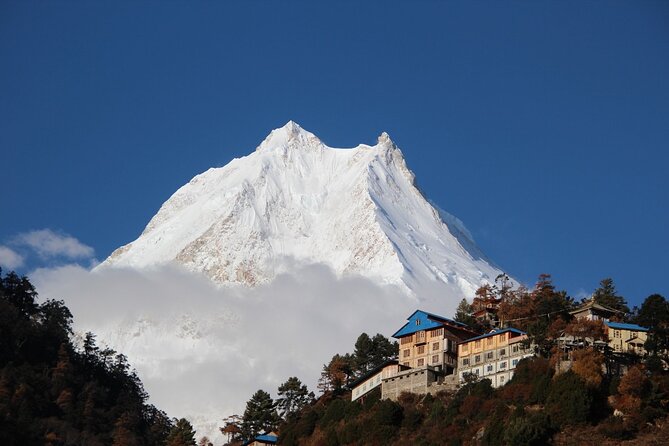
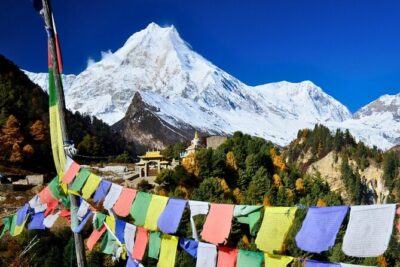
Day 5 is about 4 hours to Lho, and this is where the cultural tone changes. The trek moves from lower regions into Tibetan-cultured areas, and you’ll see mani walls and stone houses. The route also offers mountain viewing, including Mt Manaslu at 8163m.
This is one of those days where you’ll feel the shift in architecture and spiritual symbols. If you enjoy cultural details, take time here. It’s not just scenery. It’s a different way of living and building at altitude.
Day 6 to Sama Gaon: pine and rhododendron forests with constant altitude work
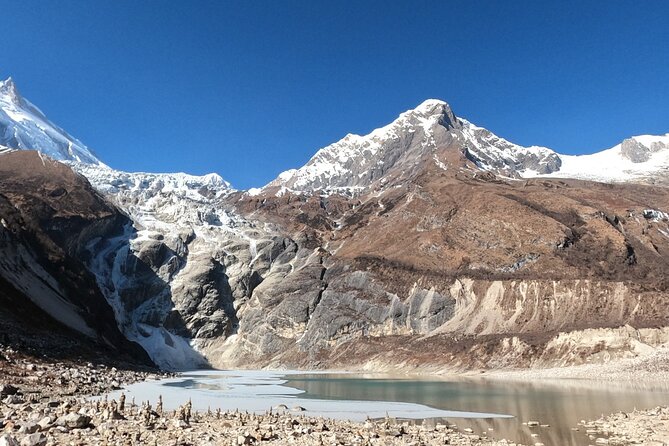
Day 6 takes about 5 hours to reach Sama Gaon. Expect pine and rhododendron forests, plus steady altitude gain. The Manaslu views are described as following you along the trail.
I like this stage because it’s challenging without feeling chaotic. You’re building fitness for the long days ahead, and your body is still adjusting to the air.
Day 7 rest day in Sama Gaon: village time and the hike to Pung Gyan Gompa
Day 7 is a rest day, and it’s a smart one. After breakfast, you explore Sama Gaon and interact with villagers. Then you hike to Pung Gyan Gompa, which is your cultural and viewing highlight for the day. Evening time includes more local interaction and trying local foods.
Rest days can feel like filler if you’re the type who wants to hike every hour. But on a high pass trek, rest days are part of the plan for a safer summit effort later. They also make the trek feel human, not just athletic.
If you’re curious about religion, community rituals, or how daily life changes with altitude, this is the day to ask questions. Your guide can help you sort what’s meaningful from what’s just a tourist-facing explanation.
Day 8 to Samdo: the barren stretch, reduced river, and more exposure to cold
Day 8 is about 4 hours toward Samdo. The trek description says the pine forest gets sparser and vegetation disappears into barren land. The Budhi Gandaki River is described as reduced, but you still walk near it for part of the day.
This is where you should tighten your clothing system. Less vegetation often means more wind exposure. Keep gloves and a warm layer accessible, not buried at the bottom of your bag.
I also like how this day keeps the mountain views close. Even when the land feels harsher, Manaslu is still part of your mental landscape, which helps on the days when the walking is repetitive and the air feels thin.
Day 9 to Dharmashala: suspension bridge, rocky trail, and peak-to-peak framing
Day 9 is about 5 hours. You go west along views of Naike and Pangbuche peaks. The route continues with a suspension bridge, then uneven rocky trail toward Dharmashala. On the way, you get views of the Himal Chuli range.
This day feels like a transition to pass-country. You’re not yet in the worst cold, but you are definitely in the zone where each layer, each break, and each step has a purpose.
Day 10 Larkya La Pass: the big test day with snow potential
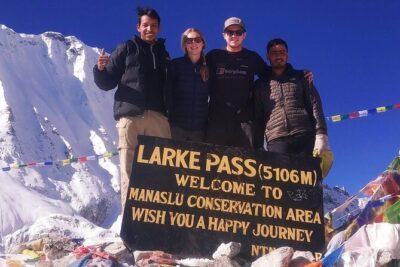
Day 10 is the main challenge, about 8 hours, and it’s described as one of the most exciting and difficult days of the trek. You walk through barren, remote parts of the Manaslu region, with Manaslu views continuing.
Then you climb to Larkya La Pass. The trek text lists the pass height as either 5106m or 5160m, depending on the reference point, so treat it as a high altitude pass where oxygen will feel scarce and conditions can shift fast. From the top, the views include Larkya, Mansiri, Cheo, and the Himlung Himal range. Afterward, you descend to Bimthang.
Cold and snow risk is not theoretical. In past experience with this trekking program, people have described severe winter conditions, extreme cold, and high snow around the pass. That’s why this day should be taken seriously: go slow, follow your guide’s pacing, and don’t treat “I feel okay” as proof you’ll be okay an hour later.
Day 11 to Dharapani: easier walking, but still don’t stop respecting altitude
Day 11 takes about 7 hours from Bimthang to Dharapani. The trek is described as more comfortable compared to the last few days, descending through pine and rhododendron forests. Mountain views continue along the way.
I treat Day 11 as a “recovery day with discipline.” Even after the pass, your body is still adapting, and fatigue can make you clumsy. Keep your steps sure on descent, especially if rocks are slick or footing is dusty.
Day 12: return ride to Besisahar, then bus back to Kathmandu
Day 12 is transport heavy again. After breakfast in Dharapani, you take a jeep about 4 hours to Besisahar. Then you board the bus to Kathmandu, joining the Prithvi Highway and driving alongside the Trishuli River for around 4 more hours. The overall day is about 9 hours, ending with transfer back to your hotel in Kathmandu.
This finale is more than a commute. It’s your chance to mentally close the loop on the trek. You’ll pass terraced fields, typical Nepali houses, and paddy fields and settlements, which feels like a full reset after the higher, drier days.
Guides, porters, and the “how it feels” factor
A trekking company is only as good as its field team. The strong notes tied to this operator include professional communication before the trek, quick help with preparations, and a team that stays calm when things get tough.
Past experiences highlight guide names like Tej (the company’s MD), and field guides including Nauser and Laxman, plus assistants like Brian and supporting staff like Kumar and Sanjay. Porters mentioned include people like Yugal. More importantly, those same experiences talk about problem-solving when conditions turned difficult, including an incident where help was needed due to landslide conditions, and another case where helicopter rescue was required. In both situations, the service quality and assistance came through.
I can’t promise that every trek will have emergencies. But I can say this: having an experienced guide and porter team, plus formal emergency evacuation assistance listed in the package, makes the high altitude pass day feel less like a gamble.
Who should book this Manaslu Circuit trek?
This fits best if you:
- want a private trek with a dedicated guide and porters
- enjoy cultural travel as much as mountain travel, with Tibetan-influenced villages and a monastery visit at Pung Gyan Gompa
- are comfortable with a high pass challenge, with real cold and snow possible
- have a moderate physical fitness level and can handle days of 4 to 8 hours on trail
It’s not the best choice if you:
- want an easy itinerary with no high altitude stress
- don’t want to plan carefully for cold, wind, and exposure around the pass
- are relying on the trip to cover travel insurance, tips, or hot shower costs, since those are listed as not included
Should you book this trek or choose another option?
If your main goal is a classic Manaslu Circuit with cultural depth and the Larkya La Pass payoff, this one looks like a solid fit. The value is strong because permits, permits-related fees, guide and porter support, oxygen meter, water purification, and emergency evacuation assistance are part of the package. The itinerary also balances work and recovery, especially with the rest day in Sama Gaon.
My advice is simple: confirm two things before you pay. First, double-check what’s included for Kathmandu accommodation, because the text conflicts. Second, plan your gear and pace for a serious pass day, not a casual summit.
If you can handle that, booking is an easy yes.
FAQ
What is the total duration of this Manaslu Circuit trek?
The trek is listed as 12 days approximately, starting with an early morning pickup meeting point in Kathmandu and ending back at the meeting point.
Where does the trip start, and what time do we meet?
The meeting point is Nepal Alternative Treks & Expeditions at Post Box No: 8169, House, Raniban Marg 136/205, Nagarjun, 01, Kathmandu, Nepal, with a start time of 7:15 am.
Is pickup in Kathmandu included?
Pickup is offered.
Is this a private tour?
Yes. It is a private tour/activity, and only your group will participate.
What permits and access fees are included?
The package lists MCAP, ACAP, local entry fee, and the Manaslu Special permit as included.
What trekking and safety items are included?
You receive a trek map, an oxygen meter, duffle bags, first aid, and water purification.
How many meals are included each day?
The package lists breakfast (12), lunch (12), and dinner (11).
What’s not included in the cost?
Travel insurance is not included. Tips for guide and porters are not included. It also lists hard and soft drinks like tea or coffee, alcoholic drinks, bar bills, and hot water or hot showers as not included.
Is there air travel or flight involved?
No. The itinerary uses overland transportation, with a jeep and bus back to Kathmandu.
What happens if weather is bad?
The experience requires good weather. If it is canceled due to poor weather, you’ll be offered a different date or a full refund.
Latest Kathmandu write-ups
- Ghorepani Poonhill Trek★ 5.0 · 4 reviews
- Private Lobuche East Peak Climb and Mt Everest Base Camp Trekking★ 5.0 · 4 reviews
- Mardi Himal Yoga Trek★ 5.0 · 4 reviews
- Bhaktapur Day Tour with Changu Narayen★ 5.0 · 4 reviews
- Everest Base Camp Helicopter Tour★ 5.0 · 4 reviews
- Annapurna Ghorepani Poon Hill trek from Pokhara short and easy hike in Himalaya★ 5.0 · 4 reviews
- Everest Base Camp trek 13 days★ 5.0 · 4 reviews
- Everest Base Camp+Gokyo Ri★ 5.0 · 4 reviews
Manaslu Circuit Trek, compared.
Manaslu Circuit Trek 8th Highest in the World
Read our review →
Manaslu Circuit Larkya Pass Trekking 13 days From Kathmandu
Read our review →
Manaslu Circuit Trek to the Beauty of 8th Highest Mountain
Read our review →Browse the lists this tour appears in