
Reviewed · HIKING & TREKKING
Pikey Peak Trekking
Pikey Peak Trekking is interesting because it gives you big Himalayan names and sunrise magic without needing an Everest-sized time commitment. I also like the human touch you get from the guide teams, including Nee-ma Sherpa and C-erpa Pasang, who help turn the walk into something you understand, not just something you survive. The tour is private, so your group stays together instead of getting mixed into a crowd.
What you will love most is the summit payoff at 4,067m, especially the chance for sunrise and sunset views over peaks like Everest, Makalu, Kanchenjunga, Lhotse, Nuptse, and more. The main drawback to plan for is effort: you should have moderate physical fitness, and those early starts and steep moments will feel real.
Key highlights worth your attention
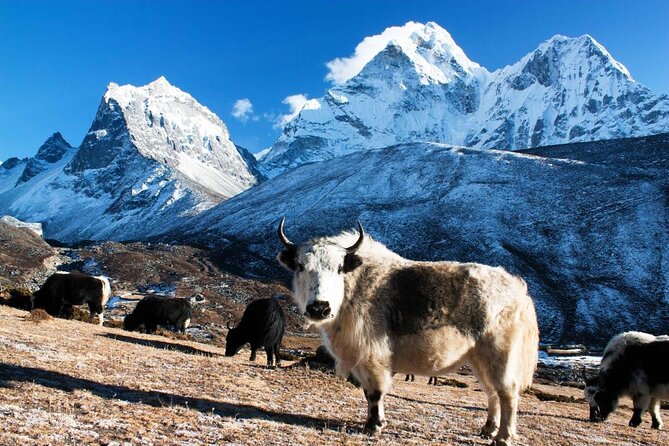
- Everest-range views from Pikey Peak at 4,067m, with famous peaks visible when the weather plays nice
- Sunrise and sunset timing as a core attraction, meaning you will likely start early on the summit day
- Village-to-village trekking through Phaplu, Kerung, Pattale, Jhapre, Lamajura, and Junbesi
- Strong Sherpa-led guiding examples, including Dawa Sherpa, Jay Bir, Nee-ma Sherpa, and C-erpa Pasang
- Full board meals included (breakfast plus meals during the trek), with drinks not included
Pikey Peak: the Everest-view trek that fits 8 days
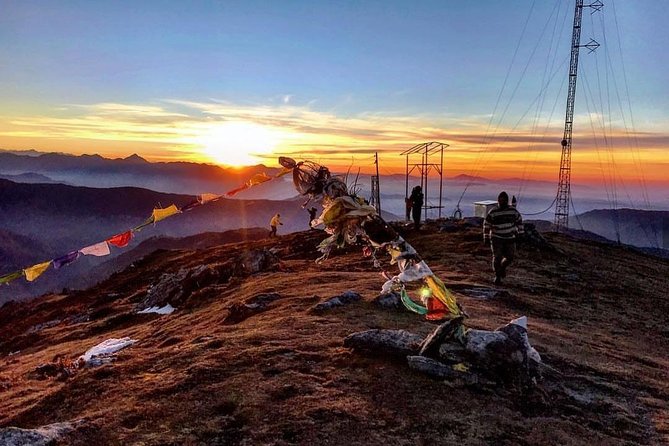
Pikey Peak sits in the Solu Khumbu region and tops out at 4,067m, making it a smart pick if you want high-mountain views but you cannot stretch your trip for weeks. The views are a major reason people consider this trek at all, because from the top you can look out across multiple Himalayan ranges in both the eastern and central areas.
The best part is that Pikey is not just about one dramatic moment. The trek passes through a chain of settlements, so the journey stays connected to daily life in the region, not only to the summit photo. It is a lower-alpine and cultural experience, with altitude built in slowly enough for trekkers who train and pace smartly.
More of Pikey Peak:
- Pikey Peak Trek
★ 5.0 · 8 reviews - Pikey Peak- 9 Days
★ 5.0 · 4 reviews - 4 Days Pikey Peak Trek : The Best View of Mt Everest
★ 4.2 · 4 reviews
Summit day at 4,067m: what you are really chasing
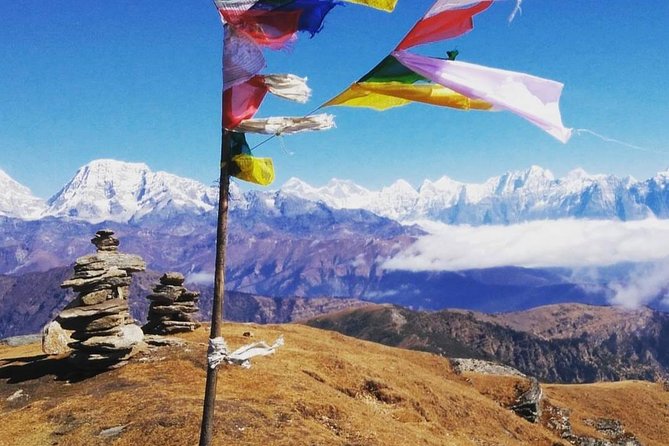
At Pikey Peak, the big reason to go is the wide-open horizon view. From the summit area, you can see ranges and peaks such as Mt. Everest, Makalu, Kanchenjunga, Annapurna, and also Lhotse and Nuptse, plus others like Gaurishankar, Numbur, Sishapangma, Thamserku, and Mera Peak. That list is the dream ticket if you love mountain names, but the real value is the perspective you get when you connect them to the terrain.
Sunrise and sunset matter here because they change everything: the ridgelines sharpen, cloud layers can hide or reveal distant peaks, and the light makes the whole scene feel more dimensional. The practical takeaway is simple. Expect early timing, expect cold hands, and expect that a good summit view often depends on weather, not just effort.
From Kathmandu to Phaplu: timing, meeting point, and pacing
Your experience is based out of Kathmandu, Nepal, and you meet at Tribhuvan International Airport on Ring Rd, Kathmandu 44600. The start time listed is 6:15am, which tells you this trek is built for an early day rhythm from the start.
This matters because your legs will take the first hit before you even reach the trail. I like that the trek is private, since it usually means fewer surprises and tighter coordination for timing, especially on early days. You should also plan for the fact that the trek begins and ends at Phaplu, so the overall activity includes time before and after the walking portion, returning you back to the same meeting point.
Fitness is listed as moderate, but moderate does not mean easy. You are going high, you are trekking daily, and you need to be comfortable walking for hours with changing altitude, even if you are not technical-climbing.
The trek through Phaplu, Kerung, Pattale, and Jhapre
The route structure is straightforward: you start in Phaplu, then you pass through Kerung, Pattale, and Jhapre, before heading toward the Pikey Peak area. What makes these sections valuable is that they keep the trek human-scaled. You are not only hiking through wilderness views, you are moving through real settlements in the Solu Khumbu region.
These village days tend to reward smart pacing. If you treat each stretch like a long day of steady effort, you will feel less rushed on the approach segments. It also helps you notice details on the ground level, like how the towns are arranged around the trail and how daily life continues even with trekkers passing through.
One practical note from past trekking experiences connected to this route: some scenic stretches can feel especially quiet, with stretches where the trail is not crowded. If you like solitude and want time to actually look up at the mountains without constant foot traffic beside you, that is a good sign.
More to compare around Kathmandu
- Kathmandu: 7 UNESCO Sites with Lunch
★ 4.8 · 744 reviews - Everest Base Camp Helicopter Tour landing at Everest View Hotel
★ 5.0 · 668 reviews - Kathmandu: Local Women-Led Nepali Cooking & Momo Class
★ 4.9 · 360 reviews - Manaslu Circuit Trek
★ 5.0 · 292 reviews
The Pikey Peak climb: energy management for the big views
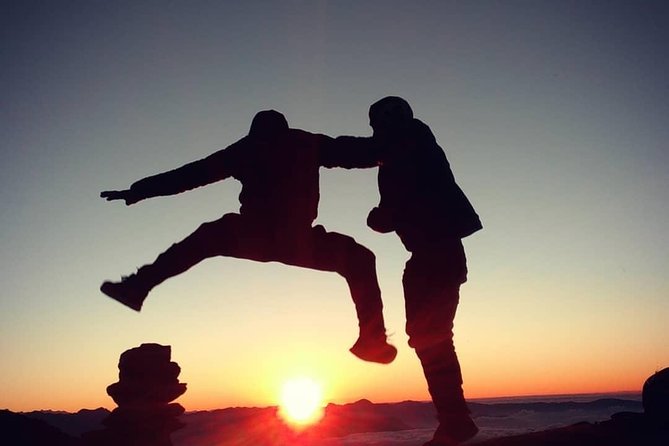
The heart of the trek is the move toward Pikey Peak and the summit viewing opportunity. Since the peak is at 4,067m, you should expect cold air, wind risk, and a slower breathing pace than you get at sea level. Even if you are fit, going up at altitude always costs energy, so bring a steady plan rather than a sprint plan.
This is where having a good guide really shows. People tied to this trek have mentioned guides by name, including Dawa Sherpa, who helped make the experience feel smooth and focused, not chaotic. In places like this, a strong guide helps you maintain the right tempo, choose what to wear on changing weather, and keep the day moving toward the views you came for.
If you have limited time and want to see as many major peaks as possible from one vantage point, Pikey is one of those rare treks where your effort translates directly into a wide mountain board of viewpoints. You do not need a long itinerary to feel the payoff.
Lamajura and Junbesi: where the culture shows up
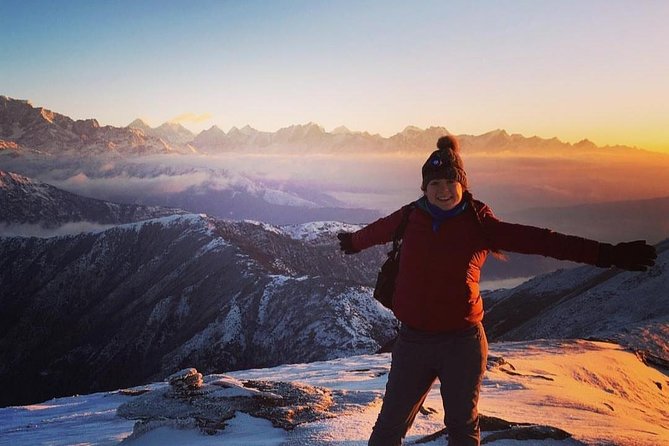
After the Pikey Peak highlight, the route continues through Lamajura and Junbesi as you work your way back down through the region and toward the trek’s return to Phaplu. These sections matter because the trek is not only a summit exercise. The villages are where you get the cultural rhythm of the lower Himalayas, including how people live, work, and greet visitors along the trail.
This is also where many people feel the trek becomes more meaningful. When you move through settlements over multiple days, you start recognizing patterns, not just buildings. You begin to understand how the trail fits into daily schedules, which turns the journey into a story you can recall, not only scenery you briefly processed.
If you are unsure about how you will handle altitude, Pikey has an advantage: much of the trek experience still happens at lower elevations and in everyday village life, before the summit moment. That can make the whole trip feel more approachable, even if the climb day is still the big test.
Food on the trail: what is included and what to plan for
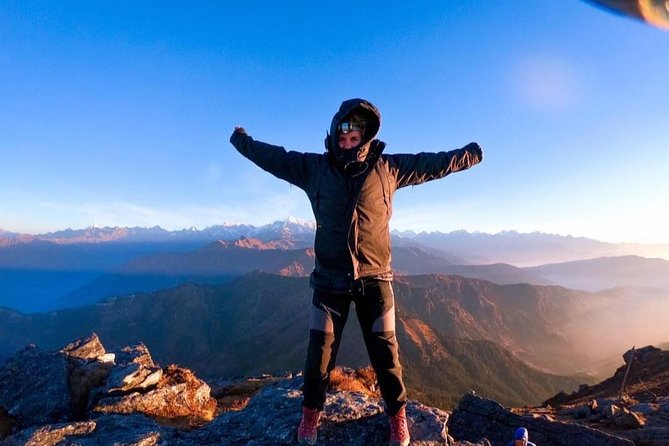
The tour includes breakfast and full board meals during the trek. That is a big value point because trekking logistics are easier when meals are handled for you, especially in smaller mountain settlements.
What is not included is hard and soft drinks. That means you should expect to pay for drinks separately. I recommend budgeting for that early, since the trek day can feel long and hydration needs do not stop just because you are walking in thin air.
In practice, full board usually also reduces decision fatigue. Instead of thinking about where to eat and what to order each day, you can focus on pacing, rest, and getting to the next village stop. One past trek experience tied to this route specifically praised the quality of the food, which aligns with why meal-included treks feel less stressful.
Guide quality: why names like Dawa Sherpa and Jay Bir matter
Guides are not just logistics and route notes here. They shape how you experience the mountains and the villages, especially on summit-day timing and on days with fatigue.
In feedback connected to this trek, people highlighted guides including Nee-ma Sherpa and C-erpa Pasang, along with Jay Bir and Hiese Lama in another trek pairing. Another experience singled out Dawa Sherpa as the best guide and tied that to an overall feeling that the day ran well and the views landed where they should.
Even if you do not know these names before booking, this kind of track record is a real signal. You want a guide who keeps the group moving at the right pace, reads conditions, and helps you connect what you see to where you are in the region.
Price and value: is $1,435.90 a fair deal?
At $1,435.90 per person for an 8-day trek, this is not a low-cost add-on, but it can still be good value if you look at what is included. You are getting breakfast and full board meals during the trek, plus a private experience where only your group participates. In mountain treks, paying for the people who coordinate the days, meals, and route flow is often where the budget actually goes.
The separate cost category is drinks, since hard and soft drinks are not included. So you will want to plan for that extra spend, especially on hot or cold days when you want more than plain water.
Mobile ticketing is listed, which usually means less paperwork and fewer last-minute headaches. And since the trek is private, you can often expect more direct communication with your guide team, which helps when you have questions about timing, altitude comfort, or what to pack.
Who should book this, and who should think twice
This trek is a strong match if you want a classic Himalayan view experience in a shorter time window. I think it is especially suitable if you love the idea of seeing major peaks like Everest, Makalu, and Kanchenjunga from one viewpoint, and you also want the walk to include village life rather than only wilderness.
It is also a fit if you are comfortable with moderate fitness expectations and you can handle early starts, cold summit hours, and long days of walking. If you are new to trekking, the key is training, not bravery. Build leg stamina beforehand and expect that altitude adds difficulty even when the trail is not technical.
If you are hoping for a completely gentle walk with no altitude stress, this probably will not feel right. Even with the lower-Himalaya emphasis and cultural stops, you are still going up to 4,067m for the summit views, and the summit day is the moment that decides the whole trip.
Should you book Pikey Peak Trekking?
Book it if your top priority is panoramic Himalayan viewing, especially sunrise and sunset, with a trek route that includes real settlements like Phaplu, Kerung, Pattale, Jhapre, Lamajura, and Junbesi. I would also book it if meal logistics matter to you, since breakfast and full board meals are included, and that keeps your days calmer.
Think twice if you have very limited walking stamina or you dislike early mornings, since the start time is 6:15am and the summit viewing concept usually requires that kind of rhythm. Also remember drinks are not included, so budget for that extra cost so it does not surprise you mid-trek.
If you get the basics right, this can be one of those trips where you trade time for altitude clarity, and you come home with views that feel like more than a postcard.
FAQ
How long is the Pikey Peak Trek?
The duration is listed as 8 days (approx.).
Where does the trek take place?
The location is Kathmandu, Nepal, and the trek itself begins and ends at Phaplu.
What is the starting time and meeting point?
The start time is 6:15am, and the meeting point is Tribhuvan International Airport, Ring Rd, Kathmandu 44600, Nepal.
Where does the experience end?
This activity ends back at the meeting point.
Is this a private tour?
Yes, it is a private tour or activity. Only your group will participate.
What is included in the price?
Breakfast is included, along with full board meals during the trek.
Are drinks included?
No. Hard and soft drinks are not included.
What fitness level do I need?
Travelers should have a moderate physical fitness level.
What is the cancellation policy?
You can cancel for free up to 24 hours in advance of the experience’s start time for a full refund.
Do I get confirmation after booking?
Yes. Confirmation will be received at the time of booking.
Latest Kathmandu write-ups
- 16 Days Island Peak Climbing With Everest Base Camp Private Trip★ 5.0 · 3 reviews
- 15 Days Round Annapurna Trek with Poon Hill from Pokhara★ 5.0 · 5 reviews
- Private Nepal round trip including Ghorepani Poonhill trek★ 5.0 · 3 reviews
- Everest Base Camp Trekking 16 Days★ 4.0 · 7 reviews
- 14 Days Luxury Annapurna Base Camp Trek★ 5.0 · 6 reviews
- Everest Base Camp Trek★ 5.0 · 32 reviews
- Everest Base Camp Trek★ 5.0 · 87 reviews
- Everest Base Camp Trek★ 5.0 · 97 reviews
Hiking & Trekking, compared.
Nagarkot Sunrise and Hike Tour to Changu Narayan
Read our review →
4-Day Ghorepani, Poonhill & Ghandruk Mountain Trek
Read our review →
Browse the lists this tour appears in