
Reviewed · MOMO MAKING CLASSES
Kathmandu: Traditional Momo Making Class & Pickup
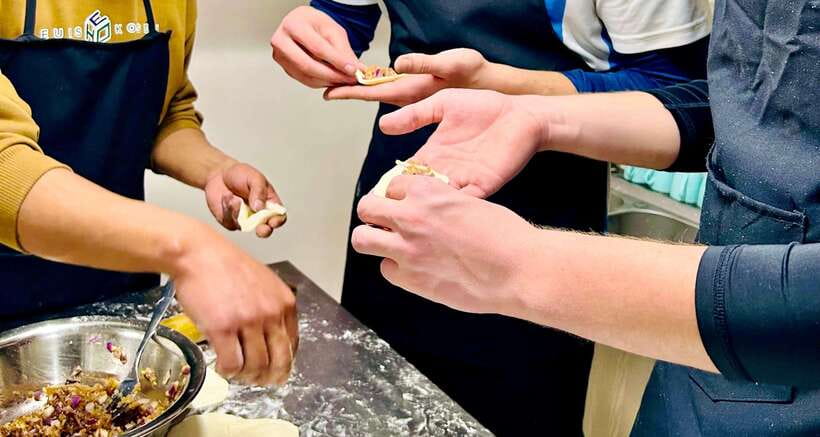
Kathmandu’s momo culture is one of the best food stories in Nepal, because dumplings are simple enough to learn fast and beloved enough to feel special. In this class at Kathmandu Cooking Academy, you’ll start with a market tour and then work with hands-on instruction from local chefs like Birfan and Bikram.
What I really like is that you leave with practical technique, not just a recipe. You’ll also get a friendly, small-group setup (up to 10 people) where you can actually get your dumpling shape coached. One consideration: if you’re expecting a super long session, the class is short, so bring a notepad and plan to copy the steps while they show you the process.
Market tour before cooking so you choose fresh ingredients for the filling you want
Hands-on dough and shaping taught step by step, with guidance that helps beginners
Regular momo or soup momo options so you can compare the styles side by side
Tea and tasting at the end with Nepali masala tea alongside what you made
English instruction in a small group limited to 10 participants
Momo making in Kathmandu, with market ingredients and real dumpling technique
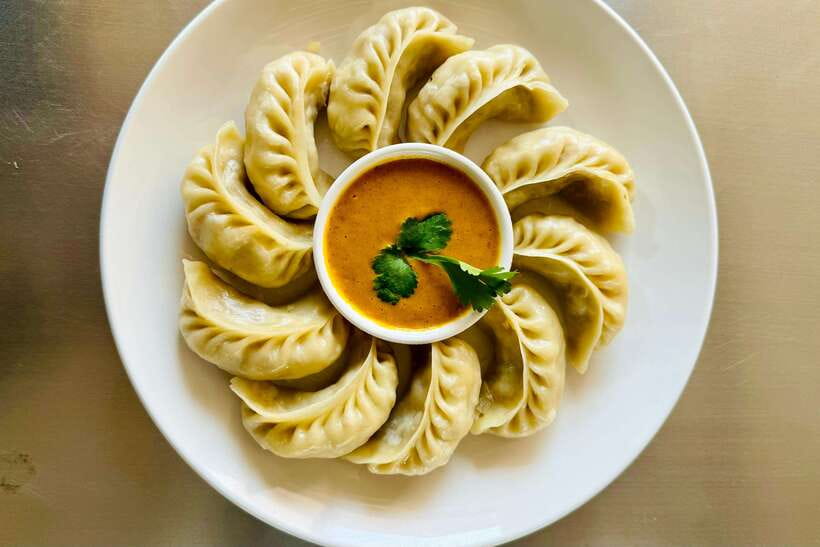
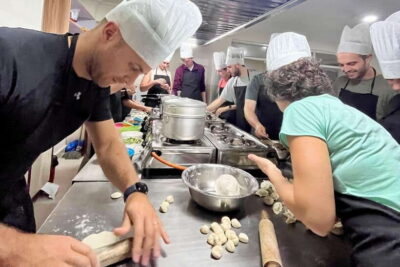
If you like eating street food, you’ll get why momo matters in Kathmandu. It’s comfort food that shows up everywhere, but making it yourself is where it clicks. This is a hands-on cooking class, so you aren’t just watching a demonstration. You’re learning how to prepare the dough, fill the dumplings, shape them properly, and steam them so they turn out right.
What makes this class practical is the order of operations. You pick ingredients first, then you cook with them right away. That matters because momo filling quality depends on the basics, like how you chop and season, and how fresh your vegetables or chicken are. And once you start shaping, the teaching is built around what you can do with your hands, not complicated theory.
There’s also choice. You can make veggie, vegan, or chicken momo and you can go for normal or soup momo. That means you can tailor it to your diet and your curiosity. If you’re curious about Kathmandu snacks, soup momo gives you a different texture and serving style, but you still learn the same core dumpling skills.
Price and timing that make sense for a food-focused afternoon
At $4 per person for about 2 hours, this class is priced in the “smart add-on” category. It’s not a full-day cooking adventure, and that’s part of the value. If you have limited time in Kathmandu, you can still learn a skill you’ll actually use again.
The class starts at 1 PM. You should plan for roughly 1.5 to 2 hours on-site depending on the flow. The small-group size helps here. With a limit of 10 participants, the instructors can circulate and correct shaping and handling without the class turning into a slow waiting game.
One practical note: the meeting point is a short walk from Thamel. If you want to keep the afternoon simple, you can also select the optional hotel pickup within Kathmandu Valley. That option can be worth it if you’re balancing jet lag, heat, or just don’t want to navigate streets midday.
More Momo Making Classes in Kathmandu:
- Kathmandu: Local Women-Led Nepali Cooking & Momo Class
★ 4.9 · 360 reviews - Kathmandu: Local Women-Lead Nepali Cooking & Momo Class
★ 4.9 · 45 reviews - Kathmandu: Local Lead Nepali Cooking & Momo Making Class
★ 4.9 · 40 reviews
Getting to Kathmandu Cooking Academy, and why location matters
The meeting point is Kathmandu Cooking Academy, and it’s in central Kathmandu. It’s described as being about a 10 to 15 minute walk from Thamel, so you can usually combine it with a normal lunch plan nearby.
The simplest approach is to build your schedule around that walk. If you’re staying in Thamel, you can head over directly before 1 PM and take your time. If you’re not, choose pickup. The class provider offers pickup from any location within Kathmandu Valley, which removes the hardest part of this kind of activity, especially when you’re learning new street routes.
When you arrive, look for the signboard outside the building and check in at the entrance. Staff guide you to registration. This is the kind of detail that sounds boring until you’re standing outside in Nepal’s afternoon traffic, so it’s good that the process is straightforward.
The market stop: picking ingredients for veggie, vegan, or chicken fillings
Before the cooking starts, you’ll do a guided market or shop tour. This is where you translate momo from a vague idea into real ingredients you can name. You’ll select fresh components for your chosen filling type, including veg or chicken options, and you’ll be guided by the instructor and staff.
Why I think this part is worth your time: a momo class can easily become a purely indoor skill workshop. Here, you also get the context of Kathmandu food, and you learn what counts as fresh and usable. That makes a difference later when you try to recreate it at home and realize you need the right vegetable texture or the right seasoning balance.
You can also ask questions while you’re there. If you’re making vegan momo, this is the best moment to confirm what replaces certain flavors or textures in the filling. If you have allergies or dietary restrictions, you should tell the provider ahead of time, but the market stop is still a good chance to double check that your ingredients match what you expected.
Dough, shaping, and steaming: what you actually do in the class
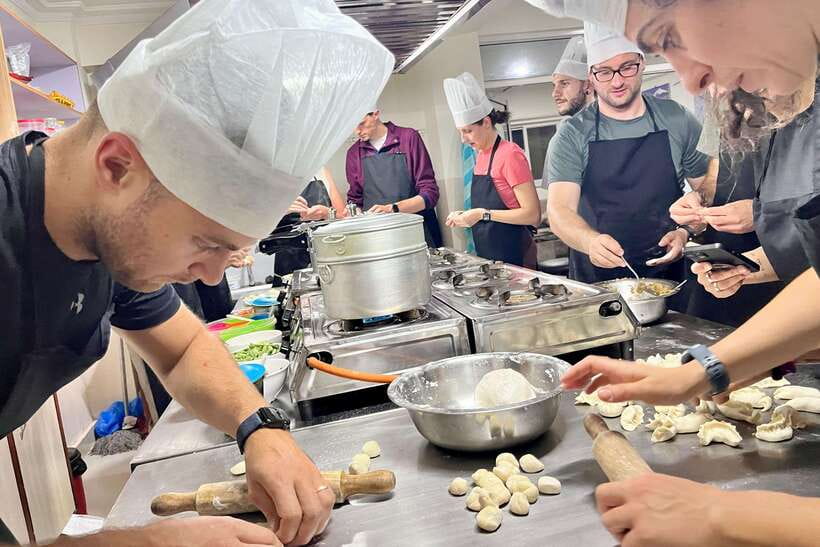
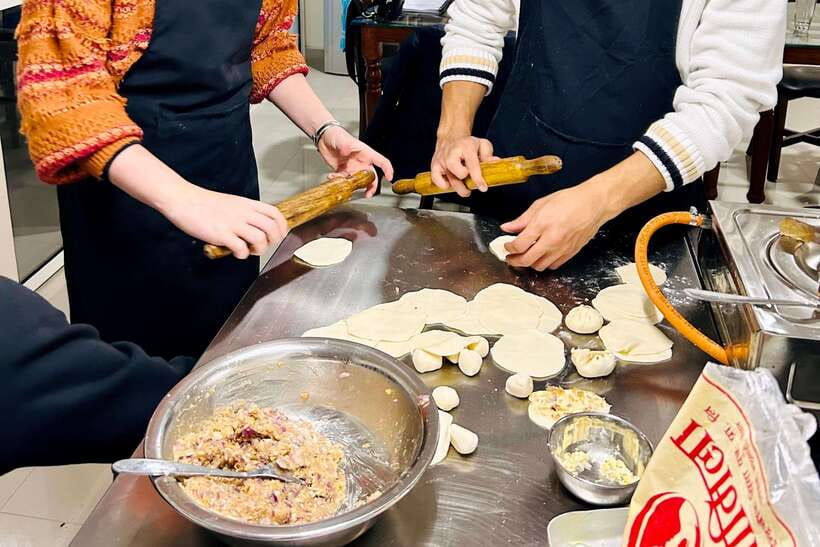
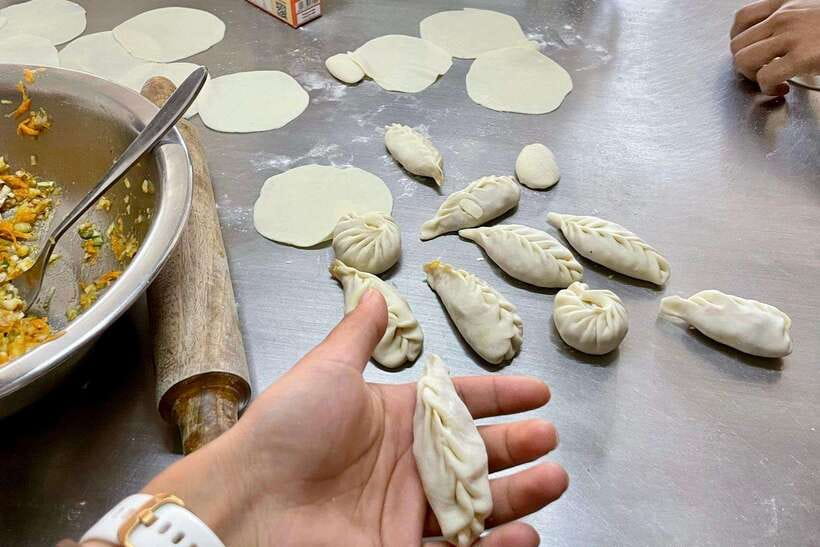
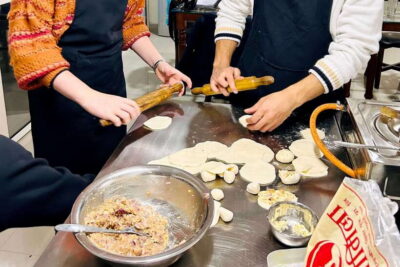
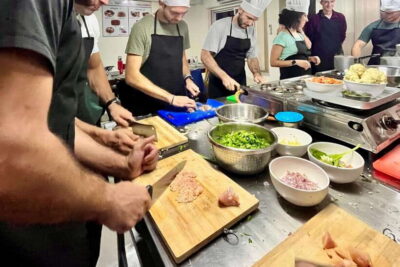
Once you’re in the kitchen, the class is step by step. The main flow looks like this: you prepare the dough, create the filling, shape the momos, then steam them.
This is where the teaching style matters, and the class earns strong marks for it. In past sessions, chefs like Birfan have been described as professional and attentive, and instructors like Bikram are known for patience even with mixed experience levels. That matters because momo shaping is physical and fiddly. Even if you do everything right, your first dumplings might look uneven. The point is that the teacher shows you what to do and helps you adjust.
You can also expect practical coaching on chopping and combining ingredients. That includes the kind of small handling tricks that make the filling easier to manage and less likely to leak during steaming. You’ll learn the required momo shape, and you’ll have time to practice rather than doing one take and moving on.
The kitchen setup is designed for a class, not a demo. You’re provided with cooking equipment and accessories, so you aren’t hunting for tools or figuring out what the pans are for.
If you’re worried about becoming confident quickly, don’t overthink it. One piece of advice that comes up often in classes like this is to take notes, because a printed recipe guide may not match what you were taught in the room. Your notes become your cheat sheet for remaking it later.
More to compare around Kathmandu
- Knife Khukuri Making Workshop
★ 4.9 · 38 reviews - Kathmandu: Wood Carving Workshop with Local Artisan (Thamel)
★ 4.9 · 17 reviews - Kathmandu: Women-Led Cooking Class & Momo Making-Local Taste
★ 4.8 · 15 reviews - Kathmandu: 3-Hours of Cooking Class with Meals
★ 5.0 · 10 reviews
Regular momo vs soup momo, plus tasting with Nepali masala tea
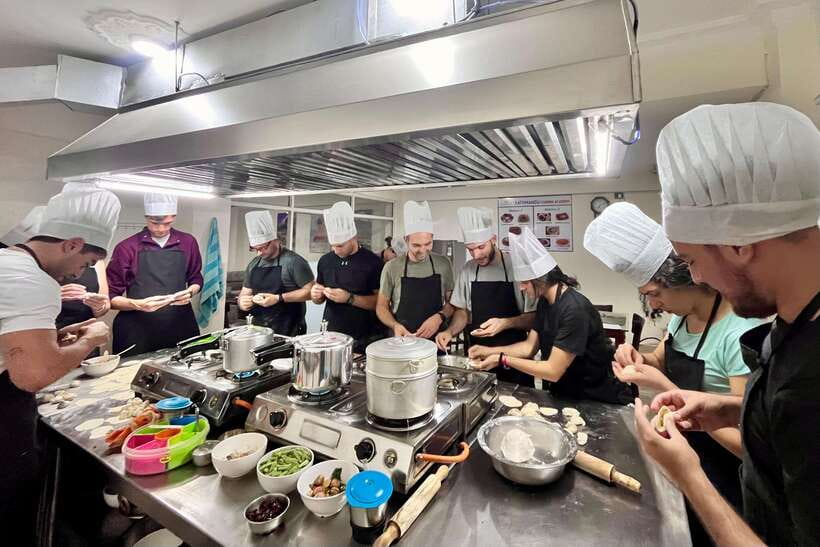
The class gives you options. You can make regular momos or choose the soup momo variation. This is a fun choice because it changes how you think about serving and texture. Regular momos focus on the dumpling itself and dipping or eating as prepared. Soup momos add that broth element, which affects how the dumpling feels in the bite.
At the end, you’ll do a tasting session of the momos you prepared, along with complimentary Nepali masala tea. This is more useful than it sounds. It’s not just a snack. It’s feedback. You taste your dumplings and you connect the method you used with the result you got: dough thickness, how well the seam held, seasoning balance, and overall steam consistency.
This is also when you can compare your batch to what you’ve eaten in Kathmandu. If your home experience with dumplings has been limited to store-bought versions, this tasting is the reality check that shows what steamed momo should feel like.
What kind of group experience it is, and how social it feels
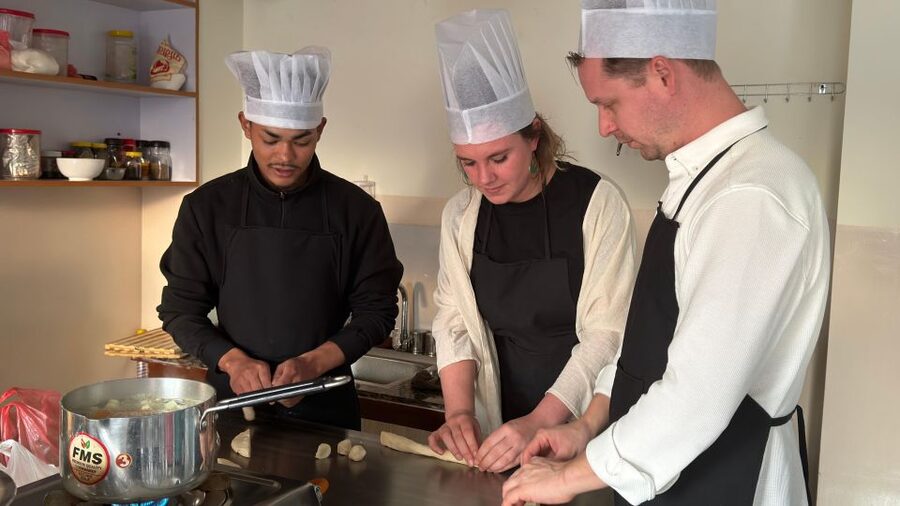
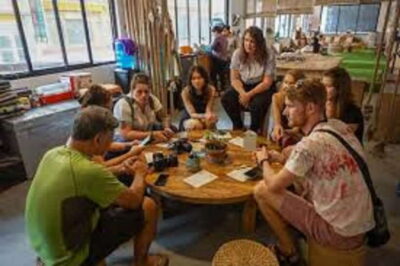
This is built as a small group class, limited to 10 participants. That has a clear effect on your experience. You’re less likely to feel like you’re stuck watching others, and more likely to get your questions answered while you’re shaping.
In one example of a past class format, the group included both adults and kids, with a wide age range, including someone around 75 and others as young as 7. The takeaway for you is that the staff can handle mixed groups and keep things friendly and organized. If you’re traveling as a couple or solo, you can still enjoy the social side without it turning into a chaotic party.
Also, there’s instruction in English, which is a relief if your Nepali is beginner level. You’ll still get local culinary vocabulary, but you won’t be left behind.
Allergy and dietary requests: how to keep things smooth
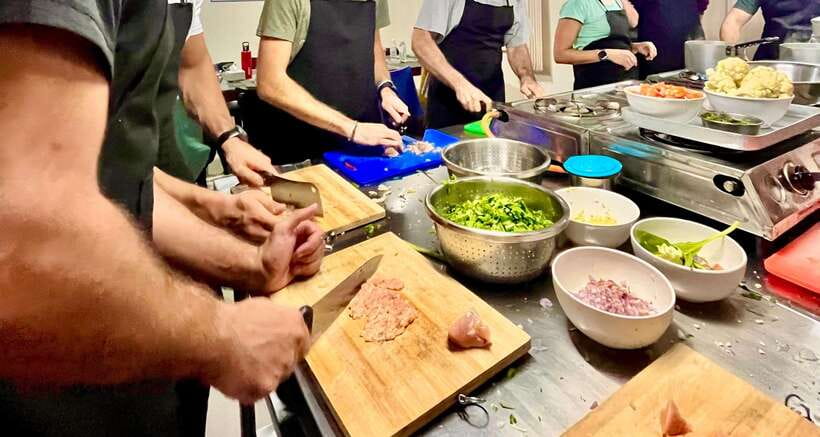
The class offers vegan options, and it can also handle different filling styles. To keep it safe and comfortable, you should inform the provider in advance if you have dietary restrictions or allergies. That’s stated as a requirement, not a suggestion.
What you should do personally: when you book, send your restrictions clearly and early. If you’re vegan, confirm how the filling is made. If you have an allergy, ask what ingredients are used in the dough and filling.
This matters because a momo class uses real food ingredients chosen at the market stop. The earlier they know, the easier it is to pick correct items and keep your tasting experience aligned with your needs.
What to bring, and how to get the most from the 2-hour window
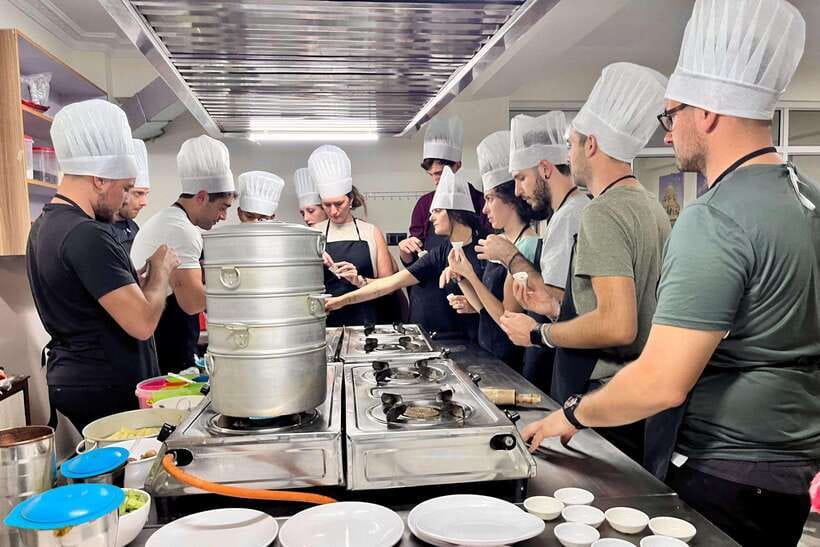
You only need one explicit item: bring a camera. Beyond that, I recommend you bring the things that help you learn fast in a short timeframe.
- A pen and notepad, for steps and ingredient notes
- A willingness to get your hands sticky, shaping is part of the fun
- A small appetite for tea and dumpling tasting at the end
Because the session is around 2 hours, your goal should be to learn technique and take enough notes to repeat it. Don’t aim for perfection on the first dumplings. Aim for understanding how the dough behaves, how filling texture affects shaping, and what steaming does to the final result.
Who should book this momo class, and who should skip it
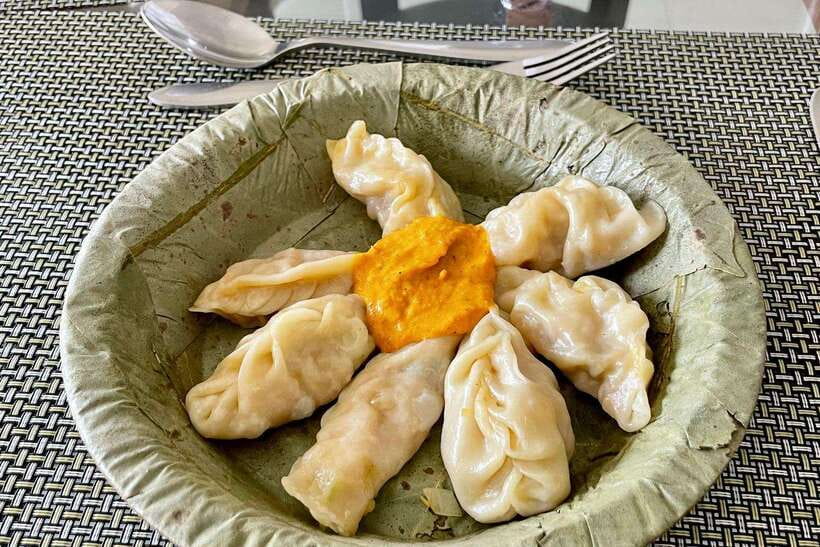
This experience is a great fit if you:
- want a hands-on Nepalese cooking skill you can repeat later
- like eating momos and want to understand what makes them good
- prefer smaller groups and clear instruction in English
- are interested in Kathmandu food culture through a market ingredient stop
It may not fit if you:
- need a very long, slow workshop. This is fast and practical.
- have very young kids. It’s not suitable for children under 5.
- are very elderly or have mobility limits. It’s listed as not suitable for people over 95.
If you’re flexible and you like learning by doing, you’ll likely have a satisfying experience even if you’ve never cooked dumplings before.
Should you book Kathmandu: Traditional Momo Making Class & Pickup?
Yes, if you want a short, hands-on way to learn Nepal’s most famous dumpling and you like the idea of choosing ingredients with a local guide before you cook.
This class is also a solid value at $4, because you get more than a meal. You get a guided ingredient selection, a real teaching process for dough and shaping, a choice of regular vs soup momos, and an end-of-class tasting with Nepali masala tea.
Book it if your travel schedule has room for a 1 PM start and you’re ready to take notes. Skip it only if you want a long, multi-course cooking day or you need a very tailored accommodation beyond what you can request ahead of time.
If your main goal is to come home able to make momo, this is the kind of class that actually helps you get there.
Latest Kathmandu write-ups
- 16 Days Island Peak Climbing With Everest Base Camp Private Trip★ 5.0 · 3 reviews
- 15 Days Round Annapurna Trek with Poon Hill from Pokhara★ 5.0 · 5 reviews
- Private Nepal round trip including Ghorepani Poonhill trek★ 5.0 · 3 reviews
- Everest Base Camp Trekking 16 Days★ 4.0 · 7 reviews
- 14 Days Luxury Annapurna Base Camp Trek★ 5.0 · 6 reviews
- Everest Base Camp Trek★ 5.0 · 32 reviews
- Everest Base Camp Trek★ 5.0 · 87 reviews
- Everest Base Camp Trek★ 5.0 · 97 reviews
Momo Making Classes, compared.
MoMo or Dal Bhat Cooking Class at Aama Kitchen in Pokhara
Read our review →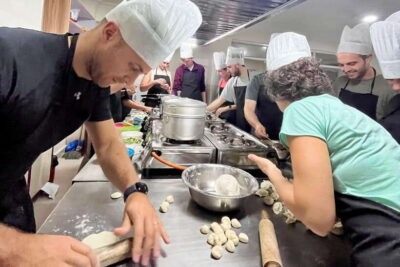
Browse the lists this tour appears in