
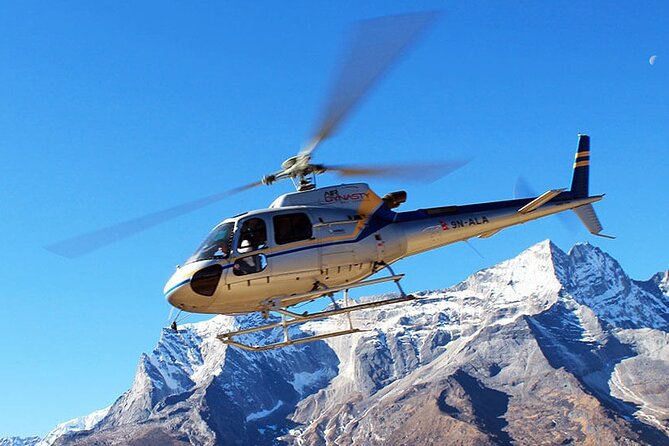
Reviewed · EVEREST BASE CAMP TREK
Everest Base Camp Landing by Helicopter at kalapathar View Point
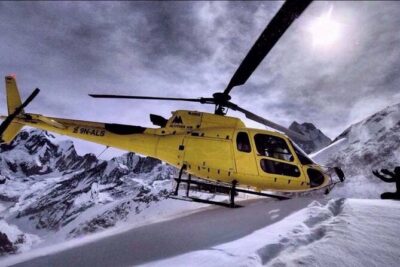
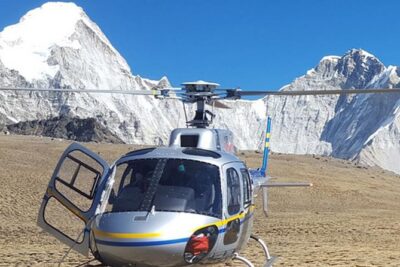
Everest Base Camp by helicopter to Kalapathar is interesting because it swaps a weeks-long trek for a single, early-morning flight day. You still get the dramatic Everest views, and you still get that real, close-to-the-mountain feeling, just with a lot less time spent walking.
I really like the way this tour builds in multiple viewing moments, including an Everest Base Camp area overfly and then a photo focused landing near Kalapathar. I also like the human side: the plan includes time around Sherpa culture, and the operator has worked with guides like Nawa and Hari, who are described as helpful and experienced. The main consideration is that your schedule depends on weather, and the time on the ground at each stop is short.
Key Points to Know Before You Go
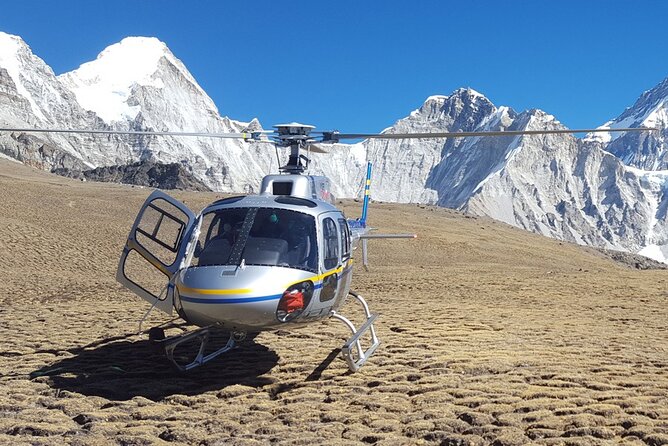
- Kalapathar landing for lifetime photos, timed for the best chance at clear views
- Lukla refuel stop that keeps the flights realistic, and gives context for the trek route
- Breakfast break near Khumjung area, with big panorama views if conditions cooperate
- Safety basics included, including oxygen cylinder and a first aid kit
- Strong cold-weather reality check, since higher points can be around -5 to -10 C in winter months
Why This Everest Base Camp Heli Day Feels Different Than a Trek
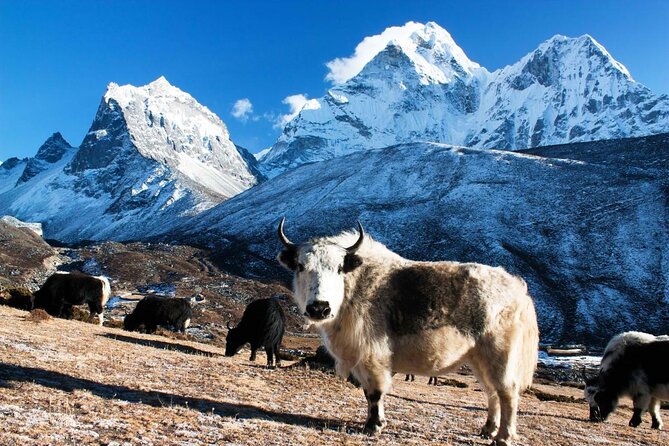
If you only have a short window in Nepal, this is one of the most direct ways to experience the Everest region without committing to weeks of hiking. The helicopter changes the pace. Instead of slow elevation gain and long trail time, you get quick transitions, concentrated photo stops, and a day that stays within roughly 5 to 6 hours.
What you’re really buying is access and timing. The Everest region is spectacular, but weather can be moody, and getting “the shot” matters. This itinerary is built to maximize your odds with clear sky windows, including a specific plan for an overfly of the Everest Base Camp area and then time around the Kalapathar viewpoint zone.
The other thing that makes a difference is the point of view. From a seat in the air, you see the structure of the valleys, the settlements, and the way the routes snake up toward the high country. It’s not just pretty scenery. It helps you understand how people and supply lines work in the Khumbu.
More ways to walk to Everest Base Camp:
- Everest Base Camp Trek – 14 Days
★ 5.0 · 1,499 reviews - Everest Base Camp Trek
★ 5.0 · 842 reviews - Everest Base Camp Helicopter Tour landing at Everest View Hotel
★ 5.0 · 668 reviews
The Morning Run from Kathmandu Airport: What Actually Happens
Your day starts early. You’re picked up at about 5:30 AM and taken to Kathmandu Airport for check-in at the helicopter counter. You’ll want your passport with you, since check-in asks for it, and the operator notes that a passport copy is enough (a picture on your phone works too).
Plan for a fast-moving morning. You’re going from hotel life to airport procedures quickly, then into a flight schedule that runs on strict timing. That means you should keep your most-used items in an easy pocket: lip balm, a small snack in case breakfast gets delayed by weather, and gloves you can put on without wrestling with layers.
One practical note I appreciate: the tour includes round-trip car transfer between your hotel and the airport. That removes a common headache in Kathmandu, where getting to the right counter, finding your driver fast, and managing time can turn into a small project.
Once you’re airborne, the itinerary becomes about two things: brief air segments and short stop windows. The day is not built for lounging. It’s built for seeing.
Kathmandu to Lukla: The Short Flight That Sets the Stage
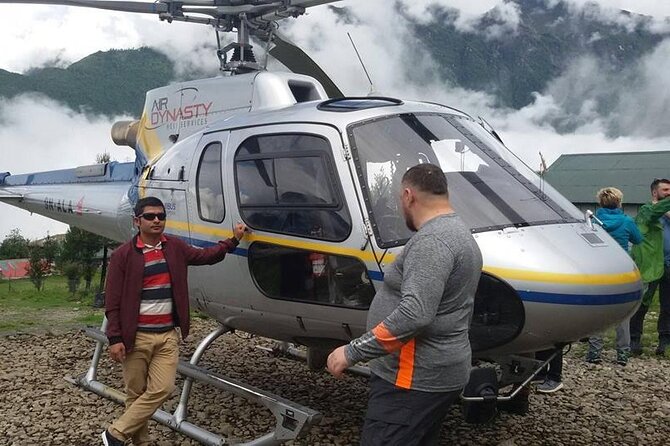
The flight to Lukla is about 50 minutes, and then you’ll do a de-fuel stop at Lukla. Even if you’ve never trekked, Lukla is a key part of Everest logistics. It’s the airport that trekkers typically fly into before starting the climb toward Everest Base Camp.
That matters because it changes how you experience the region. From the ground, Everest trekking can feel like one long grind. From the air and through the Lukla connection, you start to see it as a chain of steps and supports. Fuel stops, runway limitations, and weather windows all shape the route.
There’s also a small advantage to this structure. When you arrive at the higher country by helicopter, you still get that “first taste” of the Everest corridor. And you get it without the early days of walking and altitude adjustment.
Overfly of Everest Base Camp and the Kalapathar Photo Moment
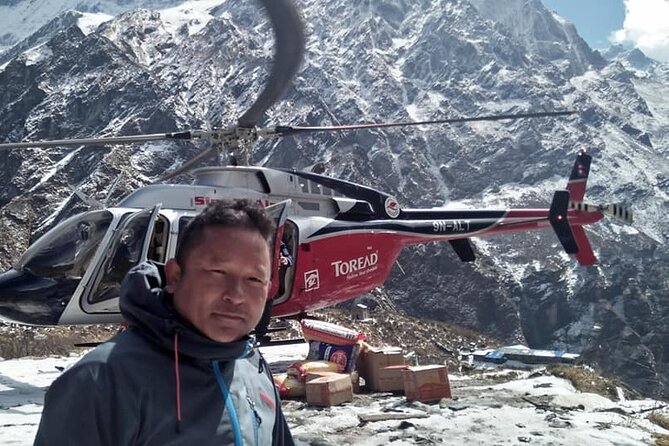
This is the heart of the day.
After the Lukla refuel, your flight continues toward the Everest Base Camp area, with an overfly (no landing) scheduled near Kalapathar around 8:25 AM. Overflying matters because it gives you one last wide-angle perspective. You’re able to spot the way the terrain fans out, and you get context for where everything sits relative to Everest and the surrounding peaks.
Then comes the part that most people dream about. The plan includes landing around the highest-point base camp zone near Kalapathar so you can take photos and videos. The stop time listed for this key area is around 10 minutes.
Ten minutes sounds short until you’re standing in the cold at high altitude looking at Everest. In real life, that kind of view is not a slow experience. It’s quick, intense, and worth moving efficiently. I’d treat it like a photo sprint. Put your camera ready before you step out. Choose angles fast, and don’t waste time untangling gear.
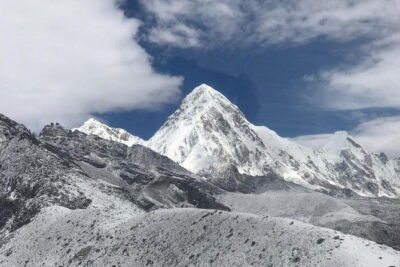
For the view itself, the itinerary highlights visibility of major peaks, including Mount Everest, Pumori, Lhotse, and Nuptse. Visibility is weather dependent, but when it works, you get that classic wide horizon feeling.
More Helicopter Tours in Kathmandu:
- Everest Base Camp Helicopter Tour landing at Hotel Everest View
★ 5.0 · 218 reviews - Everest Base Camp Trek with Helicopter Return from Gorakshep to Lukla
★ 5.0 · 161 reviews - Everest Base Camp helicopter tour with landing
★ 5.0 · 61 reviews - Everest Base Camp Helicopter Tour with Hotel Everest View Landing
★ 5.0 · 52 reviews
Khumjung and the Everest View Hotel Breakfast Stop
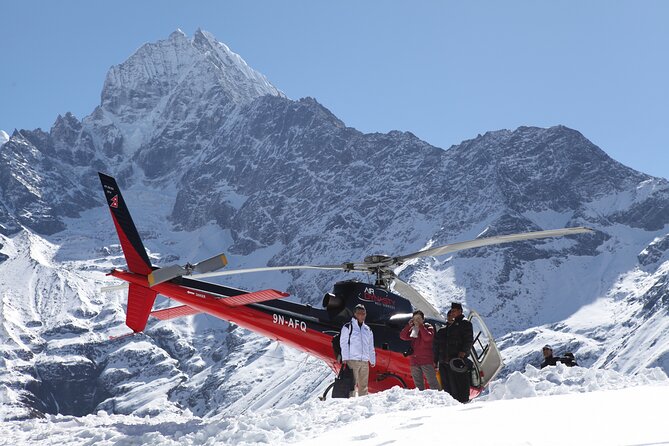
Your day doesn’t end at Kalapathar. Next, the itinerary includes flying toward the Khumjung area, with a landing point tied to the Hotel Everest View zone, noted as weather dependent. This is your break and breakfast window.
The plan mentions a set breakfast option of USD 31 per person, paid locally, and it’s described as subject to weather conditions. The typical time window mentioned for this stop is about one hour.
Why this stop is more than just a meal break: Khumjung is part of the Everest region’s cultural layer, not just its mountain layer. The tour’s highlights include the chance to explore ancient monastery areas in the broader Himalayan region, and it also specifically calls out interaction with Sherpas.
That’s the tradeoff with helicopter tours. You get less time on the ground than a trek, so you have to pick your moments well. This breakfast stop is designed to give you both something practical, warmth and food, and something meaningful, a chance to connect with the people and setting that keep this region alive year after year.
If the weather is poor, your plan may change. Even then, you’re still likely to get a viewpoint break because the itinerary is set up with multiple landing points and alternatives like weather-dependent stops.
Returning Through Lukla: How the Flight Home Is Managed
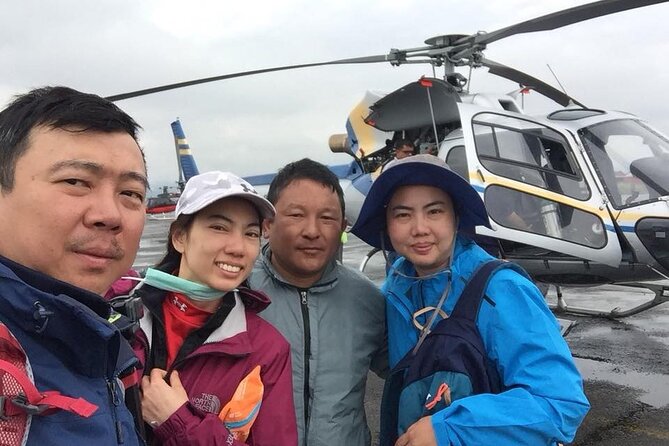
On the way back, you’ll fly from the Everest area back toward Kathmandu via Lukla. The itinerary notes that the flight from the Hotel Everest View zone to Kathmandu via Lukla takes about one hour, and the captain can route either through Lukla or directly depending on fuel situation.
This routing detail is a small thing, but it’s a big reassurance. It means the flight plan is flexible within the real-world constraints of aviation. In mountains, “direct” is not always guaranteed, and fuel planning is everything.
You’ll also get another glimpse at the way the valley floor and settlements sit under the flight path. It’s a good mental reset after the intensity of Everest views. Instead of staring at peaks all day, you get to understand how the region connects back to Kathmandu and the daily rhythm of life.
Safety Gear, Altitude Reality, and What to Pack
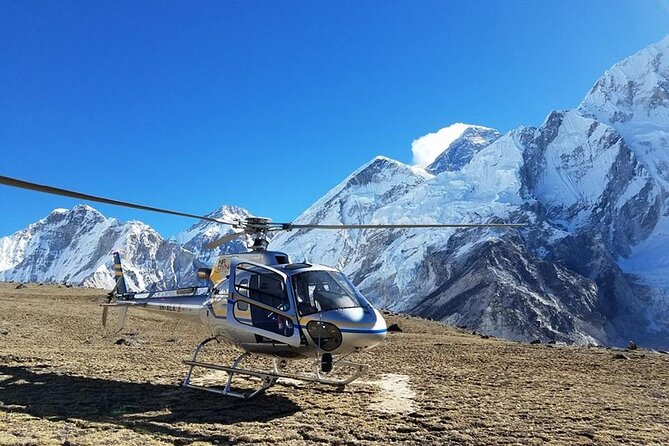
This tour includes a first aid kit box and an oxygen cylinder for emergency use. That’s not something you see often listed for day helicopter experiences, and it’s worth appreciating because altitude plus cold plus quick transitions is exactly where basic preparedness matters.
Still, don’t treat “oxygen included” as a substitute for planning your body and clothing. The tour notes warm dress for -5 degree Celsius in summer and -10 degree Celsius in winter for higher points only. That’s a big clue about what you’ll feel during those short, exposed moments near Kalapathar.
Pack like you’ll stand outside. Even if the sun is bright, wind and altitude make a difference. Gloves, a hat, layers you can adjust, and insulated outerwear will matter more than fancy gear.
Also note the total weight per passenger limit is 221 lbs. If you’re close to that number, double check before booking so you avoid disappointment later.
Price and Value: Is USD 3,300 Worth It for Your Time?
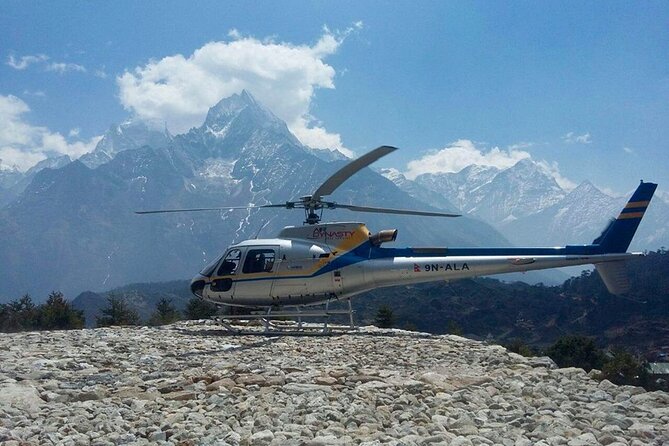
At USD 3,300 per person, this is not a budget tour. But value is about matching the experience to your constraints.
If you’ve got limited time in Nepal, the value equation shifts. A multi-week trek to Everest Base Camp costs money, time off work, and physical effort. This tour compresses a major destination into one flight day. You get the Everest corridor views plus a Kalapathar landing without the weeks of walking.
You’re also paying for the operational complexity: helicopter flight segments, expert pilot time, landing permissions, and airport coordination. The tour includes government taxes and service charges, plus round-trip car transfers between your hotel and the airport.
What’s not included is also important for your budget planning:
- National park entrance fees and municipality entry fees are listed as USD 50 per person, paid locally.
- Breakfast at Hotel Everest View is optional and listed at USD 31 per person, subject to weather.
So the real cost is base price plus any local fees and the breakfast choice. If you’re someone who really wants the Everest views but can’t or won’t hike for weeks, that added cost can feel justified.
The biggest value win is psychological. You’re not wondering if your legs can handle altitude hikes, or if you’ll lose precious time. You’re doing a concentrated experience, with your effort focused on dressing right and taking photos fast.
Guides Like Nawa and Hari Make the Day Feel Smooth
Even with a tight schedule, the experience can either feel chaotic or calm. The positive feedback you’ll often hear around this operator centers on how helpful the team is.
Names that show up in the guide experience include Nawa and Hari. The descriptions are consistent: kind, experienced, and good at making the day feel special without turning it into a hard sell. If you care about getting context, not just scenery, having a guide who can explain what you’re seeing is a big deal.
Also keep in mind this is described as a private tour/activity, meaning your group participates together rather than blending into a large crowd. That can make things easier when timing and photo stops are tight.
Who Should Book This Everest Base Camp Heli Tour?
This is a great fit if most of these sound like you:
- You’re short on time and want Everest region highlights in one day
- You prefer time efficiency over a multi-day trek
- You want a Kalapathar landing and don’t want to earn it with weeks of hiking
- You’re comfortable with early mornings and cold conditions
- You want a guided, structured experience with safety basics like oxygen and first aid
It might not be for you if:
- You hate tight schedules and brief stop windows
- You’re very price sensitive
- You’re not comfortable with weather-dependent planning
- You need long breaks for comfort at high altitude
Quick Decision Guide: Should You Book It?
I’d book this if your priority is Everest views with minimum hiking. The helicopter part is the whole point, and the plan is built to maximize key viewpoints like Kalapathar and the Everest Base Camp area overfly.
I’d pause if your travel style needs slow pacing, or if the idea of cold outdoor moments and short photo stops stresses you out. Also take the weather dependency seriously. If your trip dates are flexible, you have a better shot at a clear day.
If you’re ready to trade trail time for flight time and snapshots for memories, this tour can deliver exactly what it promises: a one-day Everest experience that still feels real.
FAQ
How long is the Everest Base Camp helicopter day tour?
It runs about 5 to 6 hours (approx.).
What is the flight time included in this tour?
The tour lists flight time of about 5 to 6 minutes, with longer overall segments including the flight to Lukla and onward flights.
Do I get picked up from my hotel?
Yes. The tour includes round-trip transfer, pickup from your hotel by car and drop back after the flight.
Do I need the original passport?
No. The tour says you can carry a passport copy, and a picture on your phone works too. However, check-in at the helicopter counter asks for passport information.
Is breakfast included?
Breakfast is optional. There is an optional breakfast listed at Hotel Everest View for USD 31 per person, subject to weather conditions.
Are national park and municipality fees included?
No. National park entrance fees and municipality entry fees (USD 50) are not included and are paid locally.
What should I wear for the higher viewpoints?
Bring warm clothing. The tour notes winter conditions can feel like -10 C, and summer conditions can feel like -5 C for higher points only.
Is there a weight limit?
Yes. The total weight per passenger is listed as 221 lbs.
What happens if weather is bad?
The experience requires good weather. If it is canceled due to poor weather, you will be offered a different date or a full refund.
Latest Kathmandu write-ups
- Langtang Valley Trek★ 5.0 · 3 reviews
- Khopra Danda Trek★ 5.0 · 3 reviews
- Langtang Valley Trek from Kathmandu★ 5.0 · 3 reviews
- 5 night / 6 days Kathmandu Nagarkot Chitwan Pokhara tour★ 5.0 · 3 reviews
- Nepal Highlights Tour: 5 Nights 6 Days Kathmandu & Pokhara Tour★ 5.0 · 3 reviews
- Kathmandu Valley Private Day Tour★ 5.0 · 3 reviews
- Conquer the Himalayas: The Ultimate 16-Day Annapurna Circuit Trek★ 3.5 · 3 reviews
- Kathmandu Heritage Day Tour★ 5.0 · 3 reviews
Everest Base Camp Trek, compared.

Everest Base Camp Helicopter Tour landing at Everest View Hotel
Read our review →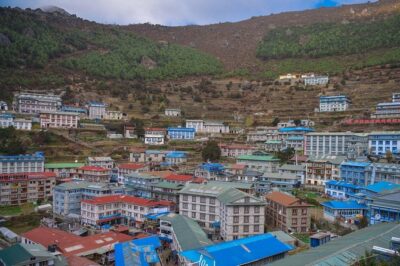
Everest Base Camp Helicopter Tour landing at Hotel Everest View
Read our review →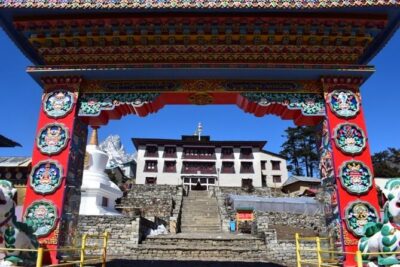
Browse the lists this tour appears in