
Reviewed · EVEREST BASE CAMP TREK
Everest Base Camp Trek with Helicopter Return – 10 Days
Everest Base Camp in 10 days is already a big idea. Add the helicopter return from Kalapathar and you get a rare mix of serious trekking and a clean exit from the mountains, without backtracking. I also like the small-group feel, plus the fact that most of the heavy lifting is handled for you, from permits to tea house stays.
The main drawback to plan for is weather. Flights to Lukla and the helicopter ride depend on conditions, so you need a flexible mindset and solid altitude fitness.
You start in Kathmandu with an easy handoff to the trip team, then move through the Khumbu step by step, with acclimatization built in. In past groups, English-speaking leaders like Dipak and Ramesh, plus assistants like Rabi, have been singled out for keeping things organized and people safe, and that matters when the terrain gets steep.
Key highlights at a glance
- Helicopter return from Kalapathar to Kathmandu, so you skip the long hike back to Lukla
- Flights to Lukla and a guided, permit-covered route through Sagarmatha National Park
- Tea house lodging and trekking meals included, so you are not constantly hunting for logistics
- Small group capped at 15 travelers, which keeps the pace and attention more human
- Gear support included: down jacket, sleeping bag, walking pole, plus a duffle bag
- Porters included with a 1 porter for 2 trekkers ratio, which makes the climb feel more doable
Kathmandu first, so you start the trek with your head on straight
Day 1 is all about reset. You land in Kathmandu, meet the team, then transfer to your hotel. The rest of the day is free for exploring or resting, which is smart because you will likely need time to adjust before altitude work begins.
Kathmandu is busy, colorful, and a little chaotic in the best way. Use the afternoon to do simple things: get cash sorted for the visa if needed, check your gear, and sleep early. You do not want to arrive hyped and tired, because your first mountain day starts early.
More ways to walk to Everest Base Camp:
- Everest Base Camp Trek – 14 Days
★ 5.0 · 1,499 reviews - Everest Base Camp Trek
★ 5.0 · 842 reviews - Everest Base Camp Helicopter Tour landing at Everest View Hotel
★ 5.0 · 668 reviews
Lukla flight to Phakding: the moment the trip turns real
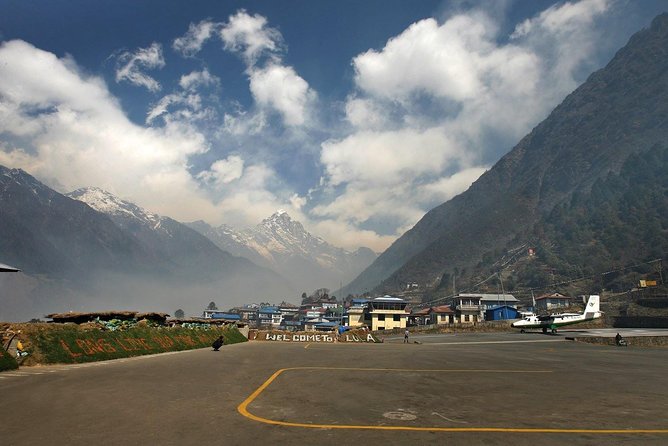
On Day 2, you drive to the domestic airport and fly to Lukla. Then you start trekking to Phakding, with lush views and passes by places like Kusum Kangaru in the background. The trail right away feels greener and more alive than Kathmandu, and it is a good mental switch from city time to mountain time.
Lukla is the gateway into the Everest region. You will walk past checkpoint and park entrance as the route heads toward the higher zones, and that is part of why having a guide matters. You are not just walking a famous line, you are moving through protected territory where things like permits and timing still matter.
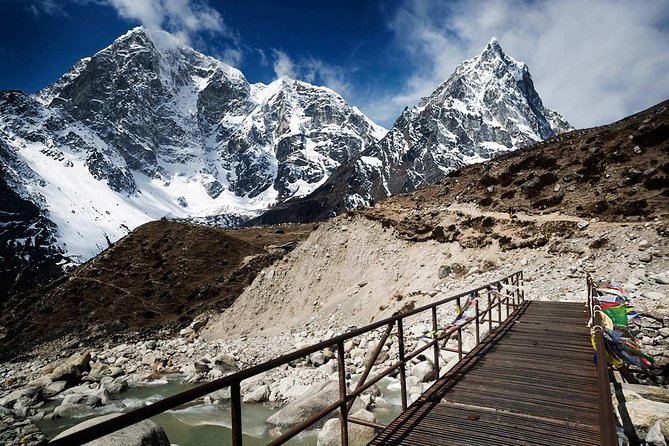
Day 3 continues the trek toward Namche Bazaar, and you will cross key moments like the Hillary suspension bridge. You also pass through pine forest along the Dudh Koshi River. Expect a mix of steady walking and short climbs, enough to get you warm but not enough to burn you out before acclimatization.
Namche Bazaar and the Everest “gateway” feeling
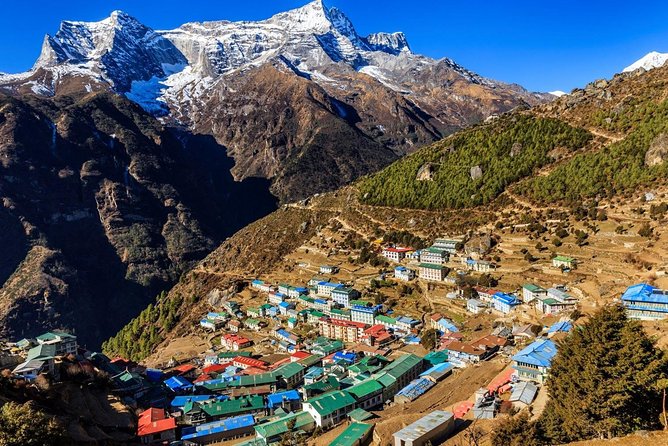
Namche Bazaar is the Sherpa capital and the main gateway into the Everest area. You arrive and it feels like the mountains got closer overnight. This is also where the trek shifts from just hiking to altitude strategy.
You will likely spend a good chunk of Day 3 in the Namche zone, then Day 4 is set for acclimatizing. On Day 4, you hike up to Everest View Hotel for big views of Mount Everest. This is one of those days where you move, but you also get the payoff of understanding what you are chasing.
If you have time and want culture, there is a Sherpa Museum in Namche. It is not included, but it can be a useful stop if you want context for how communities live at these heights. Even a short visit can help the trek feel less like a checklist and more like a place with real people and history.
Tengboche to Dingboche: monasteries, bridges, and a steadier climb
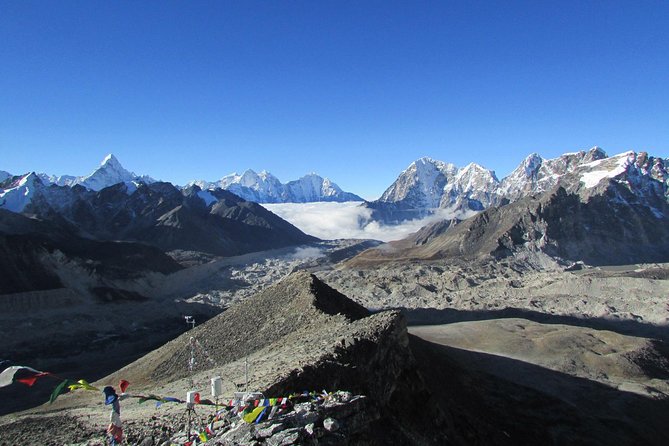
Day 5 takes you toward Tengboche, which is known for its monastery and is a key stop on the route. It is also one of the points where the trail starts feeling more “high-altitude trekking” than “warm-up trekking.” You walk through villages and cross bridges, including the Dudh Koshi crossing, which gives you that classic Khumbu rhythm of up, down, and up again.
Tengboche is a great place to pause. The monastery setting tends to slow your mind down for a minute. You also get a taste of how the trail community works, with tea houses functioning as both lodging and social hubs.
Day 6 moves you into the next set of villages and higher elevations, passing places like Pangboche and crossing terrain around the Imja Khola. Then you reach Dingboche, a small village with an acclimatization stop point. This is where the trek gets more demanding, not because the trail is harder in every single step, but because your body has to adjust.
The practical takeaway: treat Day 6 like a “conservation day.” Walk carefully, sip water, and do not force pace. When people say acclimatization is everything, this is the part they mean.
More Helicopter Tours in Kathmandu:
- Everest Base Camp Helicopter Tour landing at Hotel Everest View
★ 5.0 · 218 reviews - Everest Base Camp Trek with Helicopter Return from Gorakshep to Lukla
★ 5.0 · 161 reviews - Everest Base Camp helicopter tour with landing
★ 5.0 · 61 reviews - Everest Base Camp Helicopter Tour with Hotel Everest View Landing
★ 5.0 · 52 reviews
Chola Lake and Duglha: the day you feel altitude in your breathing
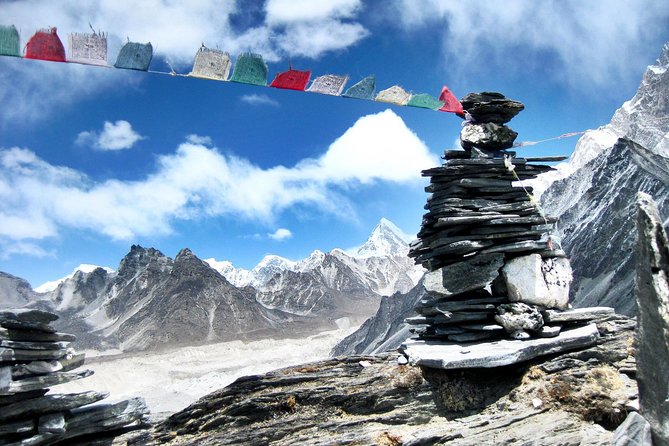
By Day 7, you are climbing toward Duglha through the Khumbu Khola Valley. You pass along areas like Dusa and Phulung Karpo and then reach Chola Lake. Chola Lake is one of those places that changes the feel of the hike, because the scenery looks more open and the altitude starts to show in small ways, like how long you need to recover after a climb.
The route keeps moving with ups and downs, and then you reach Duglha. The day continues to keep you in that “steady effort” zone where you focus on form and breath. It can feel long, but it is also the day that gets you ready for the Everest Base Camp push.
Even though the itinerary includes “Lobuche” as a nearby reference point, what matters most for you is that this is the lead-in to the high-country walking and glacier views. If you keep your effort controlled on Day 7, Day 8 feels far less brutal.
Everest Base Camp day: Gorakshep, icefall views, and the real reason you came
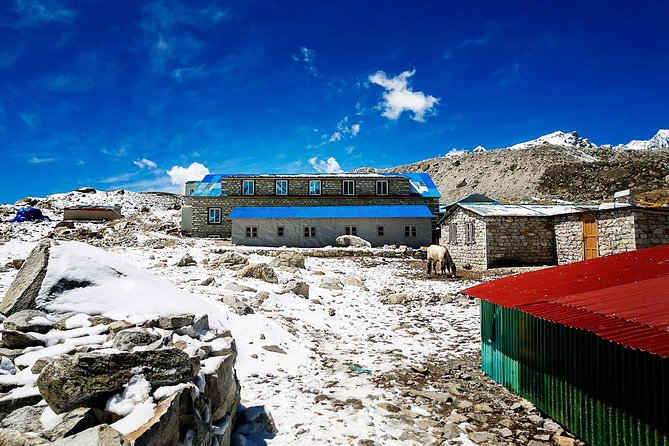
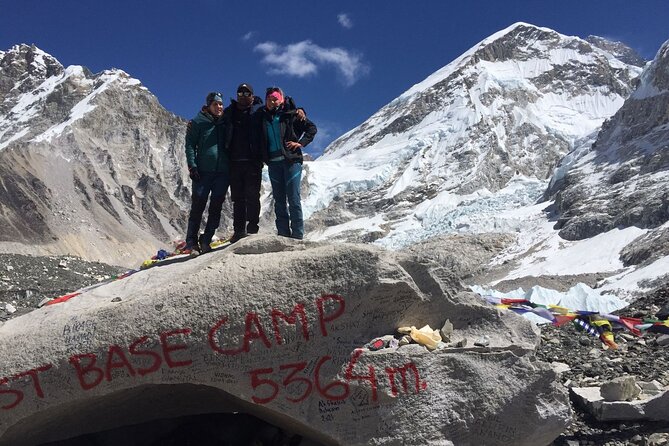
Day 8 is the big goal day: you hike to Everest Base Camp, then return to Gorakshep. Along the way, you get those close-up Khumbu Glacier and icefall sights that make Everest feel less like a poster and more like an actual world.
Reaching Everest Base Camp is not about speed. It is about arriving with enough energy to actually look around. You will likely spend a short time there, then continue onward to Gorakshep, which becomes your base for the next morning.
One practical note: this is when cold can start biting harder, even if earlier days felt comfortable. You will be tired, so layers matter. You are not just climbing, you are also managing temperature and keeping your body steady.
Kalapathar, then helicopter back to Kathmandu: the signature payoff
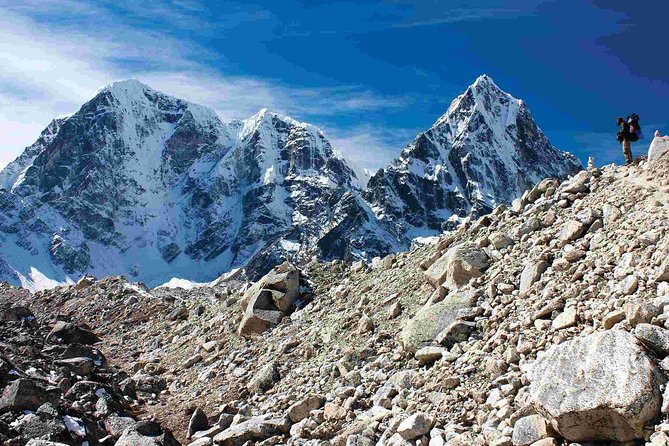
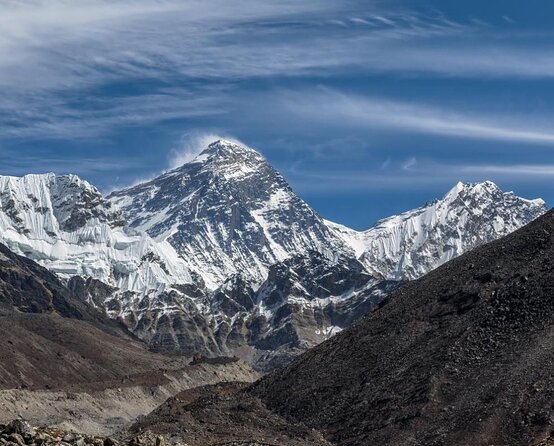
Day 9 starts with a hike to Kala Patthar, a popular viewpoint for 360-degree panoramic views of the Khumbu mountains, including Everest. This is one of those mornings where the reward is worth the wake-up call, as long as you go at a pace that matches how your body feels that day.
After Kalapathar, you fly back to Kathmandu by group sharing helicopter. This is the central reason many people choose this exact style of trip. Instead of hiking the same route back and losing multiple days to repetition, you get a fast, dramatic change from high terrain to city relief.
The helicopter part can feel almost surreal. You go from thin-air walking to views that make the trek map look simple. And because you are not doing the long descent back the whole way, you protect your trip momentum.
What you’re really paying for: value math on the $3,400 price
At $3,400 per person, this is not a budget trek. But I think it can be good value if you compare what you are not paying for and what would be hard to arrange on your own.
Here is what is included:
- All tea house accommodation during the trek
- Meals during the trek (breakfast, lunch, dinner)
- Flights from Kathmandu to Lukla, plus a helicopter return to Kathmandu in a group sharing basis
- An experienced English-speaking trekking guide and porters (1 porter for 2 trekkers)
- Everest Trek permit and TIMS card
- Airport transfers in Kathmandu by private vehicle
- Duffle bag, down jacket, sleeping bag, and walking pole
- Trekking map and trip achievement certificate
- Government taxes, VAT, office charges, landing and facility fees
So you are paying not just for guides and beds, but for the entire framework that keeps the trek moving. That includes permits, timing, and logistics. The biggest “value” lever is that helicopter return and flights are expensive to arrange, and the trip wraps those costs into one package.
What is not included:
- Lunch and dinner in Kathmandu
- Nepal entry visa fee, plus instructions to bring accurate USD cash and two passport photographs
- Personal expenses like calls, laundry, bar bills, hot showers, and internet
- Drinks, including tea, coffee, bottled water, and similar items
- Tips for guide and porters (expected but not mandatory)
If you hate surprises, this kind of package pricing can feel easier, especially once you are already spending big time and energy getting to Nepal.
Day-by-day pacing: where this route is demanding and where it is forgiving
This trek is designed around acclimatization rather than pure speed. You get a major altitude prep day at Namche, then a viewpoint acclimatization step at Everest View Hotel. Later, you hit Dingboche, which is another built-in pause.
Here is how I would think about effort level:
- Early days (Lukla to Namche): steady exertion, plus elevation that ramps up daily
- Mid days (Tengboche to Dingboche): more high-country walking, pay attention to breath and hydration
- Push days (toward Chola Lake, then to Everest Base Camp): long hours, cold exposure, and the need to keep pace conservative
Your included porter arrangement helps with comfort. You still do the walking, but you are not trying to carry everything uphill at altitude.
Tea houses, meals, and water decisions that affect how you feel
Tea houses are the standard style of lodging on this route. They are practical: you sleep, eat, and reset for the next day. Included meals mean you are not forced to search for food in limited hours when you are tired and cold.
What I suggest you do is keep your intake simple. Eat what you can stomach without gambling on spice. Warm meals matter when temperatures drop, and consistent meal times help your energy. For drinks, remember drinks are not included, so plan on paying for them and for bottled water or other options based on what your guide advises.
Also, cold mornings and high elevations can make you underestimate how often you need water. Drink even when you do not feel thirsty.
Gear and group size: the logistics that keep you from feeling overwhelmed
Good gear can change the whole experience. This trip includes a duffle bag, down jacket, sleeping bag, and walking pole. That means you can travel lighter from home, and you have fewer decisions to make once you land.
The group size cap is 15 travelers, which tends to keep things calmer than huge treks. In practical terms, it usually means smaller queues at tea houses and less confusion when guides are coordinating pacing.
You also get a map and trip achievement certificate. The certificate is not why you go, but it is a nice touch at the end of a hard, multi-day accomplishment.
Who this trek with helicopter return is best for
This fits you best if:
- You want to see Everest Base Camp but you also want to protect time
- You are comfortable doing multiple days of uphill and downhill at altitude
- You like having logistics handled, from permits to meals to transportation
- You want the emotional payoff of Kalapathar, plus the relief of flying back instead of repeating the long return trek
It may not fit you if:
- You want a fully independent, no-guides, no-group experience
- You struggle with uncertainty around weather, since flights and the helicopter depend on conditions
- You are not willing to do moderate daily hiking, even with rest and acclimatization breaks
Should you book this Everest Base Camp trek with helicopter return?
I would book this if your top goal is Everest Base Camp and you also want the best possible “time and energy trade-off.” The helicopter return is the headline for a reason, because it saves days and spares your legs from backtracking.
I’d also feel comfortable booking because so many core pieces are included: tea houses, trekking meals, permits, guides, porters, and even key cold-weather gear. That is what turns a legendary hike into a trip you can actually manage.
Just be honest with yourself about weather dependency and altitude readiness. If you come with flexibility and a steady hiking rhythm, this is a strong way to reach Everest Base Camp without spending the ending of your trip in reverse.
FAQ
Is pickup and transfer included in Kathmandu?
Yes. You get airport pick up and drop off by private vehicle as per the itinerary, plus accommodation in Kathmandu including breakfast.
How do you get to Lukla, and how do you return to Kathmandu?
You fly from Kathmandu to Lukla, then trek into the Everest region. After you hike to Kalapathar, you fly back to Kathmandu by group sharing helicopter.
Are tea house stays and trekking meals included?
Yes. Tea house accommodation during the trek is included, along with meals during the trek (breakfast, lunch, and dinner).
What permits are included?
Your Everest Trek permit and TIMS card are included.
What gear is provided for the trek?
The trip includes a duffle bag, a down jacket, a sleeping bag, and a walking pole.
Is lunch and dinner in Kathmandu included?
No. Lunch and dinner in Kathmandu are not included, and you will also need to pay the Nepal entry visa fee if required.
Latest Kathmandu write-ups
- Langtang Valley Trek★ 5.0 · 3 reviews
- Khopra Danda Trek★ 5.0 · 3 reviews
- Langtang Valley Trek from Kathmandu★ 5.0 · 3 reviews
- 5 night / 6 days Kathmandu Nagarkot Chitwan Pokhara tour★ 5.0 · 3 reviews
- Nepal Highlights Tour: 5 Nights 6 Days Kathmandu & Pokhara Tour★ 5.0 · 3 reviews
- Kathmandu Valley Private Day Tour★ 5.0 · 3 reviews
- Conquer the Himalayas: The Ultimate 16-Day Annapurna Circuit Trek★ 3.5 · 3 reviews
- Kathmandu Heritage Day Tour★ 5.0 · 3 reviews
Everest Base Camp Trek, compared.



Everest Base Camp Helicopter Tour landing at Everest View Hotel
Read our review →



Everest Base Camp Helicopter Tour landing at Hotel Everest View
Read our review →
Browse the lists this tour appears in