
Reviewed · EVEREST BASE CAMP TREK
Everest Base Camp Trek with Kathmandu Valley Sightseeing Tour
A trek to the foot of Mount Everest starts with a flight to Lukla and then just keeps climbing through Sherpa communities and high mountain terrain. I like how this trip is built around the actual journey, not only the postcard moment. You walk through villages, gorges, valleys, rivers, forests, and trails cut along steep sides.
I also like the way the experience is handled in real-world terms. The guide name that shows up often is Kumar, and the trip is described as smooth and stress-free thanks to solid planning and local support, including Sherpa help on the trail.
One consideration: this is not a casual hike. You’re dealing with cold, arid conditions and big altitude gains, and the Lukla flight can be hit by weather, so you’ll want serious travel insurance and a little breathing room in your schedule.
Key things that make this Everest Base Camp trip worth your attention
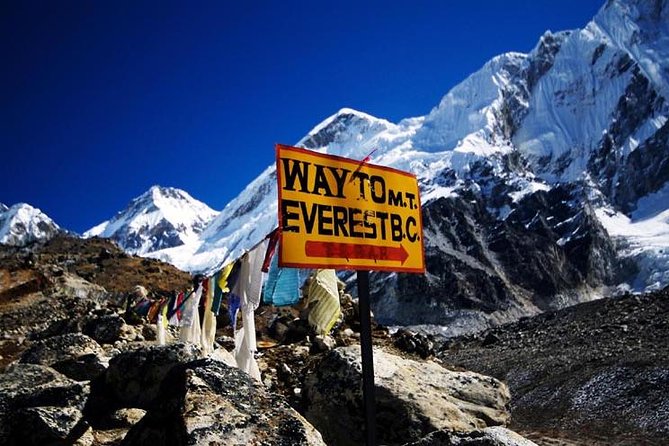
- Lukla to Everest Base Camp, with Kala Patthar payoff: you go beyond base camp for the high-view moment.
- Sherpa-village trekking: the trek feels human, not just altitude-chasing.
- Support included on the ground: porters plus local staff, with a porter assigned one for each pair of travelers.
- Park permits handled for you: Sagarmatha National Park entry permit and TIMS card are included.
- Value focused on logistics: a Kathmandu hotel, guesthouse stays, and breakfasts are part of the package.
- A guide team people rely on: Kumar is repeatedly highlighted as a steady leader.
Kathmandu first: hotel comfort and valley sightseeing before the altitude
You start in Kathmandu, and that matters. You begin with a three-star hotel stay on a twin-sharing basis, and breakfast is included. After travel days, a real bed and a proper start to the morning are not minor details. They help you sleep, eat, and get ready for the trek the right way.
You’ll also get a Kathmandu Valley sightseeing tour as part of the overall experience. The exact sights aren’t listed here, so I can’t name specific temples or squares for you. But the point is practical: you’re not only traveling to altitude, you’re also spending time getting grounded in the city culture before you go high and quiet.
This is also when you should handle the stuff that can cause last-minute stress later. Confirm your gear, double-check your medications, and be honest with your guide about any medical conditions before you go. The trip specifically asks you to inform them if you have any condition that could affect your time at altitude or on rough terrain.
More City Tours in Kathmandu
- Private Kathmandu Sightseeing Tour | UNESCO World Heritage sites
★ 5.0 · 756 reviews - Kathmandu: Private City Guided Tour
★ 4.9 · 174 reviews - Kathmandu Private Sightseeing Tour | UNESCO World Heritage Sites
★ 5.0 · 109 reviews
The 5:45 am start: meeting at Tribhuvan Airport and the Lukla reality check
Your meeting point is Tribhuvan Airport in Kathmandu, with a start time of 5:45 am. That early push is normal for mountain trips because flight schedules are tight and weather can change fast.
Then comes the big planning reality: the flight to Lukla is described as vulnerable to weather shocks. Delays and cancellations due to unfavorable conditions are common enough that the operator advises you to free up a few days before and after your trek dates. I agree with that. Everest-area travel punishes rigid timetables.
So what does that mean for you?
- Be ready for schedule changes without panic.
- Keep your phone charged, your documents accessible, and your expectations flexible.
- Treat Kathmandu as your buffer zone until the weather allows the jump to Lukla.
If you hate uncertainty, this might be the hardest part of the whole journey. If you can handle a slower plan when nature has other ideas, the trek itself is where the magic happens.
From Lukla into the Sherpa villages: trekking that feels like a route, not a stunt
Once you’re on the trail from Lukla, you’ll walk through Sherpa villages on the way up and on the way back. That’s a key difference between this trek and the treadmill-style “go straight up, then go home” approach.
You’re moving through the terrain one step at a time: gorges, valleys, rivers, forests, and mountain-side trails. The trip is described as cold and arid in the Everest region, which is exactly why the village sections matter. They give you breaks in scenery and culture, and they help you see the mountain as a lived-in place, not just a looming wall of rock.
The trek difficulty is framed as climbing mountains for most of the trip, but in short sessions with plenty of rest and sightseeing along the way. That matters because altitude is not just about legs. It’s about pacing, breathing control, and avoiding the urge to sprint for summit-day energy.
Also, pay attention to the terrain description: snow, trails carved on the sides of mountains, and deep gorges. This is why good footwear and cautious footwork are non-negotiable. You’ll want stable shoes and the willingness to slow down when the trail asks for it.
Everest Base Camp, but with context: what it means to reach 18,519 feet
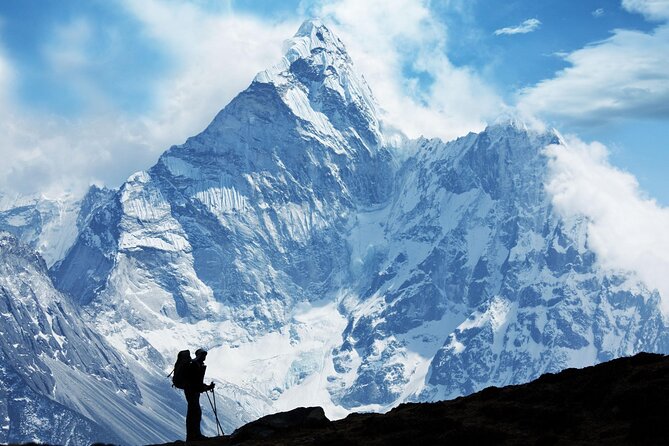
The core goal is classic: you’ll stand on the foot of Mount Everest at Everest Base Camp and look up at the mountain as much as you can. The trip positions Base Camp as where mountaineers begin their summit push, and even if you are not climbing Everest itself, the experience is still the real deal in terms of altitude and atmosphere.
Here’s what to keep in mind. This region is not lush and gentle. The trek is described as cold, arid, and unforgiving, and you’ll be dealing with high elevation for long stretches. That’s why the altitude numbers matter to plan your mindset:
- Kathmandu sits around 4,600 feet
- The high point of Kala Patthar reaches about 18,519 feet
Kala Patthar is highlighted as a climb to an actual mountain during the trip, not just a base camp stop. That’s important because it changes the feel of the trek. Base Camp gives you the iconic standing-in-history moment. Kala Patthar tends to reward you with the highest viewpoint payoff, which is why people go all the way up there in the first place.
Cold air and thinner oxygen can make you feel slower, and that’s normal. Your best strategy is to treat the trek like controlled effort, not a personal race against time.
More ways to walk to Everest Base Camp:
- Everest Base Camp Trek – 14 Days
★ 5.0 · 1,499 reviews - Everest Base Camp Trek
★ 5.0 · 842 reviews - Everest Base Camp Helicopter Tour landing at Everest View Hotel
★ 5.0 · 668 reviews - Everest Base Camp Trekking
★ 5.0 · 485 reviews
Kala Patthar: the high-view push that turns the trek into a memory machine
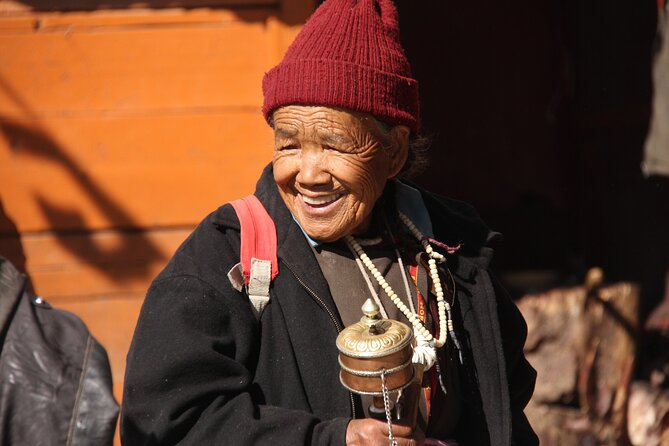
Kala Patthar is the point in this itinerary that most clearly signals: you are going for the full Everest-region perspective. The trip calls it an actual mountain climb during the overall experience, and the altitude listed matches that role.
If you’ve ever wondered why trekkers plan extra effort here, it’s because you’re chasing perspective at a level where the scale of the Himalaya is harder to ignore. When the trip says you can stand and gaze at Everest all you can, this is where that becomes real, not just poetic.
The conditions you should expect are also set by the overall description: cold, snow, mountain-side trails, and the kind of wind that makes you take layering seriously. Even if your body handles altitude well, cold can still feel like it slows you down.
This is a good moment to appreciate the structure of the trek: short sessions and rest breaks. Without those, Kala Patthar would feel like an endurance test only. With them, it turns into a high-reward hike where you can actually enjoy what you’re seeing.
Guesthouses and permits: the stuff that keeps your trip running
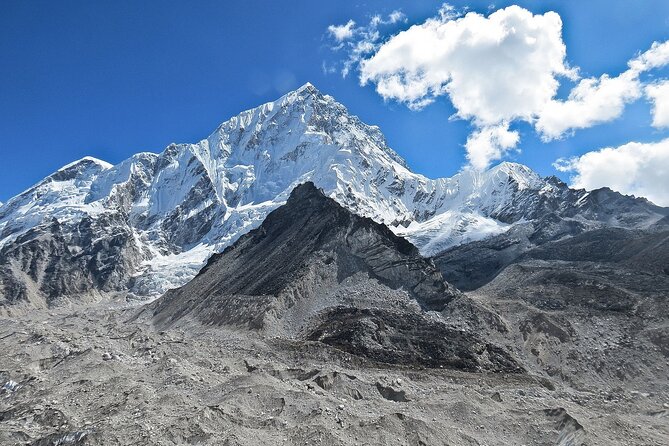
Your trek lodging is in guesthouses on a twin-sharing basis. That choice is common in the Everest region, but it still comes with a lesson for planning. Guesthouses are part of the local trekking economy, and quality can vary. The trip guarantees the structure: you get stays, you get support, and you get twin-sharing arrangements.
Meals beyond included breakfasts are not listed here. So, I suggest you budget for food during the trek unless you’ve confirmed what’s covered. Ask ahead of time and don’t guess.
On the administrative side, you get two big items included:
- Sagarmatha National Park entering permit
- TIMS card (Trekkers’ Information Management System)
I’m a big fan of when operators handle these essentials. It saves you stress at the start of the journey, and it keeps you from accidentally showing up without the paperwork you need.
Porters and local support: how one assignment can change your whole experience
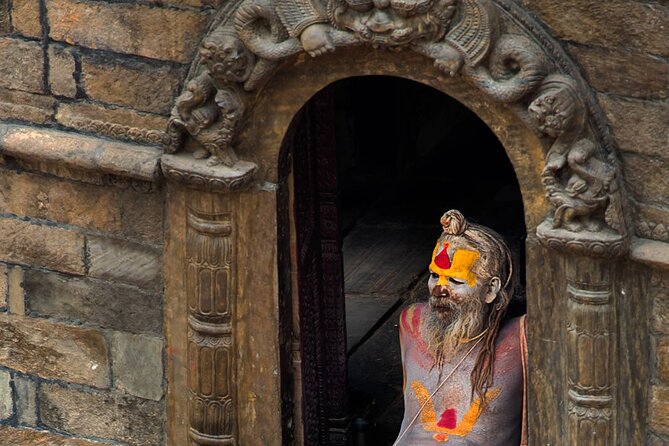
This trip includes porters and local support staff. The specific note is helpful: one porter each for each pair of travelers.
That single detail can change how the hike feels. Even if you pack smart, extra weight adds up at altitude. With porter support, your body has less to carry, which can make a bigger difference than people expect.
You also get guidance from a leader. Kumar is repeatedly named in the feedback, and that tells me the human element is part of the success. When people trust their guide, they tend to follow pacing advice better, ask questions sooner, and handle rough weather days with less drama.
If you have medical conditions, the trip also asks you to tell your guides and carry your own medicines. Guides are trained in basic medical intervention, and your insurance is designed to cover emergency rescue or evacuation. That combination, simple as it sounds, matters when you’re far from hospitals.
What you pay for, what you bring, and why $1,500 can be either fair or scary
The price is $1,500 per person for about 15 days. On the plus side, you’re getting:
- A three-star Kathmandu hotel for twin-sharing, plus breakfast
- Guesthouse stays during the trek on twin-sharing
- Porters and local support staff
- Sagarmatha National Park permit and TIMS card
On the minus side, you do not get:
- Travel insurance (required)
- International airfare to and from Kathmandu
- Nepal visa fees
- Trekking equipment
So is $1,500 good value? It can be, because the included items cover the expensive logistical friction points: lodging, core permits, and on-the-ground help. If you already have trekking gear and you can handle insurance and flights without surprises, this package looks like a fair way to buy peace of mind.
If you need to buy equipment last minute, or you’re still pricing insurance, the number can feel higher in practice. I’d treat the listed price as the base, then add what you must cover to make the trip actually work: airfare, visa, insurance, and gear.
Also, note you’re doing a private tour/activity, meaning only your group participates. That can be a big quality-of-life upgrade. Less waiting around. More pacing decisions tailored to your group.
Gear reality: trekking equipment is not included
“Trekking equipment” is listed as not included, so you should come ready. The trip description talks about snow, mountain-side trails, and cold conditions. That means you can’t show up with general sneakers and hope for the best.
At minimum, plan for:
- Cold-weather layers (so you can adjust as you warm up on climbs)
- Footwear made for uneven trails and possible snow
- Sun protection (high altitude plus glare is real)
- Your basic medical kit and any prescribed medicines
The operator also emphasizes that you must carry medicines if you need them, and you should consult your doctor beforehand. That’s a smart approach for a trek at elevation near the top of your comfort zone.
Fitness level and pacing: “moderate” still means you’ll work
The trip says it requires moderate physical fitness. It also says you climb mountains for most of the trip, with short sessions and rests.
So let’s interpret that in plain terms. You don’t need to be an elite hiker, but you should be ready for:
- Long walking days
- Altitude fatigue
- Cold and rough trail conditions
If your training is mostly city strolling, this will push you. If you’ve been doing regular hikes, stair climbing, or cardio with some hills, you’ll have a much easier time following the pacing your guide recommends.
Who this Everest Base Camp plus Kathmandu package fits best
This itinerary makes the most sense if you want:
- A guided, structured trek with porters and local support
- The full Everest-region experience: Base Camp plus a high viewpoint push to Kala Patthar
- A Kathmandu start that includes hotel comfort and valley sightseeing
It’s especially good for couples, small groups, and anyone who values organization. The way the team is described, with professional, smooth handling, is exactly what you want on a route where weather can rewrite your plans overnight.
If you love solo wandering with no plan at all, you might find the structure limiting. But for most people chasing Everest without chaos, it’s a strong fit.
Should you book this Everest Base Camp experience?
I’d book it if you want a guided trek where someone handles permits, logistics support, and the heavy-lifting support side through porters. I’d feel confident choosing it if you’re okay with the real risks and realities: weather delays for the Lukla flight, cold conditions, and altitude that tops out near 18,519 feet.
I would hesitate if:
- You cannot add buffer days around the trek for flight disruptions
- You refuse to buy travel insurance because it is mandatory for rescue and evacuation coverage
- You’re unprepared to bring your own trekking equipment
If you line up insurance, gear, and a little flexibility in your dates, this plan looks like a solid way to earn a front-row view of Everest while still enjoying the trail through Sherpa villages and real mountain life.
FAQ
What is the meeting point and start time?
The meeting point is Tribhuvan Airport in Kathmandu, Nepal, with a start time of 5:45 am.
How long is the trip?
The duration is listed as 15 days, approximately.
What is included in the price?
Included are a three-star hotel in Kathmandu on a twin-sharing basis with breakfast, guesthouse stays during the trek on a twin-sharing basis, porters and local support staff, and fees for Sagarmatha National Park and the TIMS card.
What is not included?
Not included are travel insurance, international airfare to and from Kathmandu, visa fees for Nepal, and trekking equipment.
What do I need for altitude and cold weather?
The trip description notes altitude from about 4,600 feet in Kathmandu up to about 18,519 feet at Kala Patthar. It also notes that the Everest region can be cold, arid, and unforgiving, with snow and high mountain trails.
Is travel insurance required?
Yes. Travel insurance is mandatory, and the information provided says you must have it before arriving because you cannot take it in Nepal.
What is the cancellation policy?
You can cancel for a full refund if you cancel at least 24 hours before the experience’s start time. Free cancellation is available up to that point. Changes within 24 hours are not accepted.
Latest Kathmandu write-ups
- Langtang Valley Trek★ 5.0 · 3 reviews
- Khopra Danda Trek★ 5.0 · 3 reviews
- Langtang Valley Trek from Kathmandu★ 5.0 · 3 reviews
- 5 night / 6 days Kathmandu Nagarkot Chitwan Pokhara tour★ 5.0 · 3 reviews
- Nepal Highlights Tour: 5 Nights 6 Days Kathmandu & Pokhara Tour★ 5.0 · 3 reviews
- Kathmandu Valley Private Day Tour★ 5.0 · 3 reviews
- Conquer the Himalayas: The Ultimate 16-Day Annapurna Circuit Trek★ 3.5 · 3 reviews
- Kathmandu Heritage Day Tour★ 5.0 · 3 reviews
Everest Base Camp Trek, compared.



Everest Base Camp Helicopter Tour landing at Everest View Hotel
Read our review →



Everest Base Camp Helicopter Tour landing at Hotel Everest View
Read our review →
Browse the lists this tour appears in