
Reviewed · EVEREST BASE CAMP TREK
Everest Base Camp With Chola Pass via Gokyo Lakes
Everest Base Camp plus Gokyo Lakes plus Cho La Pass is the kind of route that gives you two mountain styles in one trek: polished, postcard-perfect glacier lakes in Gokyo, then the hard Everest classics around Gorak Shep and Base Camp. I love the way the days are paced with proper altitude timing, and I also like that you get real structure on logistics, from private airport transfers to guide-led high-altitude decisions.
Two standout things I’m happy about for your trip: you spend real time above the villages for big viewpoints like Gokyo Ri and Kala Patthar, and you get to see Everest up close from more than one angle, not just one day. The main consideration is the Cho La Pass day, which includes a steep, icy, glacier-style traverse on the eastern side. That means you need a confident trekking mindset and solid cold-weather readiness.
Quick hits you should care about
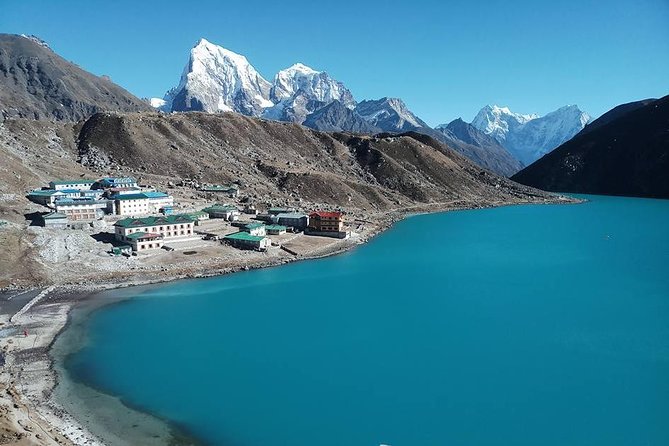
- Gokyo Lakes turquoise payoff with multiple lake stops and optional add-ons like the 5th lake and viewpoints
- Gokyo Ri views when weather cooperates, with big panoramic mountain lines
- Cho La Pass challenge on an icy, steep route that calls for careful footwork
- Everest Base Camp approach via rocky, thin-air walking, then a late-setting-sun option at Kala Patthar
- Private logistics that reduce stress, including Kathmandu transfers and domestic flights (Kathmandu to Lukla)
- Named real-world support in trekking teams, including people like Bishnu in past groups and team members such as Ram, Sandip, Kisser, and Suda
Kathmandu warm-up, not just a waiting room
Your trek starts with Kathmandu in a practical way. You meet a representative outside the international gate holding your name, then you’re transferred to a hotel. This matters more than it sounds, because after a flight, the last thing you need is figuring out transport.
Then you get cultural mornings that set the tone. I like that you go to Boudhanath, the valley’s largest stupa, and you also visit Pashupatinath, one of the most sacred Hindu shrines in the world. These are not random stops. They help you understand why so many people climb these mountains while also thinking about religion, compassion, and the role of mountains in local belief.
More ways to walk to Everest Base Camp:
- Everest Base Camp Trek – 14 Days
★ 5.0 · 1,499 reviews - Everest Base Camp Trek
★ 5.0 · 842 reviews - Everest Base Camp Helicopter Tour landing at Everest View Hotel
★ 5.0 · 668 reviews
Kathmandu sightseeing flow: Boudhanath and Pashupatinath
Boudhanath sits about 6 km east of downtown Kathmandu, and it’s known for its size and iconic stupa design. It’s also associated with the idea that builders used dew to mix mortar during a drought, which gives the place a grounded story instead of just a postcard look.
Pashupatinath is about 5 km east of the city center. It’s a pagoda-style complex connected to deep religious meaning. If you like temples for architecture and atmosphere, you’ll enjoy the contrast with the trek coming next.
One small heads-up: entrance fees for sightseeing are not included, so budget for those days even though some major spots may feel like they should be free.
Lukla flight and Phakding, your first real hiking day
The move from Kathmandu to the trekking zone happens via an early flight to Lukla. Then you start hiking toward Phakding, with a trail through Cheplung village and views of Mt. Khumbila, a sacred peak said to never have been summited.
Phakding is your first overnight. I like it because it gives you a chance to learn how teahouse life works at trekking altitude without jumping straight into the hardest days. Also, the group meets the rest of the crew in Lukla, so you get a clean handoff into the trek rhythm.
Physical note: you’re still adjusting to air and walking style. Take it easy those first hours, even if the scenery feels like it’s begging you to speed up.
Namche Bazaar acclimatization, done the right way
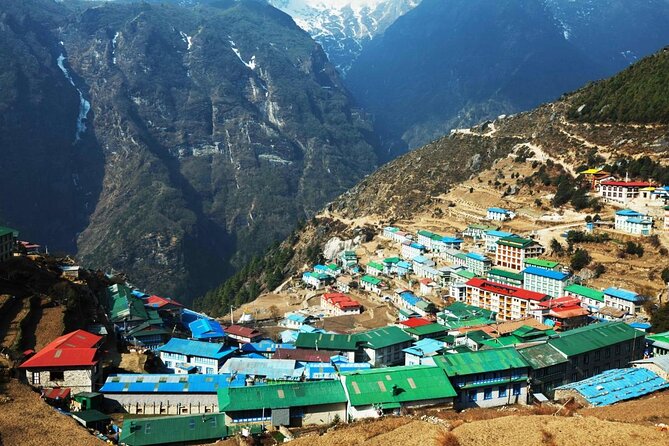
From Phakding you walk to Namche Bazaar through villages and river crossings, including the approach via the Everest National Park entrance area. Along the way, you cross suspension bridges and keep walking beside the Dudh Koshi and Bhote Koshi rivers, which is great because the trail feels less like a single long climb and more like a moving valley system.
Namche Bazaar is where the trek starts to teach you about altitude. You don’t just sleep high, you also move. There’s an acclimatization day where you explore Namche Bazaar and hike up near the Sagarmatha National Park area, plus you can watch a sunrise on the Himalayas if conditions cooperate.
Then there’s another day where you take a “shorter” hike option, like going to Khumjung village, so you can decide how your body feels. For value, this is important: an extra acclimatization walk often saves you from problems later, and it turns the trek into something you can manage.
More of the Gokyo lakes:
- Gokyo to Everest Base Camp Trek
★ 5.0 · 113 reviews - Everest Base Camp – Cho La Pass – Gokyo Trek
★ 5.0 · 65 reviews - Everest Gokyo Valley Trek – 12 days
★ 5.0 · 27 reviews - Landing Private Helicopter at Everest base camp & Gokyo for photo
★ 5.0 · 20 reviews
Phortse Thanga to Machhermo, the Khumbu farm-to-forest transition
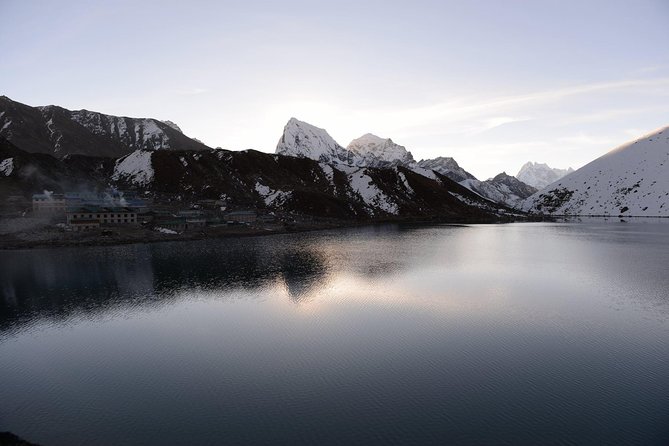
After Namche, you climb Khumjung hill and descend toward the Dudh Koshi, then head north. You’ll see a chorten at about 3,973 m and pass places tied to Khumbu Buddhist history, including Mohang, associated with the re-incarnated Lama of Rongbuk Monastery of Tibet.
Then the route shifts into steep switchbacks down sandy and stony slopes. This is one of those trekking days where the “work” feels constant, and you’ll want to keep your pace steady. Overnight is at Phortse Thanga.
Next day you push up again to Machhermo via rhododendron forest. You walk alongside the Dudh Koshi, passing through small villages like Tongba Village and Luza, with chortens and waterfall scenery that break up the effort. Machhermo is higher and sets you up well for the Gokyo valley approach.
Gokyo Lakes days: turquoise rewards and real altitude work
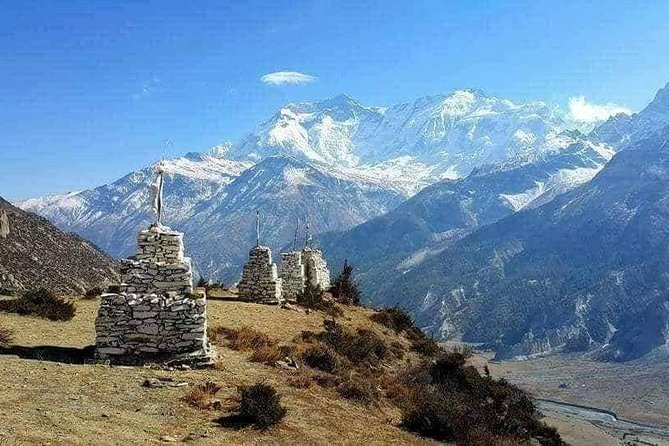
When you reach Gokyo, you finally get that signature turquoise lake focus. Day after day, the trail threads through moraine, glacier terrain edges, iron bridges over streams, and lake views that make you stop for photos you don’t even plan to take.
From Machhermo to Gokyo, the route includes climbing a ridge for views toward Cho Oyu (8,153 m) and down-valley panoramas. You also pass Phangkha, where an avalanche in 1995 tragically killed 40 people, which is a reminder that these mountains are powerful even when the trail looks ordinary.
You’ll walk past the first lake, Longpongo (4,690 m), then you get the mesmerizing second lake, Taboche Tsho, described as a shimmering turquoise blue sheet. After that comes the third lake area, with Gokyo village by the third lake and Cho Oyu as a backdrop.
I love this part of the trek because you get variety. This is not only “walk uphill, reach lodge, repeat.” You’re moving through a high-altitude water world, and the air makes everything feel crisp and sharp.
Optional viewpoint and 5th lake day from Gokyo
There’s an acclimatization day in the Gokyo valley with options. You can rest, hike to the 5th lake, or climb Gokyo Ri. I like having choices because it lets you match effort to how your body is handling altitude.
If you hike to the 5th lake (Ngozumba Tsho), you’ll get huge views of Cho-Oyu, Gyachung Kang, Everest, Lhotse, Nuptse, and Makalu. You also see the big glacier view in the same region, and from higher ground you can look back over the lake system.
Climbing to Gokyo Ri is described as demanding because it’s steep, but it’s also one of those days where a slow pace pays you back with clean mountain lines. When weather is good, sun rays hitting Everest can look unreal.
Thangnak and the Cho La Pass: where the trek turns serious
After Gokyo, you move to Thangnak. If you didn’t do Gokyo Ri the day before, this is another chance to do it. You then traverse near the Ngazumpa Glacier edge and move into Thangnak for rest. This day is shorter, so it helps you save energy for what comes next.
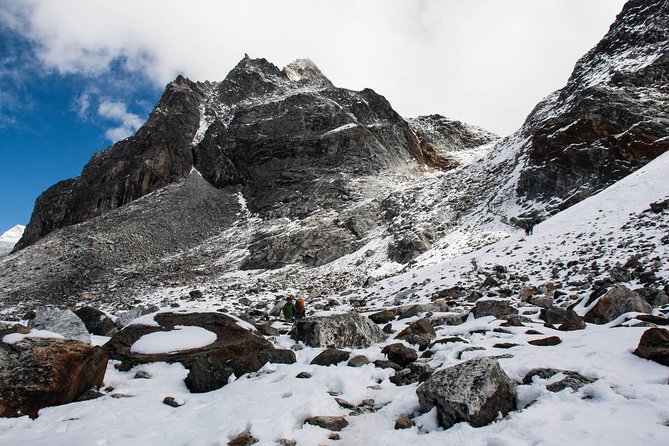
Then comes the Cho La Pass day. Here’s the key: the pass itself is not described as extremely technical, but the day includes a steep route plus a glacier traverse on the eastern side. The trail can get slippery because rocks are glazed by ice, so your footing matters. There’s also mention of passing crevasses before reaching Dzongla.
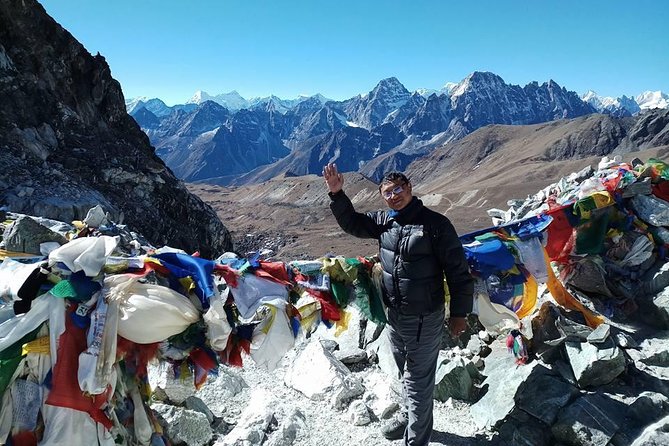
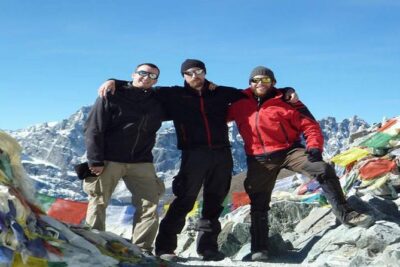
You start from Phedi, climb through a ravine and rocky terrain, and later reach the top decorated with prayer flags. Views line up with Ama Dablam in the south, Cholatse to the west, and peaks like Lobuche East and Baruntse nearby. It’s intense walking, and it can feel long even if you’re fit.
If you’re the type who rushes, don’t. This is a day for deliberate steps, careful breathing, and trusting your guide’s route choices.
Dzongla to Lobuche, short walking, big mountain focus
Dzongla to Lobuche is a shorter day on the schedule. You climb down, walk through a grassy trail, and enjoy views of Lobuche Peak before reaching Lobuche. The wide river bed path is part of the reason this day feels like a breather.
For me, these short “breathing” days matter because they let you recover mentally too. You’re preparing for Everest Base Camp and the Kala Patthar timing, which both depend on you being able to move comfortably in early cold conditions.
Gorak Shep to Everest Base Camp: thin air, gray dunes, bright tents
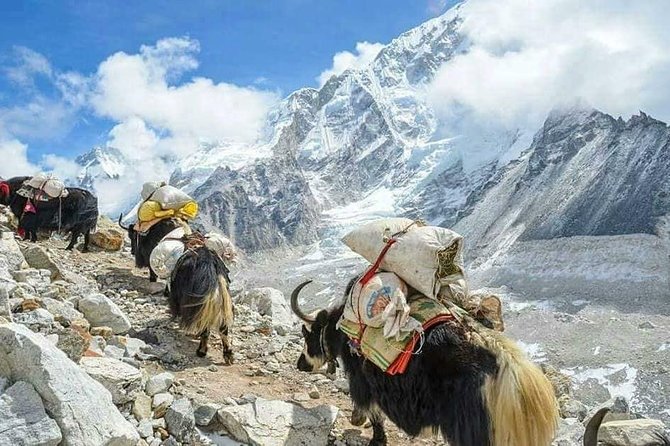
From Lobuche or nearby, you move toward Gorak Shep, and then continue to Everest Base Camp. The trail goes through rocky zones, dunes, moraine, and streams. It’s also described as strenuous due to thin air, so you should plan for slower steps than your legs expect.
You’ll pass Indian army mountaineers’ memorials. Then the path can be misleading, which is why following your lead Sherpa is critical. This is not the day to try to “speed navigate” on your own.
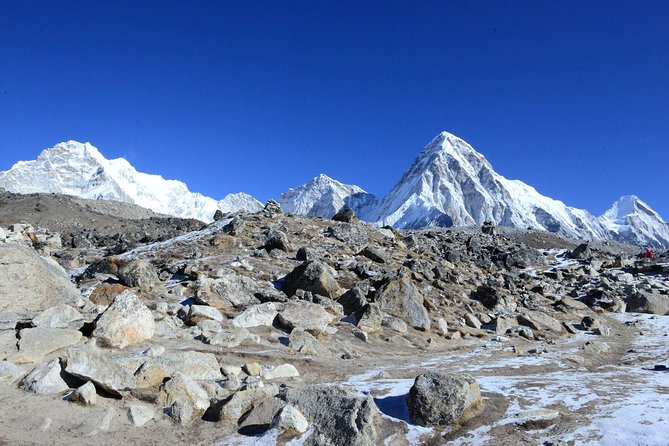
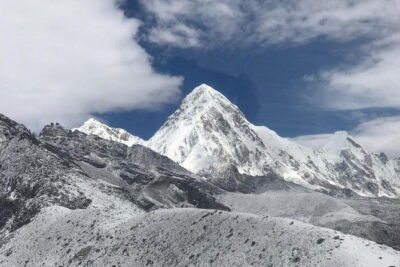
At Everest Base Camp you see mountaineer tents in bright colors against a gray backdrop. From this area, you can view Nuptse, Khumbuste, and Pumori. The feeling is hard to fake. Even when the camp looks temporary, the scale of the mountain system around you makes it feel permanent.
This is one of the best payoffs on the entire trip. You came for a single place, and you’ve earned the right to treat it seriously: slow down, look around, and soak it in without trying to sprint to the next photo.
Kala Patthar timing: the 360-degree view you plan around cold mornings
After Everest Base Camp, you return to Gorak Shep and focus on Kala Patthar timing. The trek notes early morning departure due to pre-dawn darkness and very cold temperatures around negative 10 to negative 14 C. Winds can also be common.
Why it matters: the view described here is a 360-degree up-close panorama of Mt. Everest. You take pictures, enjoy mountain views, and then descend toward Pheriche for a night at altitude-friendly trekking level.
Also, there’s a helpful planning point built in. If you want sunset photos and views from Kala Patthar, you should coordinate with your guide so the group can match the timing. If you’re flexible, sunset tends to give a very different and often more striking light.
I like this approach because it respects that weather and light drive mountain photography.
Descent to Namche and Lukla: save your knees, keep your eyes up
After Kala Patthar and the descent toward Pheriche, you trek to Namche Bazaar through rhododendron and juniper zones, then descend rapidly through pine forests via the Dudh Koshi gorge. There are spots where you might see colorful pheasants and mountain goats, and the prayer-flag festooned bridge adds that returning-to-life feeling.
Finally, Namche to Lukla is described as a steep descent with careful footing. You cross suspension bridges over fast-flowing Dudh Koshi tributaries, then the trail levels out. When you reach Lukla, it’s time to stretch your legs and accept that your body is done, at least for today.
Returning to Kathmandu: decompress and don’t gamble on flights
After the trek, you fly back to Kathmandu early. You’re transferred to your hotel, and you spend a final day that includes an arranged cultural dinner option in Kathmandu.
One practical note is given with real-world wisdom: the Kathmandu to Lukla to Kathmandu flight often gets delayed or canceled due to bad weather. The tour recommendation is to have 2 to 3 extra days at the end of your trip to protect your international flight timing. That’s not fear-mongering. It’s simply how this part of the world works, and it’s how you prevent a trip-ending headache.
Price and value: what you’re paying for in real terms
At $1,797 per person for an 18-day itinerary, you should look at what’s included rather than just the total number.
What you’re getting:
- Domestic flights between Kathmandu and Lukla, round trip
- Teahouse accommodation during the trek with breakfast, lunch, and dinner
- A 3-star hotel in Kathmandu with breakfast
- A government-licensed, English-speaking trekking guide plus a porter service setup (2 trekkers to 1 porter)
- Permits and paperwork like TIMS and National Park Permit, plus local taxes
- Private vehicle transfers in Kathmandu and airport runs
- A medical kit carried by your trek leader
What’s not included:
- Nepalese visa fee
- Travel and rescue insurance
- Tips for guide, porter, and driver
- Drinks and all sorts of beverage
- Lunch and evening meals in Kathmandu
So is it good value? For many people, yes, because you’re paying for the heavy pieces: permits, flights, guide labor, porters, meals on-trail, and the Nepal logistics that can eat days if you handle them yourself. If you already planned your own flights and guides, the cost comparison changes. But if you want a guided, structured trek with permits taken care of, this price lines up with what you’d spend in time and stress.
Who this trek suits best, and who should reconsider
This experience is a strong fit if you:
- Have moderate physical fitness and can handle long days at altitude
- Want one of the more visually rewarding routes because Gokyo Lakes is a main feature
- Like the idea of viewpoints with names like Gokyo Ri and Kala Patthar, not just base camp walking
You should reconsider if you:
- Fear cold, pre-dawn starts around negative temperatures
- Get uneasy on icy, steep terrain like the Cho La Pass day
- Don’t want to manage realistic flight risk when returning through Lukla
Should you book Everest Base Camp with Chola Pass via Gokyo Lakes?
I’d book it if your priority is depth, not just checkmarks. You get multiple vantage points, a meaningful Gokyo valley section, and then a classic Everest finale that includes Kala Patthar planning. The combination of structured logistics, guide-led safety, and teahouse meals also makes it easier to focus on walking and views.
But book with clear eyes. The Cho La Pass day is the main stress test, and cold mornings around Kala Patthar are not optional in the way you might hope. If you go in prepared and pace yourself, this is the kind of trek that keeps paying you back even after you’re back home.
FAQ
What is included during the trek, besides lodging?
Teahouse accommodation is included during the trek, along with breakfast, lunch, and dinner. You also get an experienced, English-speaking, government-licensed trekking guide, porter service (2 trekkers: 1 porter), and a medical kit carried by your trek leader.
Are flights included?
Yes. Domestic flights are included for Kathmandu to Lukla and back to Kathmandu.
What permits do I need, and are they included?
The tour includes the necessary paperwork and trekking permits, including the National Park Permit and TIMS.
How are you handled in Kathmandu before the trek?
You get airport pickup and drop in a private vehicle. You also get Kathmandu valley sightseeing by private vehicle, plus a 3-star hotel with breakfast.
What meals are included in Kathmandu?
Breakfast is included. Lunch and evening meals in Kathmandu are not included.
Where does the trek start time-wise?
The meeting point start time is listed as 5:30 am.
Latest Kathmandu write-ups
- Langtang Valley Trek★ 5.0 · 3 reviews
- Khopra Danda Trek★ 5.0 · 3 reviews
- Langtang Valley Trek from Kathmandu★ 5.0 · 3 reviews
- 5 night / 6 days Kathmandu Nagarkot Chitwan Pokhara tour★ 5.0 · 3 reviews
- Nepal Highlights Tour: 5 Nights 6 Days Kathmandu & Pokhara Tour★ 5.0 · 3 reviews
- Kathmandu Valley Private Day Tour★ 5.0 · 3 reviews
- Conquer the Himalayas: The Ultimate 16-Day Annapurna Circuit Trek★ 3.5 · 3 reviews
- Kathmandu Heritage Day Tour★ 5.0 · 3 reviews
Everest Base Camp Trek, compared.

Everest Base Camp Helicopter Tour landing at Everest View Hotel
Read our review →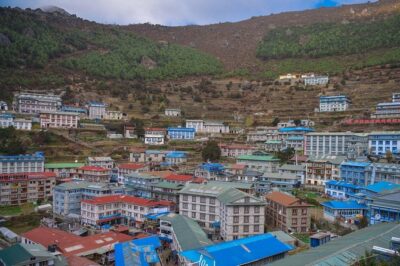
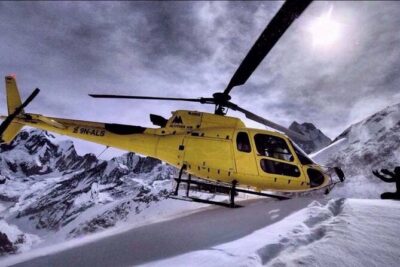
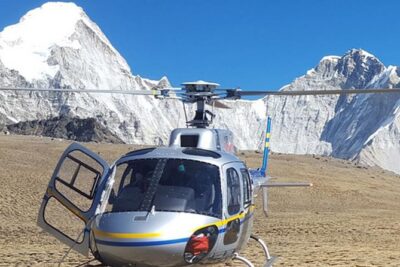
Everest Base Camp Helicopter Tour landing at Hotel Everest View
Read our review →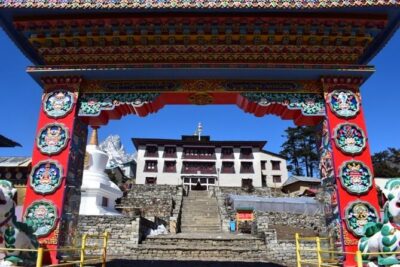
Browse the lists this tour appears in