
Reviewed · EVEREST BASE CAMP TREK
Everest Base Camp with Island Peak
Everest Base Camp with Island Peak is interesting because it turns a classic high-altitude trek into a two-part adventure, trekking to the Everest region first, then switching gears for a real climbing objective on Island Peak. I love that the trip is built around Sherpa culture and a clear team approach, not just moving from one viewpoint to the next. I also like that you get a strong support setup on the ground, including a dedicated guide network, so you are not handling logistics by yourself.
The best part is the mix of big mountain travel with hands-on help when the climbing starts. A possible drawback to weigh: this is not a casual trek, and the tour data calls for strong physical fitness, plus Island Peak has real conditions where you will need to follow instruction and pacing closely.
Key takeaways at a glance
- Sherpa-led culture focus alongside serious altitude goals in the Khumbu region
- Private trip feel with pickup and drop-off by car or van, plus private surface transfers
- Climbing support for Island Peak, including a climbing guide and general equipment like rope and ice screws
- Porter system included, listed as 2 guest to 1 porter, with their food, lodging, salary, and insurance covered
- Hot shower limits during the trek, with exceptions named for Lukla, Phakding, and Namche
- English communication and responsive help, highlighted by guide support in the reviews
Everest Base Camp and Island Peak: how this combo works
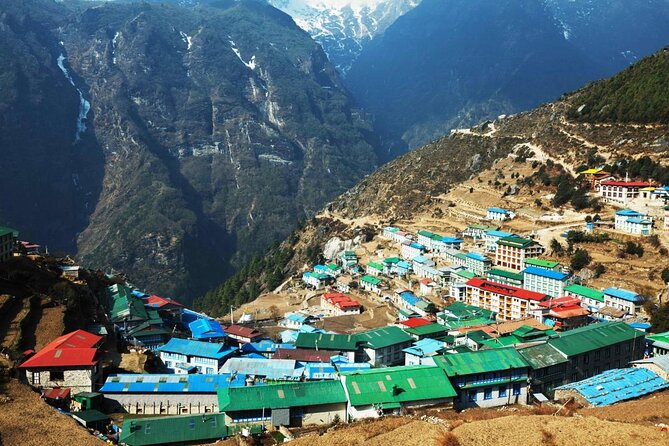
If you want Everest, you probably think first about the trek to Base Camp. What makes this version stand out is that it does not stop there. You are also aiming for Island Peak, which means you will spend part of the journey learning how to move efficiently on colder, steeper ground, and then applying that on climb days.
That is a smart pairing for the right person. The Base Camp side gives you time in the Khumbu for acclimatization and slow-building altitude exposure. The Island Peak side gives you the moment most people actually picture when they think about a climb: a fixed route, a summit goal, and technical elements where good guidance matters.
More ways to walk to Everest Base Camp:
- Everest Base Camp Trek – 14 Days
★ 5.0 · 1,499 reviews - Everest Base Camp Trek
★ 5.0 · 842 reviews - Everest Base Camp Helicopter Tour landing at Everest View Hotel
★ 5.0 · 668 reviews
What you will be chasing, day to day
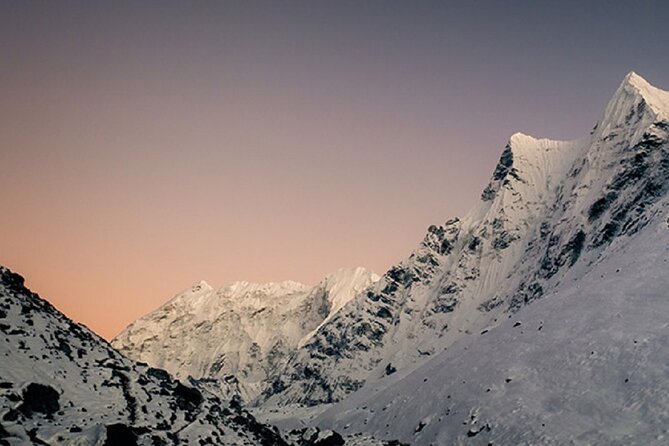
The trip description leans hard into the reality of the region: snowy ridges and large areas of ice as you work your way higher. That matters because it is not just about “seeing Everest,” it is about being physically ready for wintery conditions, even if the calendar month shifts what you feel most.
You should expect the pace to feel demanding. Guesthouses and basic trekking life are part of the deal, then you shift into climbing mode where the day structure usually tightens and weather windows matter more.
Kathmandu start: pickup, support, and who you are really traveling with
Your trip begins in Kathmandu at Tribhuvan International Airport. The package includes pickup and drop-off by car or van according to the program, plus surface transfer by private car. That sounds small, but it helps on day one. You land, you get picked up, and you can focus on paperwork, gear checks, and sleep.
The team support is one of the most praised parts of the experience. In the reviews, I saw names like Hari Daju, Himal, Ongchu Sherpa, and Samden tied to responsive help and hands-on arrangement. Another review highlights Shiva as an especially friendly, insightful guide. Even if your group ends up with a different exact mix, it tells you what the operator tries to deliver: clear communication, quick answers, and real humans managing the details.
WhatsApp responsiveness is not a gimmick here
One review specifically notes that Hari Daju was available via WhatsApp before and during the trip for questions. On a trek like this, the questions tend to be practical, not philosophical. Think clothing layers, what to carry versus leave, how to interpret discomfort, and what your team is planning next. If your communication is smooth in English, you waste less energy worrying.
More trekking peaks with guided ascents:
- Mera Peak Climbing
★ 5.0 · 33 reviews - Island Peak Adventure
★ 5.0 · 15 reviews - Everest Base Camp Trek with Island Peak Climbing
★ 5.0 · 14 reviews - Mera Peak Climbing
★ 5.0 · 8 reviews
The guide and climbing guide roles
The included list names:
- 1 highly experienced, helpful and friendly guide for the overall trek
- A climbing guide for Island Peak including their food, accommodation, salary, insurance
That separation matters. Trek leading is about altitude pacing, route sense, and day-by-day decisions. Climbing leading is about safe movement on steeper and colder terrain. You get both, which is what you want for a climb layered onto a trek.
Trek rhythm toward Everest Base Camp, guesthouses, and the reality check on comfort
The trip includes twin sharing accommodation at guest houses during the trek. Meals are part of the package: breakfast, lunch, and dinner are included according to the accommodation plan, and there is also mention of seasonal fruits during the trek.
So what does that mean for how you feel each day? You get enough structure that you can keep moving without negotiating every meal. But you should not expect hotel-style comfort. Guesthouses in the Khumbu are simple by design. The trade is proximity to the route, warmth where available, and a reliable setup so your energy goes into walking and recovery.
Hot shower expectations, and why it matters
The info says hot shower is not available during the trek except at Lukla, Phakding and Namche. That is one of those details that seems minor until you are tired and sweaty for days. Plan for sponge-bath style hygiene most days, and treat the named exceptions as nice breaks rather than guarantees.
Porters: included, and worth understanding
Porters are required for the trip and included. The ratio listed is 2 guest: 1 porter, and their food, accommodation, salary, equipment, and insurance are covered in the package.
This is valuable because your pack weight can make altitude feel harder. Carrying less can improve your daily pace and reduce fatigue, which matters before the climbing portion. Still, you should pack smart. Even with porter support, the goal is to carry what you truly need and let your team manage the rest.
Island Peak climb: equipment support and how to set yourself up for safety
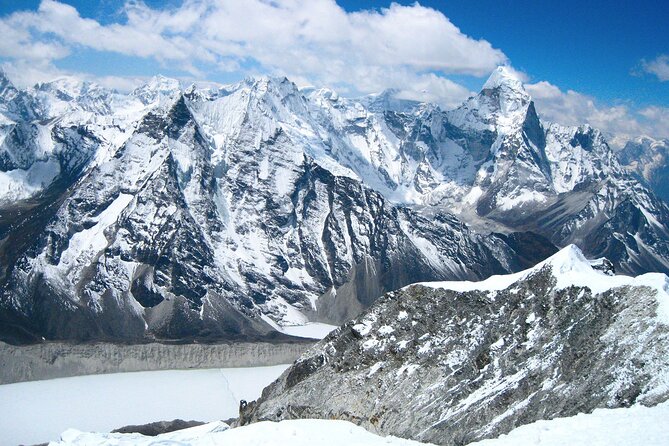
Island Peak is where the trip switches from trekking legs to climbing focus. The package includes permits for Island Peak and also lists general climbing equipment such as rope, ice screw, and snow bar.
It also includes training in a practical sense, because you will have a climbing guide. But the key point is this: the operator is not handing you a summit fantasy and wishing you luck. You get a dedicated climbing guide, plus the listed equipment, which helps standardize how the climb day runs.
Gear that the trip provides, and what you still might need
The included list mentions:
- Duffle bag
- Down jacket
- Sleeping bag during the trek
And the equipment list says you should bring a 4 seasons sleeping bag for trekking equipment.
That contradiction is worth sorting out early. It is possible the operator provides specific items and still expects you to bring a compatible sleeping bag, or they might provide one option and want you to confirm what you personally need. Before you go, message them and ask what you will actually receive in your hands. I would rather you confirm twice than be surprised in Kathmandu.
Your fitness matters more than your enthusiasm
The tour data is clear: travelers should have a strong physical fitness level. That is not a marketing line. Island Peak is not something you can push through while being underprepared. You need the ability to keep moving steadily in cold conditions, follow pace instructions, and handle altitude stress.
The best way to use this information is to train before you arrive and set realistic expectations. If you do that, you will feel less like you are fighting your body and more like you are following a plan.
Food, pacing, and the small rules that shape your day
You are getting lunch and dinner included, plus breakfast, during the guesthouse trek days. There is also mention of seasonal fruits, which is a nice quality-of-life add because fruits can feel scarce at altitude and energy needs go up.
The package does not include:
- alcoholic drinks
- hot water
- hot shower, cold drinks
- laundry
- phone calls and internet
- items of personal nature
That list gives you a clue about the daily rhythm. You are essentially buying convenience and structure, not buying luxury. You should budget extra for personal needs, and you should plan water habits carefully, since hot water is not included.
The treadmill test: how to pack for real cold
Even though the package includes down jacket and sleeping bag mention, you still need personal layers and comfort items. The big value in a guided trek is that your team reduces uncertainty, but you still control what you wear each day. Bring layers you can adjust fast. Cold plus exertion can make you feel miserable if you dress too warm or too light.
If you are unsure about clothing, use the guide communication style highlighted in the reviews. If Hari Daju-type responsiveness is part of their standard, ask before you waste money on random gear.
Price and value: what $3,190 covers, and what it does not
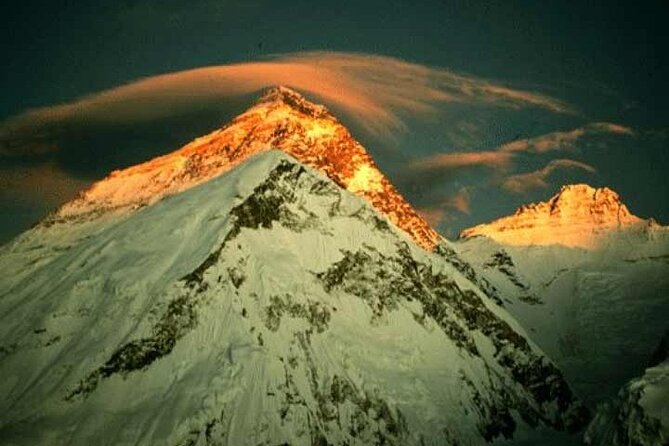
At $3,190 per person for about 17 days, you are paying for a full package built around logistics at altitude and a climbing objective layered onto the trek.
Here is what stands out as value:
- Private group experience, meaning only your group participates
- Pickup and drop-off by car or van, plus private surface transfer
- Twin sharing guesthouse accommodation during the trek
- Meals included (breakfast, lunch, dinner, with seasonal fruits)
- Guide support and a climbing guide for Island Peak
- Permits coverage, including TIMS and Sagarmatha NP and Island Peak climbing fees listed
- Porter coverage, including their food, accommodation, salary, equipment, and insurance
- Climbing equipment listed like rope, ice screw, and snow bar
- Basic safety support, including a comprehensive first aid medical kit
What is not included is also important:
- Travel insurance
- Tips and gratuities for trekking staff and drivers
- Items of personal nature
- Alcohol and several comfort add-ons like laundry and phone and internet
One odd item to double-check: the permits list includes permits of Annapurna Conservation and TIMS. This trek is in the Everest region and also lists Sagarmatha National Park and Island Peak permits. Ask for a clear breakdown of exactly which permits you are paying for and what is correct for your route. This is not about mistrust, it is about making sure the paperwork matches your itinerary.
Is it worth it?
For the right person, yes. You are paying for less independent decision-making and more guided execution. If you want a system where guides handle route and climb logistics, where porters reduce pack load, and where permit and equipment details are taken care of, the price can make sense compared with building it yourself and coordinating permits, guides, porters, and climbing gear.
If you already have strong climbing experience, local connections, and you enjoy self-managed travel, you may find cheaper options. But if you want support that feels organized and communicative, the included structure is what you are paying for.
Weather, altitude, and how flexible you should be
High-altitude travel is weather dependent. The info says the experience requires good weather, and if it is canceled due to poor weather, you will be offered a different date or a full refund.
That flexibility is a practical advantage. On Everest-region schedules, weather windows can shift when conditions allow safer trekking and climbing. In the real world, even well-trained teams can get delayed by clouds, wind, or ice conditions.
Altitude itself is the other factor. The trip data does not give altitude numbers, but it does require strong physical fitness. Follow your guide’s pacing and acclimatization approach. If your team includes patient Sherpa support, use it. Going too fast early is how you sabotage the later days.
Should you book this Everest Base Camp with Island Peak trek?
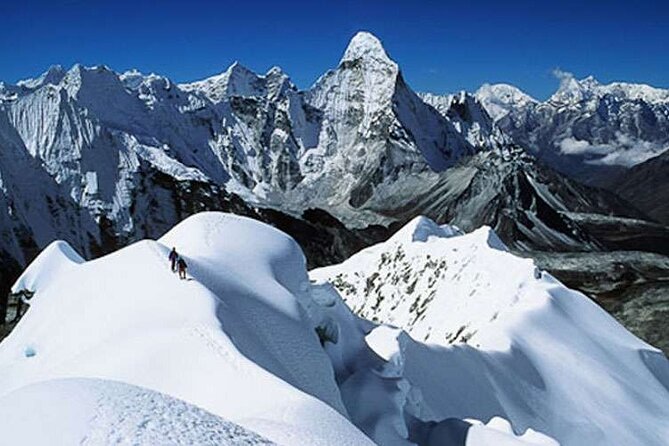
Book it if you:
- want the classic Everest-region trek plus a real climbing objective
- like having a professional guide and climbing guide instead of guessing your way through
- value strong communication and practical assistance, like the WhatsApp support described in the reviews
- are willing to accept basic guesthouse living and limited hot shower availability
Skip it or at least pause if you:
- are not confident in your physical fitness for a climb-level trip
- need frequent comfort upgrades like hot showers and laundry included
- dislike uncertainty, because weather and conditions can affect timing and possibly the schedule
My best advice for decision-making: confirm what you will personally carry, especially around the sleeping bag situation. Then, ask which guide will be with you and how communication works during the trek. If you like a team approach, this package is built around that mindset.
FAQ
FAQ
How long is the Everest Base Camp with Island Peak experience?
It is listed as 17 days approximately.
Where does the trip start and end?
The experience starts in Kathmandu, Nepal, and it ends back at the meeting point.
Is pickup and drop-off included?
Yes. Pickup and drop-off by car or van is included as per the program, and there is surface transfer by private car.
What kind of accommodation and meals are included during the trek?
You get twin sharing accommodation at guest houses during the trek. Breakfast, lunch, and dinner are included, along with seasonal fruits during the trek.
Are permits and climbing fees included?
The included list states that permits and fees are covered, including TIMS and Sagarmatha NP, plus Island Peak climbing permit fees and related permits.
Is travel insurance included?
No. Travel insurance is not included in the package.
Latest Kathmandu write-ups
- Langtang Valley Trek★ 5.0 · 3 reviews
- Khopra Danda Trek★ 5.0 · 3 reviews
- Langtang Valley Trek from Kathmandu★ 5.0 · 3 reviews
- 5 night / 6 days Kathmandu Nagarkot Chitwan Pokhara tour★ 5.0 · 3 reviews
- Nepal Highlights Tour: 5 Nights 6 Days Kathmandu & Pokhara Tour★ 5.0 · 3 reviews
- Kathmandu Valley Private Day Tour★ 5.0 · 3 reviews
- Conquer the Himalayas: The Ultimate 16-Day Annapurna Circuit Trek★ 3.5 · 3 reviews
- Kathmandu Heritage Day Tour★ 5.0 · 3 reviews
Everest Base Camp Trek, compared.

Everest Base Camp Helicopter Tour landing at Everest View Hotel
Read our review →
Everest Base Camp Helicopter Tour landing at Hotel Everest View
Read our review →
Browse the lists this tour appears in