
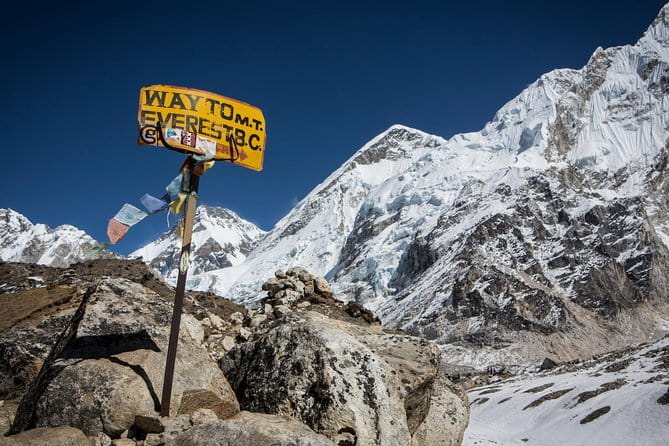
Reviewed · EVEREST BASE CAMP TREK
Everest Base Camp Trek with Island Peak Climbing
Everest Base Camp is the big headline, but adding Island Peak turns this into a real action-packed Himalaya trip, trek up first and climb after. I like the small-group size (max 15) because you stay flexible with your pace and you actually get time with your guide.
I also like that this is built as a true support package, with permits, domestic flights, and key trekking and climbing gear included. In past groups, the Island Peak summit guide has been named Pemba Sherpa, and that climbing Sherpa leadership matters when you are mixing altitude with crampons and rope work.
The drawback is just physics and effort. This is a high-altitude program that asks for strong fitness, and even with a plan, the mountain can change timing for the Island Peak summit attempt.
Quick hits before you go
- Small group pace (up to 15) helps keep the trek feeling personal, not assembly-line.
- Acclimatization built in with full days in Namche Bazaar and Dingboche, not just a token rest stop.
- Everest Base Camp plus Kala Patthar gives you both the “arrive at Base Camp” moment and the best panorama push.
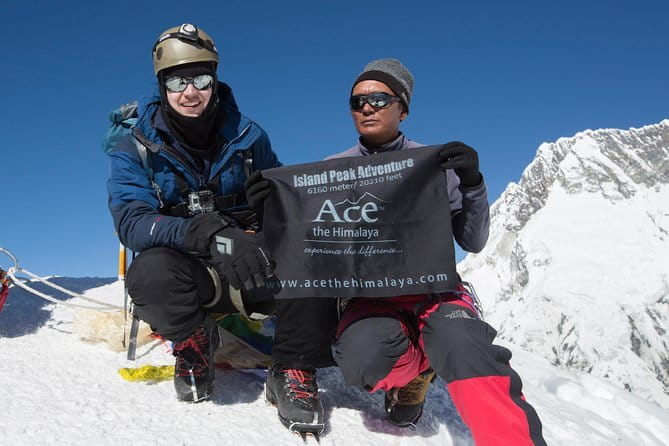
- Island Peak includes training and gear, plus a dedicated climbing Sherpa to lead the summit effort.
- A spare weather day is planned, so you are not left totally stuck if conditions wobble.
- Practical water and comfort touches, including a Katadyn Pocket Water Filter and filtered water on the trail.
Why Everest plus Island Peak feels like two trips in one
This combo works because you get two different kinds of satisfaction. The Everest Base Camp portion is about steady trekking, glacier scenery, and earning access to the closest point most people ever reach without technical mountaineering gear. Then Island Peak switches the gears. You move from hiking rhythm to climbing rhythm, with crampons, rope systems, and a summit push that rewards confidence and stamina.
You also get variety in the landscapes and in the “jobs” your body does each day. One day you are managing steep trails with suspension bridges and stone memorials. Another day you are working your breathing on sharper altitude terrain. That variation is not just fun, it can help you avoid the mental numbness that sometimes comes from doing only one kind of effort the whole trip.
Finally, the structure matters. Dedicated acclimatization days keep you from simply chasing altitude as fast as possible. And the trek-to-climb transition is supported, not left to guesswork.
More ways to walk to Everest Base Camp:
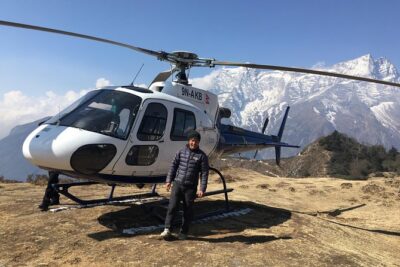
- Everest Base Camp Helicopter Tour landing at Everest View Hotel
★ 5.0 · 668 reviews - Gokyo to Everest Base Camp Trek
★ 5.0 · 113 reviews - Everest Base Camp Trek
★ 5.0 · 97 reviews
Kathmandu warm-up, what matters on day one
You start in Kathmandu with an airport representative meeting you at Tribhuvan International Airport and transferring you to your hotel in a private tourist vehicle. If you land after 4 pm, you get a briefing the same day as your pre-trip meeting, so you can ask questions and meet your trek leader. If you arrive earlier, the meeting happens at the office on that day.
Before you head for the mountains, you also get a Kathmandu sightseeing tour. This is a smart add-on because it gives you a normal city day to orient yourself, handle any last-minute needs, and adjust to Nepal time without feeling like you are rushing straight into the thin air.
What I recommend you do during the pre-trip meeting is simple: ask how the plan changes if the weather shifts, and confirm the exact expectations for your Island Peak summit day. You are going to be tired and excited, and clarity now helps later.
And yes, bringing your passport is non-negotiable for permits and documents.
Lukla to Phakding, the first altitude reality check
Your trek starts with a 35-minute scenic flight from Kathmandu to Lukla, landing at Lukla’s Tenzing and Hillary Airport (2,804 m). This flight is a big part of the experience. It frames the whole Khumbu region quickly, and it sets your expectations for what comes next: narrow trails, steep steps, and lots of careful foot placement.
From Lukla you walk toward Phakding (2,610 m). The first day is mostly about getting your legs working and letting your body understand the altitude. You descend toward the Dudh Kosi River, then rejoin the main trail toward Namche Bazaar, passing villages like Ghat along the way.
A key detail here is how the trail feels. This early walking is described as easy, which is exactly what you want on Day 2. You are building rhythm, not testing yourself to the limit. You also get time to explore the Lukla village area while the Sherpa crew loads and sorts trekking equipment.
If you tend to go out too fast when you feel good, this is where you practice restraint. Save the energy, you will need it later on tougher climb days.
Namche Bazaar acclimatization, where “views” come with a purpose
Namche Bazaar is the Gateway to Everest, and it is also your first real acclimatization test. The trek follows the Dudh Kosi River, crossing suspension bridges covered with prayer flags. That is a classic Khumbu visual, but the bigger point is that the bridges and repeated river crossings keep you moving steadily while you adjust to higher altitude.
Then you climb into Namche (2,713 m and up to Namche itself). Namche is the biggest stop on the Everest trail, with restaurants, lodges, shops, money exchange services, and internet cafes. It is not luxury, but it is functional, and that matters when you want a solid base for the next days.
You also get a full acclimatization day in Namche. This is not “just a rest day.” You take a hike to Syangboche Airport and the Everest View Hotel, which sits at one of the highest-placed hotel areas in the world (as presented by the route). You also visit a museum focused on Sherpa culture and traditions.
I like that this day gives you two things at once: altitude adjustment and cultural context. You are still working, but it feels meaningful rather than pointless. If weather is clear, this is also where the Everest-view payoff can show up early, which boosts morale for the harder days ahead.
More trekking peaks with guided ascents:
- Mera Peak Climbing
★ 5.0 · 33 reviews - Island Peak Adventure
★ 5.0 · 15 reviews - 16 Days Island Peak Climbing With Everest Base Camp Private Trip
★ 5.0 · 3 reviews - Island Peak Climbing | Summit 6,189m with Expert Guides
★ 5.0 · 3 reviews
Tengboche and Dingboche, monastery calm with steep breathing
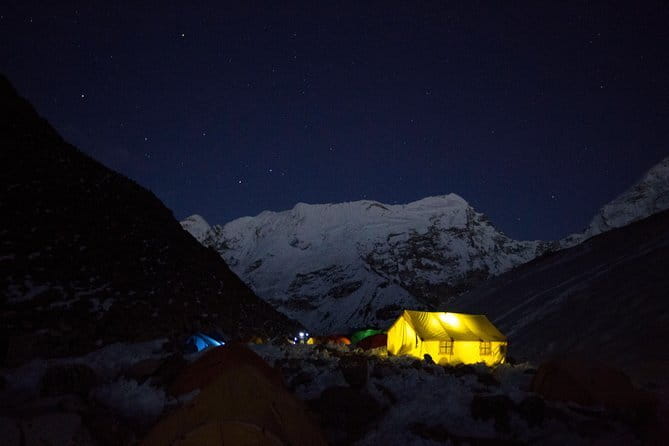
After Namche, the trail continues along the glacial waters of the Dudh Kosi, with mountain views that keep you looking up. You reach Tengboche (3,860 m) and the Tengboche Gompa. This is where you get that sacred Himalaya vibe, with ornate monastery details, Lamas’ robes, and often a prayer ceremony either in the morning or evening depending on how the trek goes.
From Tengboche you move toward Dingboche, passing through places like Debuche and Pangboche and walking past thousands of mani stones. Dingboche is where you slow down again. The route makes a point of avoiding unnecessary altitude punishment by taking time and planning.
There is a second acclimatization day in Dingboche, with no progress toward Everest Base Camp on that day. Instead, you hike to Nangkartshang peak, a viewpoint just above Dingboche, with Ama Dablam as the headline view when conditions are clear. The afternoon is yours to rest or stroll around the village.
Practical tip: on acclimatization days, keep your effort controlled. You can feel strong at altitude, but you are not trying to “win” the day. You are trying to arrive better prepared for the Glacier and summit work later.
Lobuche to Everest Base Camp, glacier time and a crowd reality
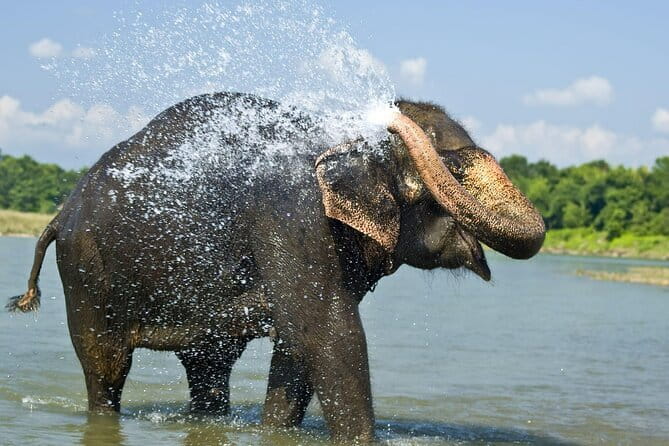
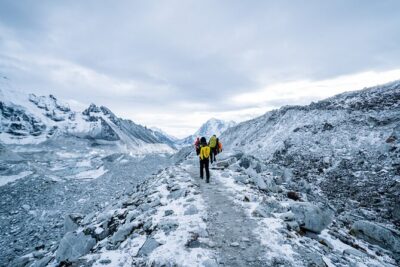
Next comes Lobuche, and the route shifts toward the lateral moraine of the Khumbu Glacier. You also pass stone memorials for climbers who have perished on nearby summits. This is sobering, but it is also part of the Everest journey’s honest tone.
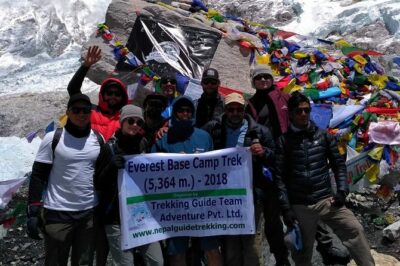
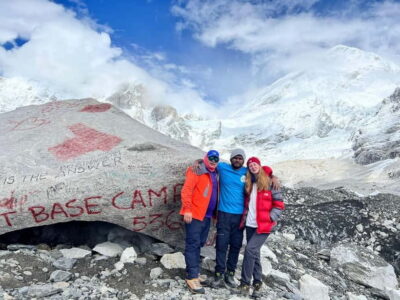
The Everest Base Camp day is a major effort: walking along the Khumbu Glacier up to Everest Base Camp at 5,365 m. You are heading up at high altitude, and you will feel it. In spring, there can be expedition teams around, so Base Camp can be busy, with more activity than you might expect from a “quiet trek” fantasy.
Then you head back to Gorak Shep for the night. This back-and-forth is important because the next day is even harder.
Kala Patthar to Chukhung, the panorama day that tests you
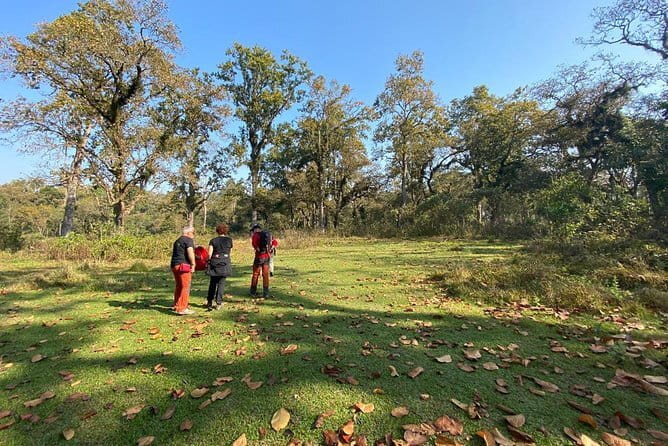
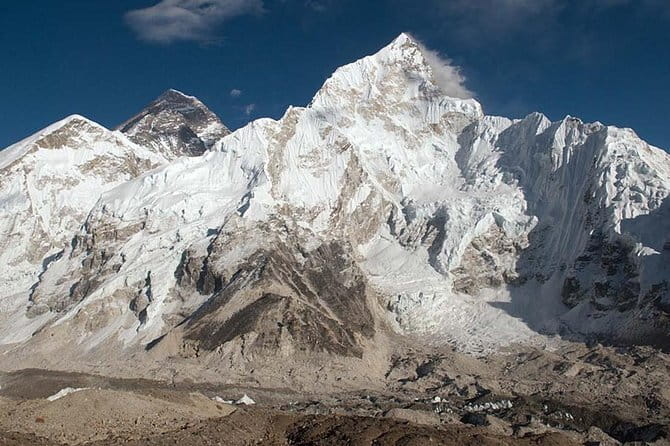
The Kala Patthar day is described as one of the most difficult but rewarding days. You climb Kala Patthar, a peak at 5,555 m, mostly in the morning. This is where the views can be spectacular: Everest in front, and major peaks like Nuptse, Pumori, Chagatse, and Lhotse around you.
After the viewpoint time, you descend to Gorak Shep for hot breakfast, then continue trekking down to Pheriche. From Pheriche you go toward Chukhung via Dingboche, then ascend into the Chukhung valley.
This sequence matters because it puts you higher again before Island Peak. You are not only chasing viewpoints, you are conditioning your body for the Island Peak approach.
If you need a mindset shift: treat the Kala Patthar day as a “quality day.” You might be tired, but you want to manage effort so you can actually enjoy the summit view when it arrives.
Island Peak training and summit plan, what you should expect
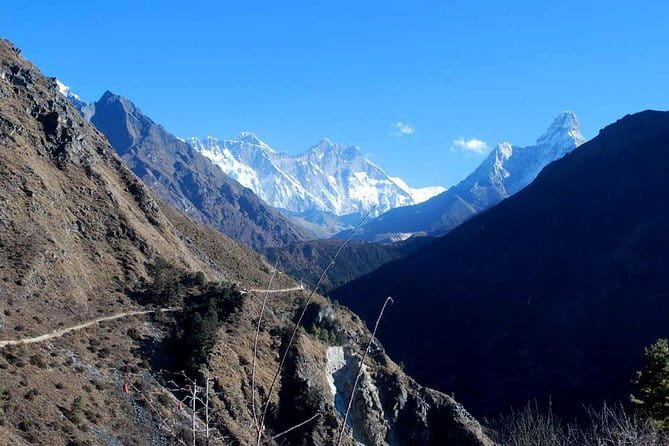
Island Peak sits on a different level than Base Camp trekking. It is not “just a hill,” and the route gives you a buffer by allowing two days for the Island Peak climb in case of bad weather. The climbing Sherpa leader decides the exact strategy based on your group’s acclimatization, weather, and snow conditions.
Before the summit day, you receive ice climbing training and practice with climbing gear such as ropes, ice pick, harness, crampons, and related equipment. Even if you have climbed before, this matters because you are at altitude and the terrain is not forgiving.
Then the final climb starts very early. It can take around 4 to 6 hours to reach the summit depending on conditions. The route notes that it is not technically the hardest climb, but it still includes crevassed snow slopes and a reasonably steep headwall. A head for heights and stamina are useful because you are working under stress and cold.
This is also where your group support shows. You are not doing it alone. The route includes a climbing Sherpa to guide you, and the presence of rope and technique training reduces the chance of improvising when the air gets thin.
The spare weather day and your return to Lukla
Mountains are moody, so the trip includes a spare day on Day 14. If weather is extremely bad on the scheduled climbing day, you can attempt the summit on this spare day. If the spare day turns out better for trekking, you may use it to rest or continue trekking until you reach Lukla. The flights from Lukla back to Kathmandu are pre-booked, so timing changes can have ripple effects.
After Island Peak, the return trek goes through Tengboche and Namche Bazaar again. You descend through forests of juniper, rhododendron, and fir on the way down to Phunki Tenga and onward to Trashinga. You cross the Dudh Kosi River again and pass through trail areas where visiting Kunde and Khumjung villages is an option before returning to Namche for the night.
On the last trekking day you reach Lukla. The afternoon is free, so you can relax, wander a bit, and enjoy a hot shower. Then you fly back to Kathmandu on the scenic 35-minute flight.
That arc is satisfying: hard effort, summit effort, then a steady descent that lets you process what you just did instead of immediately rushing to the next duty.
Price and what $3,300 really covers
At $3,300 per person, this is not a budget trek. But it is priced more like a full-service mountain operation than a basic hike package. What stands out is that the cost is doing real work for you.
You get:
- Domestic flights Kathmandu to Lukla and back included
- Park permits and TIMS permit for trekking included
- Island Peak climbing permits and documents included
- A licensed English-speaking trekking guide plus a climbing Sherpa for the summit
- Porters (one porter for every two guests)
- Group climbing equipment (rope, ice screw, snow bar, ice hammer)
- Accommodation coverage across Kathmandu, guesthouses, and a tented camp at Island Peak Base Camp
- Most meals during the trek, plus seasonal fruits and filtered water via Katadyn Pocket Water Filter
- A duffel or kit bag and a sun hat included
The big value here is risk reduction. When permits, flights, park fees, and equipment are handled, you lose fewer hours dealing with paperwork and shopping. On a trip that depends on weather and altitude, losing time can turn into lost summit chances.
What is on you:
- Nepal entry visa
- Travel insurance that covers emergency high-altitude rescue and evacuation
- Personal trekking equipment
- Tips for trekking staff and driver (tipping is expected)
- Alcohol and personal drinks
So the real question is whether you want to buy time and certainty, or whether you prefer to manage more logistics yourself.
Who this trek suits, and who should rethink it
You should strongly consider this experience if you are an active traveler who wants a structured route with acclimatization days, and you are ready for long days on uneven terrain. The trip is best suited to people who can handle altitude, and who genuinely want that two-part goal, Base Camp and a summit.
This also fits you if you like the idea of small-group attention. Max 15 travelers means your guide and porters can respond when someone feels off, which matters when altitude symptoms can creep in quietly.
You might want to think twice if you have limited hiking stamina, if you are expecting a comfortable vacation pace, or if you do not want to commit to the early starts that come with summit-style days.
Also, be honest about weather. This trip depends on good conditions, and the climb timing can shift if the mountain forces a change.
Should you book this Everest Base Camp plus Island Peak climb?
If your goal is a supported Everest trek that actually leads into a real climbing summit, this is a solid choice. The mix of acclimatization days, small-group management, and a clear training-and-gear approach for Island Peak makes it feel safer and more predictable than “tough adventure with vague details.”
Book it if you can handle the physical demand and you have travel insurance for high-altitude emergencies. Pass if you want a purely sightseeing style trip, or if you are not comfortable with early starts and cold, technical climbing terrain.
FAQ
Where does the trek start, and what time do you meet?
The experience starts at Tribhuvan Airport in Kathmandu, Nepal, with a start time listed as 8:00 am. It ends back at the meeting point in Kathmandu.
How big is the group?
This trip runs as a small group with a maximum of 15 travelers.
What are the fitness requirements?
The trip notes that travelers should have a strong physical fitness level, since this is a physical challenge with long trekking days and high-altitude walking.
What is included in the price?
The price includes airport, hotel, and airport pick up and drop off by private tourist vehicle; Kathmandu hotel accommodations for 4 nights with breakfast; trekking accommodations in Lukla, Phakding, and Namche; tented camp and all meals during the Island Peak Base Camp 1 to 2 nights; trekking and climbing guides (including a climbing Sherpa for Island Peak); porter support; permits for trekking and Island Peak; airfare Kathmandu to Lukla to Kathmandu; filtered water (Katadyn Pocket Water Filter); seasonal fruits; and group climbing equipment.
Is travel insurance included?
No. Travel insurance that covers emergency high-altitude rescue and evacuation is not included.
What happens if the climb cannot go ahead due to weather?
The experience requires good weather. If it is canceled due to poor weather, you will be offered a different date or a full refund.
Latest Kathmandu write-ups
- 16 Days Island Peak Climbing With Everest Base Camp Private Trip★ 5.0 · 3 reviews
- 15 Days Round Annapurna Trek with Poon Hill from Pokhara★ 5.0 · 5 reviews
- Private Nepal round trip including Ghorepani Poonhill trek★ 5.0 · 3 reviews
- Everest Base Camp Trekking 16 Days★ 4.0 · 7 reviews
- Everest Base Camp Trek★ 5.0 · 87 reviews
- 14 Days Luxury Annapurna Base Camp Trek★ 5.0 · 6 reviews
- Everest Base Camp Trek★ 5.0 · 32 reviews
- Everest Base Camp Trek★ 5.0 · 97 reviews
Everest Base Camp Trek, compared.
Everest Base Camp Helicopter Tour landing at Everest View Hotel
Read our review →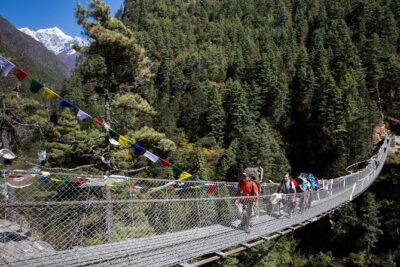
Everest Base Camp Trek 12 Days – Best Himalayan Adventure
Read our review →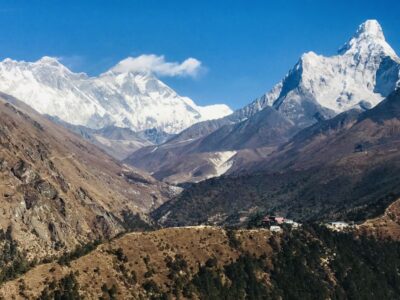
Browse the lists this tour appears in